
TL;DR:
- Preparation, set, and setting are crucial for safe and meaningful psilocybin experiences. Choosing quality products and proper dosage enhances safety and predictability. Post-experience integration, including therapy and reflection, is essential for lasting mental wellness benefits.
Magic mushrooms can genuinely support mental wellness, but the gap between a powerful, positive experience and a difficult one often comes down to preparation. 70-80% of trip outcomes are shaped by mindset and environment before you ever take a single dose. For Ann Arbor residents exploring psilocybin, the three biggest concerns tend to be safety, product quality, and what to do after the experience ends. This guide covers all three, with a practical checklist, evidence-backed dosage data, and honest guidance on integration so you can make informed choices every step of the way.
Table of Contents
- Preparation essentials: Set, setting, and intentions
- Choosing quality magic mushroom products in Ann Arbor
- Safe consumption practices: Dosage, combination, and monitoring
- Integration for lasting wellness: Post-experience support and therapy
- Our take: What most guides miss about psilocybin wellness
- Next steps: Explore quality mushroom products for your wellness journey
- Frequently asked questions
Key Takeaways
| Point | Details |
|---|---|
| Preparation matters most | Positive mindset, safe setting, and intention-setting predict trip outcomes and reduce risks. |
| Choose quality products | Stick to reputable, tested mushroom products available locally in Ann Arbor for safety. |
| Practice safe consumption | Follow dosage guidelines, monitor your experience, and avoid mixing with risky substances. |
| Integrate for lasting results | Journaling, therapy, and peer support maximize mental wellness improvements after use. |
| Consult local resources | Ann Arbor therapists and community groups offer evidence-based integration and support. |
Preparation essentials: Set, setting, and intentions
If you only take one thing from this entire article, make it this: preparation is not optional. Set and setting predict 70-80% of how a psilocybin experience unfolds. “Set” refers to your mindset going in, and “setting” refers to your physical and social environment. Get both right, and you dramatically increase the odds of a meaningful, safe experience. Get them wrong, and even a modest dose can feel overwhelming.
Here are the core preparation steps to follow before any psilocybin session:
- Clear your schedule. Plan for a full day with no obligations, stress, or interruptions. A rushed mindset is one of the fastest routes to a difficult experience.
- Choose a safe, familiar space. Your home or a trusted friend’s space works well. Avoid crowded or unpredictable environments.
- Set a clear intention. Ask yourself what you’re hoping to explore or work through. Writing this down beforehand helps anchor your experience.
- Avoid alcohol and stimulants for 24 hours prior. These substances interfere with psilocybin’s effects and can increase anxiety during the session.
- Review safe consumption steps ahead of time so nothing catches you off guard.
Pro Tip: Choose a sitter you genuinely trust, not just someone who is available. Your sitter should be sober, calm, and familiar with psilocybin’s effects. Their energy directly shapes your sense of safety during the experience.
Most difficult trips are not random. They are predictable and preventable with proper preparation. Skipping this step is the single biggest mistake first-time users make.
Recent psilocybin safety research continues to support the idea that harm reduction starts well before the dose is taken. Spending even one hour on intentional preparation can shift the entire arc of your experience.
Choosing quality magic mushroom products in Ann Arbor
Once you’re prepared, it’s time to select a product that aligns with your wellness goals. Not all psilocybin products are the same, and understanding your options makes a real difference in how predictable and manageable your experience will be.
The four most common product formats you’ll encounter are dried mushrooms, chocolate bars, capsules, and gummies. Each has distinct trade-offs worth knowing.
| Product type | Potency control | Onset time | Taste/ease of use | Best for |
|---|---|---|---|---|
| Dried mushrooms | Moderate | 30-60 min | Acquired taste | Experienced users |
| Chocolate bars | Moderate | 30-45 min | Easy | Beginners and casual use |
| Capsules | High | 45-75 min | Tasteless | Microdosing and precision |
| Gummies | Moderate | 20-40 min | Easy | Social or light sessions |
For a deeper look at how dried vs chocolate psilocybin products compare in terms of safety and experience, that breakdown is worth reading before you decide.
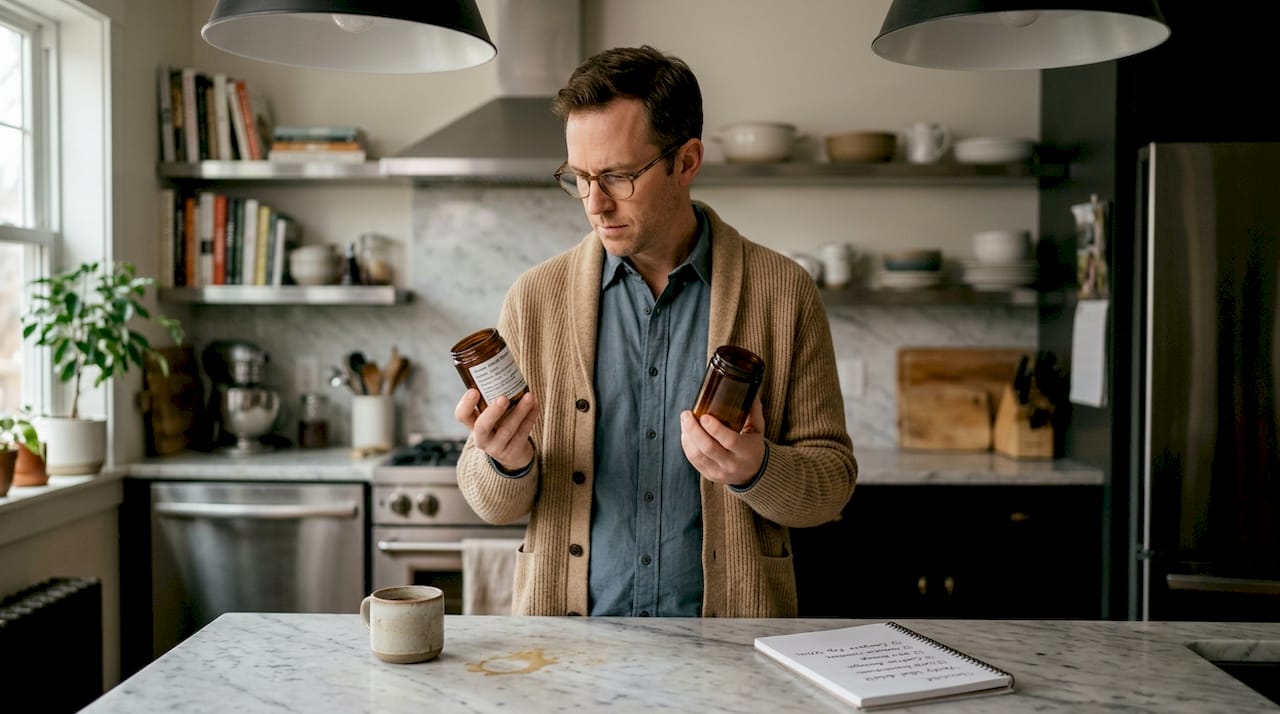
Signs of a quality product include consistent labeling with strain and dose information, clear sourcing, and a reputable local seller with knowledgeable staff. Red flags include unlabeled packaging, vague potency claims, and products sold without any guidance or context.
It’s also worth knowing that no licensed psilocybin services currently operate in Ann Arbor, which means the responsibility for safe sourcing falls on you as the consumer. Buying from a trusted local shop with real expertise matters more here than in a fully regulated market.
If you’re curious about alternatives to psilocybin, the amanita muscaria overview covers a distinct mushroom with very different effects and legal status. It’s not a substitute for psilocybin, but it’s relevant context for anyone exploring the broader mushroom wellness space.
For integration support, connecting with an Ann Arbor integrative therapist who understands psychedelic experiences can make a significant difference, especially if you’re working through specific mental health goals.
Safe consumption practices: Dosage, combination, and monitoring
With your product selected, let’s ensure you follow the safest protocols possible during your experience. Dosage is where most beginners go wrong, usually by taking too much too fast.
Here’s a practical reference for standard dose ranges and their typical outcomes:
| Dose level | Amount (dried) | Typical effects | Recommended for |
|---|---|---|---|
| Microdose | 0.05-0.3g | Subtle mood lift, focus | Daily wellness routines |
| Low | 0.5-1g | Mild perceptual shifts | Beginners, first sessions |
| Moderate | 1-2.5g | Clear psychedelic effects | Experienced users |
| High | 3.5g+ | Intense, full experience | Seasoned users only |
Research on mental wellness outcomes shows a TRD (treatment-resistant depression) response rate of 33% and remission in 22% of cases, with a fibromyalgia pilot study of five participants reporting the protocol was well-tolerated. These numbers are promising but not guarantees.
Here are the numbered steps for safe consumption:
- Start at the lowest effective dose for your experience level.
- Do not redose within the same session unless you are experienced and have planned for it.
- Have water, fruit, and a light blanket nearby for comfort.
- Keep your phone accessible but put it on silent to minimize distractions.
- Stay in your planned environment for the full duration of the experience.
Pro Tip: Never mix psilocybin with alcohol, stimulants, or antidepressants, especially SSRIs or MAOIs. The combination can reduce effectiveness, increase anxiety, or in the case of MAOIs, create serious health risks.
Known risks include transient increases in blood pressure and heart rate, difficult trips occurring in 10-39% of sessions, and rare cases of HPPD (hallucinogen persisting perception disorder). These risks are manageable with proper preparation but should not be ignored. Our Michigan psilocybin guide and top mushroom strains breakdown are useful resources as you plan your approach.
Integration for lasting wellness: Post-experience support and therapy
After your experience, it’s crucial to integrate your insights and support your ongoing mental wellness. The experience itself is only part of the process. What you do in the days and weeks following shapes how much lasting benefit you actually carry forward.
Effective integration strategies include:
- Journaling within 24 hours. Write down everything you remember, including emotions, images, and any insights that surfaced. This anchors the experience while it’s still fresh.
- Therapy with a psychedelic-informed counselor. A therapist familiar with psilocybin can help you interpret and apply what came up during your session.
- Group support or community. Ann Arbor has a thoughtful, open-minded community around wellness and consciousness. Connecting with others who share your interests provides grounding and perspective.
- Rest and gentle activity. Avoid intense social obligations or stressful work for at least 24-48 hours after a moderate or high dose session.
- Revisit your intention. Go back to what you wrote before the experience and reflect on what shifted.
Integration is where the real work happens. The experience opens a door, but integration is how you walk through it and stay there.
Integration via journaling and therapy post-experience is consistently cited in clinical literature as a key factor in lasting positive outcomes. And benefits are maximized when therapy and structured integration are part of the process from the start, not added as an afterthought.
It’s also worth being honest about risks of repeated use over time. Long-term data is still limited, and responsible self-evaluation matters. Our mental wellness checklist is a practical tool for ongoing self-monitoring between sessions.
Our take: What most guides miss about psilocybin wellness
Most psilocybin guides stop at dosage and setting. They hand you a checklist and call it harm reduction. What they consistently skip is the harder conversation: without integration and ongoing support, even a profound experience tends to fade back into old patterns within weeks.
We’ve seen this play out repeatedly in our Ann Arbor community. Someone has a genuinely moving experience, feels changed for a few days, and then life reasserts itself. The insight doesn’t stick because there was no structure to hold it.
Psychotherapy is essential for both efficacy and safety, especially for anyone working through depression, anxiety, or trauma. That’s not a suggestion. It’s what the evidence keeps pointing to.
Ann Arbor’s community is genuinely one of its strengths here. This city has always supported alternative wellness approaches, and there are real people nearby who understand this work. Use them. And if you’re exploring magic mushrooms for focus or productivity rather than deep therapeutic work, the integration principles still apply. Long-term data is still developing, so stay curious, stay honest with yourself, and keep evaluating.
Next steps: Explore quality mushroom products for your wellness journey
Armed with evidence-based wellness tips, the next step is finding products you can actually trust. At Elevated Remedies, we carry a carefully selected range of psilocybin products right here in Ann Arbor, sourced for quality and consistency.
Whether you’re looking for a mushroom chocolate bar for an approachable first experience, mushroom capsules for precise microdosing, or you want to learn more about amanita muscaria as an alternative, our team at 1123 Broadway St is here to help you find the right fit. We don’t just sell products. We help you make informed decisions so your wellness journey starts on solid ground. Come in and talk to us.
Frequently asked questions
What is the safest way to start with magic mushrooms?
Prepare with a positive mindset, a comfortable and familiar environment, and a sober trusted sitter. Set and setting predict 70-80% of outcomes, so start low, go slow, and plan for integration afterward.
Are magic mushrooms legal or regulated in Ann Arbor?
Psilocybin is decriminalized in Ann Arbor but not fully legal, and no licensed psilocybin services currently operate in the city. Local therapists and community resources are available for integration support.
Which conditions may psilocybin help with for mental wellness?
Research shows meaningful reductions in depression, anxiety, and PTSD with psilocybin-assisted therapy, along with promising early pilot data for fibromyalgia and OCD.
What are the key risks and contraindications before taking magic mushrooms?
Avoid psilocybin if you or a close family member has a history of psychosis, schizophrenia, or bipolar I. Contraindications also include uncontrolled hypertension, epilepsy, lithium or MAOI use, and pregnancy.
How can therapy and integration maximize the benefits of magic mushrooms?
Integration through journaling and therapy post-experience is one of the strongest predictors of lasting positive change. Group support and structured reflection help translate insights into real, sustained shifts in mental wellness.
Recommended
- Magic mushroom consumption: Safe steps for Ann Arbor users – Elevated Remedies
- Michigan guide: psilocybin product examples & safe use – Elevated Remedies
- Magic mushrooms for focus: What Michigan residents need to know – Elevated Remedies
- Magic mushroom strains: Effects, potency & top picks – Elevated Remedies
- Quadro svampe-Mix. 4-svampe – Cannaone CBD olie