
TL;DR:
- Mushroom potency varies up to sixfold within the same strain depending on growing conditions.
- Lab-tested products with known alkaloid profiles ensure safer, more predictable experiences.
- Strain marketing claims are often overstated; actual effects depend mainly on potency and environment.
Imagine buying two bags of the same mushroom strain and getting wildly different experiences from each. That’s not a fluke. Alkaloid content can vary up to sixfold within the same strain depending on how it was grown. For anyone in Michigan exploring psilocybin for wellness, microdosing, or personal growth, this variability isn’t just interesting trivia. It’s the difference between a gentle, focused afternoon and an unexpectedly intense journey. This guide breaks down what drives those differences, which strains stand out in real lab data, and how you can use that knowledge to make smarter, safer choices every time.
Table of Contents
- Why potency and profile matter in magic mushrooms
- What really influences mushroom effects: Strain, environment, or hype?
- Safety, dosing, and therapeutic impact: Why comparison is essential
- Making informed choices: Tools, competitions, and Michigan considerations
- Our take: Data-driven choices are the future of mushroom exploration
- Where to start your journey: Lab-tested mushroom products in Michigan
- Frequently asked questions
Key Takeaways
| Point | Details |
|---|---|
| Potency varies widely | The same magic mushroom strain can exhibit over six times difference in active compounds, making comparison vital. |
| Testing beats hype | Lab-verified potency and chemistry should guide your choices, not marketing claims or strain myths. |
| Comparison boosts safety | Selecting strains based on actual data ensures safer dosing and better outcomes for wellness and microdosing. |
| Michigan users need caution | State residents should favor reputable, tested sources and products for legal and therapeutic safety. |
Why potency and profile matter in magic mushrooms
Not all magic mushrooms hit the same. Even two samples from the same strain, grown in different conditions, can produce very different effects. That’s because the active compounds in psilocybin mushrooms go beyond just psilocybin itself. Minor alkaloids like psilocin, baeocystin, and norbaeocystin also play a role in shaping your experience, and their concentrations shift depending on genetics, growing environment, and even harvest timing.
When you compare psilocybin mushroom strains, you’re really comparing chemical fingerprints. A strain high in total alkaloids will generally produce more intense, longer-lasting effects. A strain with a more moderate profile might feel cleaner or easier to manage, which matters a lot if you’re microdosing or using mushrooms for focus and mental clarity.
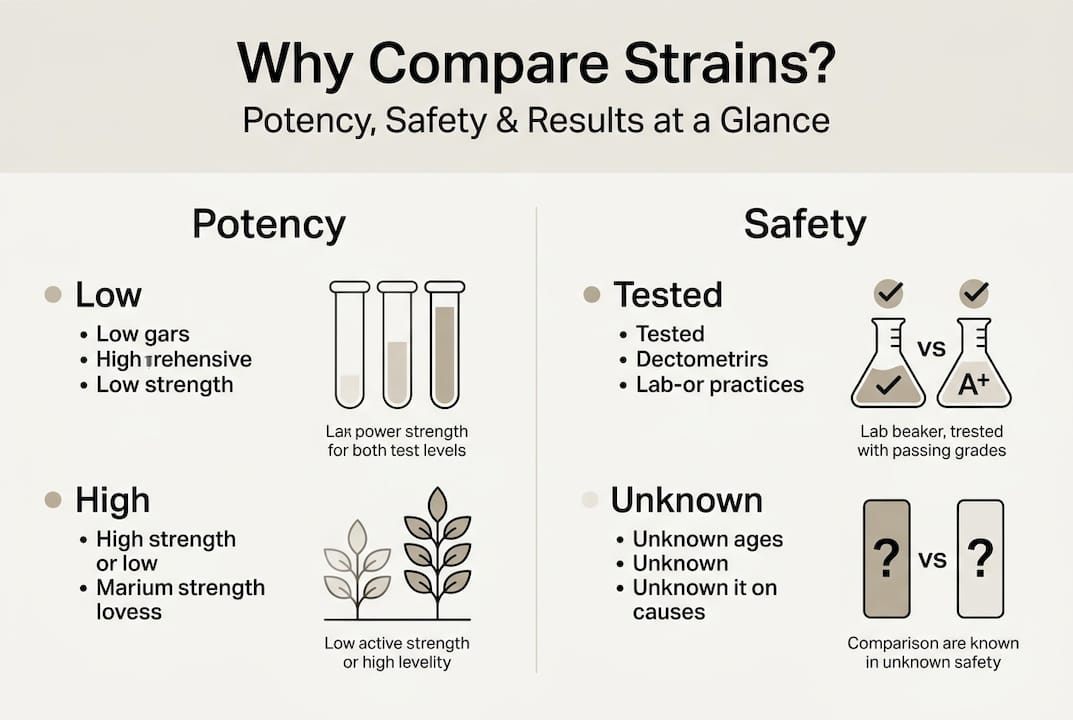
Real data backs this up. Psilocybin Cup results show Tidal Wave testing at 3.82% total alkaloids, Enigma at 3.76%, and Golden Teacher landing in the 1.5 to 2.0% range. That’s a massive gap. And metabolomic studies analyzing 42 psilocybin-producing strains confirm that each species has a unique chemical cluster, meaning the full alkaloid picture varies far more than most people realize.
| Strain | Avg. total alkaloids | General effect profile |
|---|---|---|
| Tidal Wave | ~3.82% | Intense, visual, long-lasting |
| Enigma | ~3.76% | Deep, introspective |
| Penis Envy | ~2.5–3.5% | Potent, euphoric |
| Golden Teacher | ~1.5–2.0% | Moderate, clear-headed |
| B+ | ~1.0–1.8% | Gentle, social, beginner-friendly |
Why does this matter for you? Because choosing a strain without knowing its potency is like taking medication without checking the dose. The effects are real, and the differences are measurable.
Pro Tip: When shopping for mushroom products, look for strains with documented potency data rather than relying on reputation alone. Lab-tested products take the guesswork out of your experience.
What really influences mushroom effects: Strain, environment, or hype?
Here’s something the mushroom community doesn’t always say out loud: a lot of strain “personalities” are marketing. The idea that one strain makes you creative while another makes you spiritual is appealing, but the science tells a more complicated story.
“Strain effects are often overhyped. Potency and environment dominate over so-called strain personalities. Empirical data shows probabilistic, not deterministic differences between strains.” — Tripsitter analysis
What actually shapes your experience? Genetics set the ceiling, but environment determines how close you get to it. Cultivation factors like substrate composition, temperature, humidity, and harvest timing can alter alkaloid content by up to six times within the exact same strain. That’s enormous.
So how do you cut through the noise? Follow this process:
- Start with lab data. Look for strains or products that have been tested using HPLC or LC-MS/MS methods. These give you actual alkaloid percentages, not guesses.
- Check competition results. Events like the Psilocybin Cup measure real-world samples from real growers, giving you benchmarks that matter.
- Ignore vague descriptors. Words like “euphoric” or “spiritual” mean nothing without potency context. A low-dose session of any strain can feel gentle. A high-dose session of any strain can feel overwhelming.
- Factor in your set and setting. Your mindset, environment, and intentions shape the experience as much as the mushroom itself.
- Consult a psilocybin safe use guide before trying a new strain, especially if you’re newer to this.
Using a mental wellness checklist before each session is also a smart habit. It keeps you grounded and intentional rather than reactive.
Pro Tip: If a product makes bold claims about specific emotional effects without mentioning potency or testing, treat that as a red flag. Transparency is the mark of a trustworthy source.
Safety, dosing, and therapeutic impact: Why comparison is essential
Dosing a high-potency strain the same way you’d dose a beginner-friendly one is one of the most common mistakes people make. And it’s completely avoidable with the right information.

LC-MS/MS lab testing now makes it possible to measure exact alkaloid concentrations in any mushroom sample. This is a game-changer for therapeutic use, where consistent dosing isn’t just a preference. It’s a safety requirement.
Consider the difference between strains:
- Penis Envy is noted for exceptional potency, meaning a standard 1-gram dose hits significantly harder than 1 gram of B+
- B+ is known for resilience and a gentler profile, making it more forgiving for newer users
- Golden Teacher sits in the middle, offering a predictable experience that many people use for therapeutic exploration
- Tidal Wave and Enigma are best reserved for experienced users who know their tolerance well
| Strain | Avg. potency range | Suggested starting dose |
|---|---|---|
| B+ | 1.0–1.8% | 1.5–2g |
| Golden Teacher | 1.5–2.0% | 1–1.5g |
| Penis Envy | 2.5–3.5% | 0.5–1g |
| Tidal Wave | ~3.82% | 0.5g or less |
For microdosing, potency comparison becomes even more critical. A microdose is typically 0.1 to 0.3 grams. With a high-potency strain, even small variations in weight can push you past sub-perceptual into noticeable territory. That’s why mushroom capsules with pre-measured doses are so useful. They remove the measurement variable entirely.
For anyone exploring psilocybin for therapeutic reasons, like managing anxiety, processing trauma, or addressing chronic pain, consistency is everything. You can’t track what’s working if the potency shifts batch to batch. Exploring safer psilocybin options that prioritize testing and consistency is a smart first step.
Pro Tip: Always ask whether a product has been third-party tested before purchasing it for therapeutic or microdosing purposes. Batch-to-batch consistency matters more than brand reputation alone.
Making informed choices: Tools, competitions, and Michigan considerations
You don’t have to be a chemist to make data-driven decisions about mushroom strains. The tools are out there, and they’re more accessible than most people think.
Lab analysis using HPLC (high-performance liquid chromatography) and LC-MS/MS (liquid chromatography with mass spectrometry) gives you the most accurate picture of what’s in a mushroom sample. These methods measure not just psilocybin, but the full alkaloid spectrum, including minor compounds that influence the overall effect. Metabolomic profiling takes this even further, mapping the entire chemical fingerprint of a strain.
Competitions like the Psilocybin Cup and the Colorado 2025 Psychedelic Cup serve as real-world benchmarks. They test samples submitted by growers and rank them by potency and alkaloid profile. Norpsilocin, a minor alkaloid that’s been linked to unique effects, was first spotlighted through competition testing. These events reveal what’s actually possible in terms of potency and chemical diversity.
For Michigan users, here’s a practical checklist when comparing strains or products:
- Look for third-party lab testing. Ideally from an accredited lab using HPLC or LC-MS/MS methods
- Check for batch-specific results. A single test from six months ago doesn’t tell you about today’s product
- Ask about cultivation practices. Substrate, temperature, and humidity all affect final potency
- Cross-reference with competition data. If a strain has placed in a recognized competition, that’s a meaningful data point
- Start low with any new product. Even if you know the strain, a new batch can behave differently
- Use resources like this safe mushroom consumption guide to build a responsible framework around your choices
Michigan’s culture around psilocybin is evolving quickly. Ann Arbor has long been a city that values informed, progressive thinking. Applying that same mindset to mushroom selection puts you ahead of the curve.
Our take: Data-driven choices are the future of mushroom exploration
We’ve watched the mushroom conversation in Michigan shift over the past few years, and one thing stands out: the people who get the most out of their experiences are the ones who treat strain selection like a decision worth researching, not a vibe-based guess.
Most strain lore is noise. The idea that one strain is “for creativity” and another is “for healing” flattens a much more nuanced reality. What actually matters is total potency, alkaloid profile, cultivation quality, and your own baseline. Those are measurable. Lore is not.
We believe Michigan is positioned to lead on this. Ann Arbor already has a culture of curiosity and critical thinking. Applying that to psilocybin exploration means asking better questions, demanding tested products, and treating every session as something worth preparing for. Our magic mushroom focus guide is a good starting point for building that mindset. The future of mushroom exploration isn’t mystical. It’s measured.
Where to start your journey: Lab-tested mushroom products in Michigan
If this guide has shown you anything, it’s that the strain you choose and the quality of that product matters more than most people assume. At Elevated Remedies in Ann Arbor, we carry products sourced for consistency and quality, so you’re not guessing about what you’re getting.
Whether you’re starting with a mushroom chocolate bar for a more approachable experience, using mushroom capsules for precise microdosing, or exploring mushroom gummies as a gentler introduction, we can help you find the right fit. Stop by 1123 Broadway St in Ann Arbor, and let’s talk through your options together.
Frequently asked questions
How much do mushroom strains really vary in potency?
Potency can differ by more than sixfold between samples of the same strain, driven by genetics, substrate, temperature, and humidity. This makes knowing your source and batch critical before dosing.
Are some mushroom strains safer or better for microdosing?
Safer microdosing comes down to lab-tested potency, not strain reputation. A strain with consistent, measured alkaloid content is always a better choice than one with an impressive name but no data behind it.
What tools can Michigan users rely on for comparing mushroom strains?
Look for products tested by accredited labs using HPLC or LC-MS/MS, and cross-reference with results from competitions like the Psilocybin Cup, which provide real-world potency benchmarks across popular strains.
Do certain strains offer unique mental or therapeutic effects?
Minor alkaloids and metabolite diversity do exist across strains, but most meaningful therapeutic differences trace back to total potency and batch consistency rather than any specific strain personality.
Recommended
- Magic mushroom strains: Effects, potency & top picks – Elevated Remedies
- Dried mushrooms vs chocolates: safer psilocybin in 2026 – Elevated Remedies
- Michigan guide: psilocybin product examples & safe use – Elevated Remedies
- Magic mushrooms for focus: What Michigan residents need to know – Elevated Remedies
- Quadro svampe-Mix. 4-svampe – Cannaone CBD olie