
A cold start dab means loading concentrate into a room-temperature banger and heating it gradually until it melts and vaporizes, instead of blasting a hot nail and waiting for it to cool. The reverse order matters because terpenes break down fast at high heat, so cold starting is the most reliable way to keep a dab tasting like the strain it came from. This guide covers the tools, the exact steps, and the trade-offs so you can run it at home.
TL;DR:
- Cold starting preserves terpenes better than hot or low-temp hot starts because it gradually heats the concentrate, avoiding a heat spike.
- Using a round-bottom quartz banger, a directional carb cap, and a controllable torch enhances even heating and vaporization during a cold start session.
- Small loads of concentrate and slow, circular torch movement prevent overheating and ensure full vaporization in a cold start dab.
- Visual cues like small bubbles and wispy vapor indicate readiness, making this method easier and more forgiving for beginners.
- Despite requiring more time and gentle technique, cold starting provides a smoother, flavor-rich experience compared to other dabbing methods.
Table of Contents
- What Is a Cold Start Dab and How Is It Different?
- What Tools Do You Actually Need?
- How Do You Cold Start a Dab, Step by Step?
- Cold Start vs. Low-Temp vs. Hot Dabs: What’s Actually Better?
- What Mistakes Should You Watch For?
- What Do Shop-Tested Notes Say About Cold Starting?
- Is Cold Starting Actually Worth the Extra Effort?
- Ready to Build Your Cold Start Setup?
- Sources
What Is a Cold Start Dab and How Is It Different?
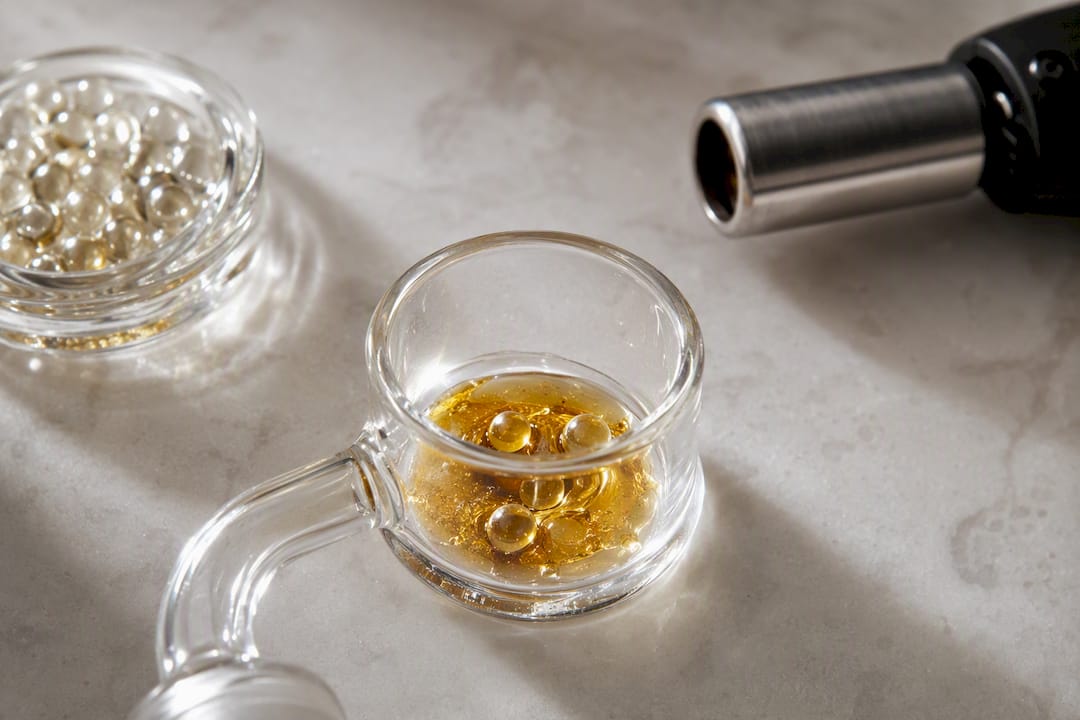
A cold start, also called a reverse dab, flips the usual order of operations. Instead of torching the banger until it glows and letting it cool to a target temperature, you place the concentrate in a cold quartz banger first, cap it, and apply heat gradually until the oil starts to melt and bubble. That gradual ramp is the whole point. Terpenes degrade quickly at high, sustained temperatures, so heating slowly from zero gives you more control over how hot the concentrate actually gets before it vaporizes.
Compare that to the two other common approaches:
- Hot start: torch the banger to near-glowing, let it rest 30 to 60 seconds, then drop in the concentrate. Fast, but it hits the oil with a heat spike that can singe terpenes on contact.
- Low-temp hot start: same hot-first order, but with a longer cool-down and often a thermometer gun to hit a specific target range.
- Cold start: load first, heat gradually, judge readiness by sight rather than a timer.
The visual cue you’re watching for is simple: small bubbles forming in the concentrate and thin, wispy vapor rising off the surface. That’s the moment to inhale, not a rolling boil.
What Tools Do You Actually Need?
Hardware choice matters more for cold starts than for hot starts, because you’re relying on the banger’s shape and material to distribute heat evenly instead of just cranking a torch and hoping.
- Quartz banger, round bottom preferred. Round-bottom quartz lets the concentrate pool in the lowest point so it heats as one mass instead of scorching in thin spots. A flat-bottom banger works, but you’ll fight uneven melting more often.
- Carb cap with directional airflow. A cap that channels air across the concentrate as it melts helps everything vaporize at once, rather than leaving unmelted oil stuck to the sides.
- Butane torch with a controllable flame. You want a steady, medium flame, not a roaring jet. A cheap single-flame torch can work, but a torch you can dial down gives you finer control over how fast the banger heats.
- Concentrate with the right texture. Shatter, sauce, rosin, and diamonds all cold start well. Extremely runny sauce or badder can pool unevenly, so smaller loads help.
- Cleaning supplies. Cotton swabs, isopropyl alcohol, and a dab tool for scraping. If you dab often, a reclaim catcher saves you from scrubbing melted residue out of the joint every session.
Pro Tip: Keep your torch moving in slow circles around the base of the banger rather than holding it in one spot. A static flame creates a hot point that melts one side of your dab before the rest catches up.
If you’re still assembling a rig from scratch, a beginner’s guide to dab rig components covers the joint sizes and banger fits you’ll need to match before buying a carb cap.
How Do You Cold Start a Dab, Step by Step?
Once your gear is assembled, the actual technique takes under two minutes from load to exhale.
Preparation:
- Wipe down the banger with a cotton swab and isopropyl alcohol if there’s any leftover residue from the last session.
- Set your dab tool, carb cap, and torch within reach so you’re not fumbling mid-heat.
- Load a small amount of concentrate directly into the bottom of the cold banger using your dab tool.
Heating and inhaling: 4. Place the carb cap over the joint (this can go on before or right as you start heating, depending on your cap style). 5. Apply the torch in slow, circular motions around the outside base of the banger, keeping the flame a couple inches away rather than pressed directly against the quartz. 6. Watch for small bubbles and a thin haze of vapor. That’s your signal to start inhaling. 7. Rotate the carb cap slightly as you pull to redirect airflow and vaporize any concentrate still clinging to the sides. 8. Take two or three shorter pulls rather than one long drag. Cold start concentrate keeps vaporizing gradually, so multiple smaller hits usually extract more flavor than one big one. 9. Stop applying heat once the oil is fully melted and mostly vaporized. There’s no need to keep torching a banger that’s already done its job.
A full beginner dabbing walkthrough is worth a look if this is your first time handling a torch and rig together.
Terp pearls or other inserts change the timing slightly. They roll around the banger as you heat it, spreading concentrate across a larger surface and often speeding up how fast you see that first bubble. If you’re using pearls, expect to reach the vapor stage a bit sooner than with a bare banger.
Cold Start vs. Low-Temp vs. Hot Dabs: What’s Actually Better?
None of the three methods is objectively superior. Each solves a different problem.
Cold start wins clearly on flavor. Because the concentrate never sees a heat spike, terpenes survive largely intact, and community discussion around cold starting consistently backs this up, with dabbers describing it as more forgiving to dial in than timing a hot nail’s cool-down. It’s also the easiest method for beginners, since you’re reading visual cues instead of guessing at temperature with a stopwatch.
- Cold start: best flavor, most beginner-friendly, but sessions tend to run longer since you’re taking several smaller hits instead of one big pull.
- Low-temp hot start: similar flavor benefits to cold start, but requires more precise timing and often a thermometer, which adds a learning curve.
- Hot start: fastest and delivers the biggest single hit, useful when you want maximum effect quickly rather than a slow, flavor-forward session.
If you’re hosting friends and want quick single hits passed around, hot start still has its place. If you’re dabbing alone and actually want to taste what you paid for, cold start is the better call.
What Mistakes Should You Watch For?
Most cold start problems trace back to one of a handful of habits.
- Overloading the banger. A dab bigger than a grain of rice often won’t fully vaporize before the banger overheats, leaving waste stuck to the quartz.
- Torching too aggressively. If you see the concentrate start smoking heavily or turning dark, you’ve overheated it. Pull the torch back and let it coast for a few seconds.
- Never rotating the carb cap. A static cap position leaves pockets of unvaporized oil on one side of the banger. Small rotations during the pull fix this.
- Skipping cleaning between sessions. Built-up reclaim insulates the quartz unevenly, which throws off your heating time on the next dab.
- Using a torch indoors without ventilation. Butane combustion needs airflow. Crack a window or run a fan, especially in a small room.
Pro Tip: If your dabs are tasting burnt even with a slow heat, check your banger for a buildup of dark reclaim. Old residue overheats faster than clean quartz and skews your timing without you realizing it.
What Do Shop-Tested Notes Say About Cold Starting?
Juiced’s testing notes at Elevated Remedies come from actually running gear side by side, not just reading spec sheets. A few things held up across repeated sessions:
- Recycler rigs paired with cold start technique produced noticeably smoother pulls, since the recycling action cools vapor before it hits your throat.
- A reclaim catcher cut cleaning time dramatically after roughly two weeks of regular use, which matters more for cold start sessions since you’re heating the banger more frequently per session.
- Terp pearls made heat distribution more forgiving for anyone still learning to read the bubble and vapor cues by eye.
For deeper reading on the hardware side, the shop’s guides on recycler rigs and flavor and proper bong and rig cleaning cover ground this article doesn’t have room for.
Is Cold Starting Actually Worth the Extra Effort?
Most guides treat cold starting like a minor flavor upgrade. It’s bigger than that. The technique changes what a dab session actually is, shifting it from one big hit chased by a harsh aftertaste to several smaller pulls that taste like the terpenes are supposed to. That’s not a marginal gain. It’s the difference between tasting your rosin and just tasting heat.
Where conventional advice falls short is the obsession with exact temperatures. Plenty of guides push readers toward thermometer guns and precise degree targets, treating cold starting like a science experiment. In practice, the bubble-and-vapor cue works fine for the overwhelming majority of dabbers, and chasing precision usually just adds anxiety to something that should be simple. Lower-temperature vaporization also tends to produce fewer harsh combustion byproducts than high-heat methods, which lines up with why cold start hits generally feel smoother going down.
If you’re new to this, prioritize the banger shape and carb cap before anything else. Technique matters, but a flat-bottom banger and a cap with no airflow control will sabotage even perfect torch work.
— Juiced
Ready to Build Your Cold Start Setup?
Various smoke shops stock hardware this technique depends on: round-bottom quartz bangers, directional carb caps, and torches you can actually control instead of fighting. If you’ve been cold starting with mismatched gear, or you’re setting up a rig for the first time, some local shops carry pieces sized to fit real setups, not just whatever’s cheapest online.
Beyond dab hardware, Elevated Remedies is also Ann Arbor’s spot for magic mushroom products, including amanita muscaria offerings for anyone curious about exploring beyond concentrates. Whether you’re upgrading your banger or asking questions about microdosing capsules, our team can walk you through what fits your setup. Stop by the shop or check the online catalog to see what’s in stock before your next session.
Sources
- Cold Start Dab - Concentrate explained in a cold banger | EHLE
- PMC article (related respiratory inhalation evidence) | PMC
- Cold Start vs Low-Temp Dabs: Which Is Better? | The Social Cannabis