
Microdosing Amanita muscaria is not supported by rigorous clinical evidence, and the practice carries real, documented risks. The FDA has warned that muscimol and ibotenic acid, the mushroom’s main active compounds, are not generally recognized as safe. Before trying any product, read the risk profile below, check for lab testing, and talk to a doctor if you have any underlying health conditions.
TL;DR:
- Potency varies widely depending on harvest conditions, drying methods, and storage, making consistent dosing of Amanita muscaria impossible without lab verification.
- No peer-reviewed studies support the safety or efficacy of microdosing Amanita muscaria, and subjective benefits are unproven and anecdotal.
- The FDA explicitly states that Amanita muscaria and its constituents are not generally recognized as safe in food products and have no approved therapeutic use.
- Risks include dizziness, hallucinations, seizures, and potentially fatal overdose, with emergency reversal being limited and unpredictable.
- Lab testing and clear labeling are critical; products without certificates of analysis or batch-specific data should be treated as highly uncertain in potency and safety.
Table of Contents
- Amanita muscaria chemistry and how its alkaloids affect people
- What microdosing Amanita looks like in practice and the evidence gap
- Documented harms and clinical case reports
- Dosing and preparation: why home protocols are unreliable and dangerous
- Regulatory and safety status: FDA alerts, warning letters, and practical implications
- Harm reduction: concrete steps, packaging red flags, and when to seek help
- Elevated Remedies’ practical checks: what to look for on product pages and labels
- Comparison of Amanita microdosing effects with classic psychedelics microdosing
- Reported subjective effects and potential benefits from Amanita microdosing
- Traditional and cultural uses of Amanita muscaria relevant to microdosing context
- What the evidence gap really means for curious readers
- Where Elevated Remedies fits if you’re exploring mushroom products
- Sources
- FAQ
Amanita muscaria chemistry and how its alkaloids affect people
Amanita muscaria contains three compounds that drive nearly everything people feel, or suffer, after using it. Muscimol is the primary psychoactive alkaloid. It acts on GABA-A receptors in the brain, the same system targeted by sedatives, producing the sedation, dreamlike states, and mild euphoria users often describe. Ibotenic acid is muscimol’s precursor and a different animal entirely: it acts on glutamate receptors and behaves as an excitatory neurotoxin, linked to the agitation, confusion, and seizure-like activity seen in more severe cases. Muscarine, present in smaller and more variable amounts, stimulates cholinergic receptors and can cause sweating, salivation, and gastrointestinal distress when concentrations run high.
The balance between muscimol and ibotenic acid is not fixed. Drying, heat, and time shift ibotenic acid toward muscimol through decarboxylation, which is part of why dried Amanita is generally considered gentler than raw. But that conversion is inconsistent outside a lab setting, meaning two servings from the same mushroom can produce meaningfully different experiences.
Reported onset and duration also vary widely, but a few patterns show up repeatedly in case literature and user reports:
- Effects often begin 30 to 90 minutes after ingestion, slower than most classic psychedelics.
- A typical experience runs 4 to 8 hours, with sedation and disorientation more common in the later hours.
- Raw or undried mushroom tends to produce more gastrointestinal and excitatory symptoms than properly dried material.
A single fruiting body can carry a psychoactive dose of muscimol or ibotenic acid, with thresholds for central nervous system disturbance possibly at low milligram levels of muscimol or tens of milligrams of ibotenic acid, according to public-health research on unregulated Amanita sales. That narrow margin, combined with natural variation between mushrooms, is the core reason potency is so hard to predict at home. Season, specimen age, growing conditions, and drying method all shift the ratio of these three alkaloids, so no two batches behave quite the same way.
What microdosing Amanita looks like in practice and the evidence gap
People who microdose Amanita muscaria generally describe low, sub-perceptual doses taken on a repeated schedule, borrowing the framework popularized by classic psychedelic microdosing. Common self-reported patterns include:
- Small capsules or measured portions of dried mushroom taken every few days rather than daily.
- A “one day on, several days off” cycle intended to avoid tolerance buildup.
- Gradual dose increases from a very low starting point, adjusted based on subjective response.
These regimens are descriptive of what people report doing, not a validated protocol. No governing body or clinical guideline endorses a specific dose, frequency, or duration for Amanita microdosing, and the amounts people use vary enormously from one account to the next.
The scientific picture behind these routines is thin. According to a 2025 review of emerging Amanita risks, there are currently no scientifically rigorous, peer-reviewed clinical studies supporting the efficacy or safety of microdosing Amanita muscaria for therapeutic purposes. Reported benefits remain anecdotal and unverified. Preclinical research has examined muscimol’s action on GABAergic pathways, which is genuinely interesting pharmacology, but that work stops well short of establishing that repeated small doses in humans are safe or effective for any wellness or mental health goal. Preclinical signals describe a mechanism in cell or animal models. They do not describe a tested, dosed, monitored outcome in people, and the jump between the two is exactly where most microdosing claims fall apart.
The same review notes that historic and ethnomycological use of Amanita muscaria is often cited to lend the modern practice credibility, but folklore was never designed to deliver consistent, safe dosing. Traditional use happened within specific cultural contexts, with specific preparation knowledge, and without the pressure of commercial products marketed at wide audiences. Treating centuries-old ritual use as evidence for a capsule regimen bought online conflates two very different things.
Until controlled human trials exist, measuring actual doses of muscimol and ibotenic acid against defined outcomes, anyone microdosing Amanita is essentially running an uncontrolled experiment on themselves, using a substance whose potency they cannot verify.
Documented harms and clinical case reports
Amanita muscaria toxicity ranges from mild discomfort to genuine medical emergencies, and the spread between those outcomes is wide enough that no one should assume a small dose is automatically a safe one. Adverse effects documented in clinical literature include:
- Dizziness and sedation, the most commonly reported effects, tied to muscimol’s action on GABA receptors.
- Dysphoria and visual hallucinations, ranging from mild perceptual changes to distressing episodes.
- Agitation and confusion, more often linked to higher ibotenic acid exposure.
- Ataxia, meaning loss of coordination and unsteady movement, reported in multiple case series.
- Seizures, documented in more severe intoxications, particularly involving raw or high-dose material.
- Rare coma and fatality, reported in cases of significant overconsumption or misidentification with more toxic Amanita species.
These are not speculative outcomes. Toxicology literature on unregulated Amanita sales documents this full range of adverse effects and points to a rise in poison control center calls and emergency visits as Amanita products have become more widely available. A separate literature review and case report analysis describes acute Amanita poisoning as a complex toxidrome, meaning it presents with a mix of symptoms across multiple body systems rather than one clean, predictable pattern. Clinicians managing these cases rely on supportive care: monitoring, fluids, and symptom management, because there is no standardized antidote.
That absence of an antidote matters more than it might sound. It means emergency treatment is reactive, not preventive, and outcomes depend heavily on how quickly someone is recognized as having ingested Amanita and how much they consumed. Emergency departments have limited tools for reversing Amanita toxicity once symptoms appear, according to the same clinical review, which is exactly why prevention and accurate labeling matter so much more here than with substances that have a known reversal agent.
Potency variability and mislabeling are recurring threads in these case reports. A product sold as a fixed number of milligrams per gummy or capsule may not reflect what a given batch of mushroom actually contained, particularly when sourcing and testing practices are inconsistent. Someone who has taken the same product without issue for weeks can still encounter a batch with meaningfully higher ibotenic acid content, and the symptoms that follow will not announce themselves as a dosing error. They will look like the toxidrome described above.
Dosing and preparation: why home protocols are unreliable and dangerous
Most home Amanita preparation advice centers on a single idea: boiling or drying the mushroom converts the more toxic ibotenic acid into the gentler muscimol. That is a real chemical process, but it is not as simple as heat alone. Effective conversion depends on controlled acidity, roughly a pH of 2.5 to 3.0, sustained over time. Simple boiling in plain water, without that acidification, often leaves a substantial amount of ibotenic acid intact, meaning the “safer” preparation someone thinks they made may still carry excitatory, neurotoxic potential.
This is one reason gram-based dosing rules circulating online do not hold up. A fixed number of grams tells you almost nothing about the actual muscimol-to-ibotenic-acid ratio inside it. That ratio shifts with:
- Season of harvest, since spring and summer specimens often test higher in active alkaloids than autumn ones.
- Individual specimen variation, even within the same patch or batch.
- Drying method and duration, which affects how much conversion actually occurs.
- Storage conditions, since alkaloid content can degrade or shift over time.
A dose that felt mild last month can behave very differently this month, using mushroom from a different harvest, even if the labeled weight is identical.
Extracts, tinctures, and infused gummies add another layer of uncertainty rather than removing it. Concentrating the mushroom into a liquid or edible form means any inconsistency in the starting material gets carried forward, and sometimes amplified, into the final product. Without third-party lab testing that specifically measures muscimol and ibotenic acid content, a consumer has no reliable way to know what a “dose” actually contains. Self-extraction at home compounds the problem further, since it introduces variables in solvent, temperature, and time that most people have no way to control or verify.

Pro Tip: Treat any Amanita product without a batch-specific certificate of analysis as an unknown dose, regardless of what the label claims.
None of this means every home preparation method is equally risky. It means that without lab verification, “low dose” and “properly processed” are claims, not facts, and the gap between the two is where most documented harm originates.
Regulatory and safety status: FDA alerts, warning letters, and practical implications
The regulatory picture in the United States is more settled than the marketplace suggests. The FDA has stated that Amanita muscaria and its constituents, including muscimol, ibotenic acid, and muscarine, are not Generally Recognized As Safe for use in conventional foods. The agency has warned both manufacturers and consumers about their presence in gummies, capsules, and chocolates specifically.
That is not just a caution. It has legal teeth. In a 2025 warning letter to Blue Forest Farms, the FDA found specific Amanita-containing capsules, tinctures, and chocolate products adulterated under the Federal Food, Drug, and Cosmetic Act.
Products containing Amanita muscaria constituents lack GRAS status and were found to use an unapproved food additive, placing them in violation of federal food safety law.
FDA warning letter, Blue Forest Farms, LLC
“Adulterated” here means a product was found to contain, or be made with, an ingredient not approved for that use, which is a distinct legal issue from the product being labeled correctly or dosed accurately. A few practical takeaways follow directly from this:
- Marketplace availability of a product does not mean it has been reviewed or approved for safety.
- Health or therapeutic claims on Amanita packaging carry no regulatory backing and should be treated skeptically.
- A product being sold openly in a shop does not change its federal food-safety status.
Harm reduction: concrete steps, packaging red flags, and when to seek help
If you are going to encounter or consider an Amanita product, a few concrete habits meaningfully lower your risk, even though they cannot eliminate it.
- Avoid untested or homemade material. Wild-foraged or self-processed Amanita carries the highest uncertainty and the highest documented risk of severe reactions.
- Ask for a certificate of analysis (COA). A legitimate COA should show specific muscimol and ibotenic acid levels for that batch, not a generic product description.
- Skip products with vague or missing batch information. No batch number usually means no way to trace or verify what you consumed if something goes wrong.
- Treat aggressive health claims as a red flag. Language promising therapeutic outcomes without evidence is a marketing signal, not a safety signal.
- Start conservatively and wait. Given the 30 to 90 minute onset window typical of Amanita products, resist the urge to redose early.
Emergency departments have limited reversal options for Amanita poisoning, according to toxicology literature reviewing acute cases, which makes early recognition the single most useful thing you can control. If you or someone else develops confusion, seizures, severe agitation, or loss of coordination after using an Amanita product, contact poison control or emergency services immediately. Bring the product packaging, note the approximate amount consumed and when, and mention Amanita muscaria specifically so providers can anticipate the symptom pattern rather than guess at it.
Elevated Remedies’ practical checks: what to look for on product pages and labels
Not every Amanita product on the market is transparent about what it actually contains, so knowing what to ask for puts you in a stronger position before you buy anything.
A credible product page or label should give you:
- A certificate of analysis showing measured muscimol and ibotenic acid levels for that specific batch, not a general average.
- A batch or lot number you can cross-reference against that COA.
- A description of the extraction or processing method used, since that affects the muscimol-to-ibotenic-acid ratio.
- Clear dosing information per unit, stated in milligrams of active compound, not just total mushroom weight.
If a seller cannot answer basic questions, such as which lab tested the batch, when it was tested, or how the product was processed, that is worth treating as a gap rather than a formality. Our own Amanita muscaria safety guide walks through these same six label checks in more detail for readers who want a reference to work from while shopping.
Pro Tip: Save a copy of any COA you’re given at the time of purchase. Sellers change formulations, and a COA from a prior batch tells you nothing about the one in front of you.
Comparison of Amanita microdosing effects with classic psychedelics microdosing
Amanita muscaria and classic psychedelics like psilocybin work through fundamentally different pathways, which is why lumping them into one “microdosing” category is misleading. Muscimol acts on GABA receptors, the brain’s primary inhibitory system, producing sedation and dreamlike states rather than the visual and cognitive shifts associated with serotonergic psychedelics. Psilocybin and similar compounds act on serotonin 2A receptors, a mechanism that has at least been studied in controlled clinical settings, even if microdosing specifically remains under-researched there too.
The practical experience differs accordingly. Amanita microdosing reports lean toward sedation, mild body-heaviness, and cloudy thinking, while classic psychedelic microdosing reports lean toward subtle mood or focus shifts without much sedation. Amanita also carries the added complication of ibotenic acid’s excitatory toxicity, a risk that has no real parallel in classic psychedelic microdosing. Comparing the two side by side, the honest conclusion is that neither has strong clinical backing for microdosing specifically, but Amanita adds a distinct toxicity profile that classic psychedelics do not carry in the same way.
Reported subjective effects and potential benefits from Amanita microdosing
People who report microdosing Amanita muscaria most often describe mild sedation, a sense of calm, lighter sleep changes, and occasional mood lift. Some describe reduced anxiety or a dreamlike mental quality at very low doses, similar in tone to what muscimol’s GABAergic action would predict pharmacologically.
These accounts are consistent with the compound’s known mechanism, but consistency with a mechanism is not the same as proof of benefit. As the emerging risks review notes, reported benefits remain anecdotal and unverified, with no peer-reviewed clinical trial confirming that microdosing produces reliable mental health or wellness outcomes. Anyone reading these subjective reports should treat them as personal accounts, not evidence of a validated effect, especially given how much individual potency varies from one product or batch to the next.
Traditional and cultural uses of Amanita muscaria relevant to microdosing context
Amanita muscaria has a long documented history of ritual and ceremonial use in parts of Siberia and among some Indigenous groups in northern Europe and Asia, where it was consumed in specific, small, culturally guided contexts rather than as a wellness supplement. This history is frequently invoked in modern marketing to lend Amanita microdosing an air of ancient legitimacy.
That framing skips over an important distinction. Traditional use relied on generational knowledge of local specimens, preparation methods passed down within a community, and a completely different social context than a mail-order gummy. The 2025 review of Amanita risks points out that ethnomycological notes exist, but they do not substitute for clinical evidence or standardized testing in today’s commercial market. History can explain why people are curious about this mushroom. It cannot tell you what dose of muscimol is in the product sitting on your counter.
What the evidence gap really means for curious readers
Amanita muscaria’s history is genuinely interesting, and it makes sense that people curious about mushrooms and mental wellness would want to explore it. But curiosity about tradition and confidence in a modern product are two different things, and the current Amanita marketplace does not give consumers the tools to bridge that gap safely.
The honest position is that this substance needs real clinical research, standardized testing requirements, and clearer regulatory guardrails before anyone can respectably call microdosing it a wellness practice rather than an unregulated gamble. Until that research exists, curiosity should translate into caution, not into a home dosing routine built on forum advice and inconsistent labeling.
If you have a mental health condition, take medication, or are otherwise unsure whether any mushroom product is appropriate for you, that question belongs with a doctor, not a product description.
— Juiced
Where Elevated Remedies fits if you’re exploring mushroom products
If you’re going to explore Amanita or psilocybin products at all, the products page you’re looking at should answer the questions this article raises, not dodge them. Elevated Remedies carries Mushroom Gummies, Mushroom Capsules priced at $45.00, and a Mushroom chocolate bar also priced at $45.00, each sourced with batch testing in mind so you have something concrete to check before you buy.
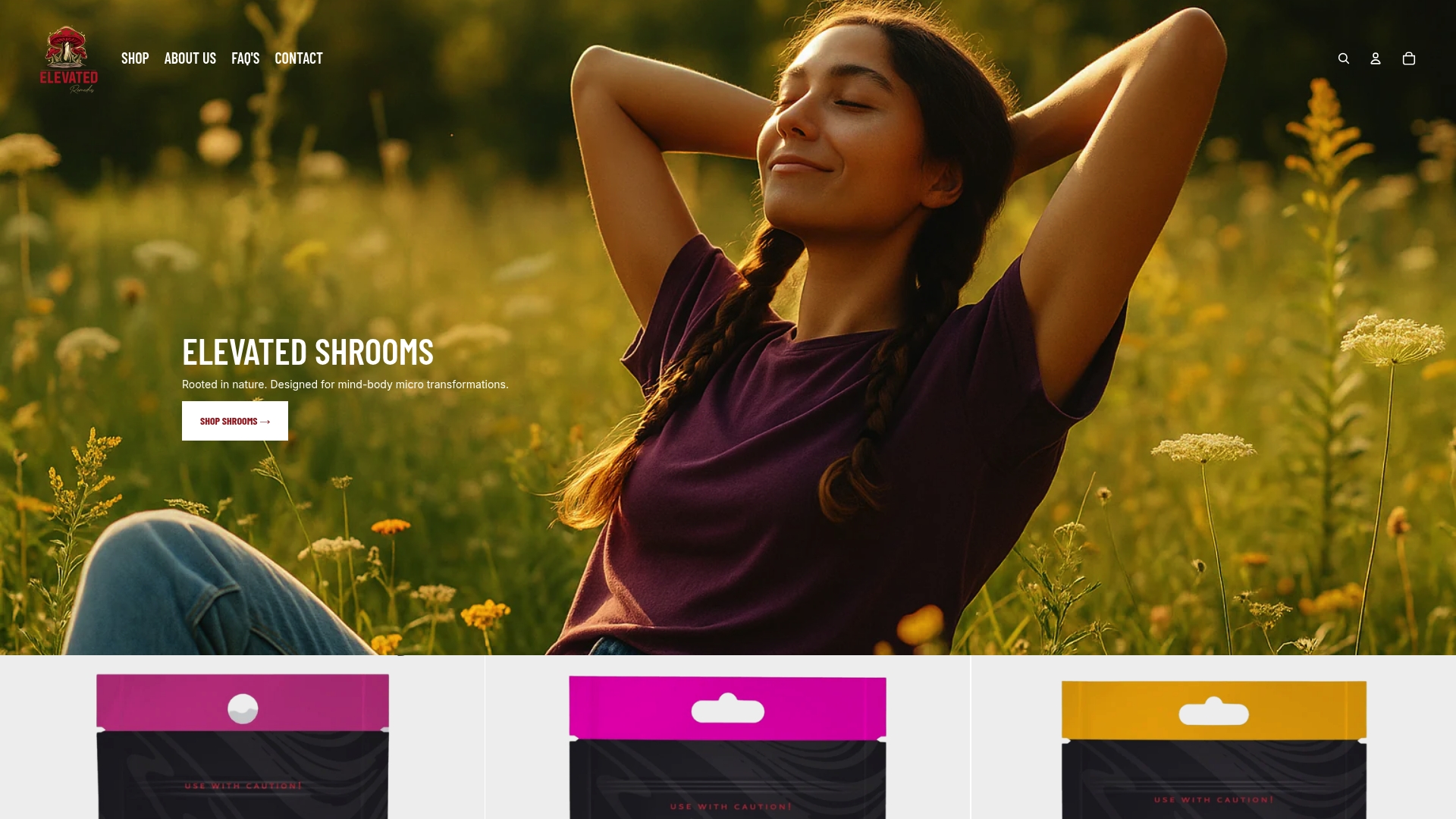
None of that changes the core message here: availability is not the same as safety. Before choosing any product, we’d rather you request a certificate of analysis, start low, and go slow than take a marketing claim at face value. Our product page for Mushroom Capsules lists batch and dosing information you can review directly, and it’s a reasonable place to start if you want to see what a transparent listing actually looks like.
- Mushroom Gummies as a measured, edible format.
- Mushroom Capsules for a precise, low-dose approach.
- Mushroom chocolate bars as an alternative format.
Check availability on the Mushroom Capsules collection before deciding what, if anything, fits your situation.
This article is general information, not a substitute for advice from a qualified doctor. Consult a qualified healthcare professional about your own circumstances before acting on anything here.
Sources
- FDA alerts industry and consumers about the use of Amanita muscaria or its constituents in food
- Emerging Risks of Amanita Muscaria: Case Reports on Increasing Consumption and Health Risks
- Current Issues Need for a Public Health Response to the Unregulated Sales of Amanita muscaria Mushrooms
- Acute Amanita muscaria Toxicity: A Literature Review and Two Case Reports
FAQ
What does an Amanita high feel like?
Users most commonly report sedation, a dreamlike or foggy mental state, and mild euphoria, driven mainly by muscimol’s action on GABA receptors. Higher doses or more ibotenic acid content can shift this toward agitation, confusion, or dizziness instead of calm.
Is it safe to consume Amanita muscaria?
There is no way to call Amanita muscaria safe in an unqualified sense: the FDA has stated that its constituents are not generally recognized as safe for food use. Documented risks include dizziness, hallucinations, seizures, and in rare cases fatality, largely driven by unpredictable potency.
Can you trip off Amanita?
Yes, at higher doses Amanita muscaria can produce visual hallucinations, disorientation, and dissociative effects rather than a typical microdose experience. The line between a mild dose and a strong one is unusually hard to predict given how much alkaloid content varies between specimens.
How long does it take for Amanita muscaria to kick in?
Effects commonly begin 30 to 90 minutes after ingestion, slower than most classic psychedelics, and a full experience often lasts 4 to 8 hours. That delayed onset is part of why redosing too early is a common and risky mistake.