TL;DR:
- Psilocybin disrupts brain networks and promotes neuroplasticity, aiding mental health treatment.
- Clinical research shows full doses can produce long-lasting antidepressant effects, especially for depression.
- Microdosing has limited evidence for cognitive or mood benefits and carries certain safety risks.
Psilocybin has received FDA Breakthrough Therapy designation for depression and PTSD, a regulatory recognition that took decades to come. Yet most people still think of magic mushrooms as little more than a 1960s relic. That gap between public perception and clinical reality is enormous, and it matters. In this guide, we’re breaking down what magic mushrooms actually are, how they work in the brain, what the current research says, what microdosing can and cannot do for you, and how to think about risks if you’re considering psilocybin for wellness.
Table of Contents
- What are magic mushrooms and how do they work?
- Therapeutic potential and clinical research
- Microdosing: protocols, evidence, and limitations
- Risks, safety, and emerging alternatives
- Why the microdosing hype misses the bigger wellness story
- Next steps: Exploring quality magic mushroom products safely
- Frequently asked questions
Key Takeaways
| Point | Details |
|---|---|
| Science-backed therapy | Psilocybin shows strong evidence for depression and PTSD when used in clinical settings. |
| Microdosing limitations | Microdosing is popular but lacks convincing evidence and carries real safety considerations. |
| Safety first | Proper screening for risks and contraindications is critical if considering psilocybin products. |
| Product quality matters | Choosing reputable, tested products is key to a safe and effective experience. |
What are magic mushrooms and how do they work?
Magic mushrooms are fungi that contain psilocybin, the compound your body converts into psilocin once ingested. Psilocin is what actually does the work. It binds primarily to serotonin 5-HT2A receptors in the brain, altering perception, mood, and cognition in ways that are unlike any other substance on the planet. The magic mushrooms history of human use stretches back thousands of years across Indigenous cultures, but modern neuroscience is only now catching up.
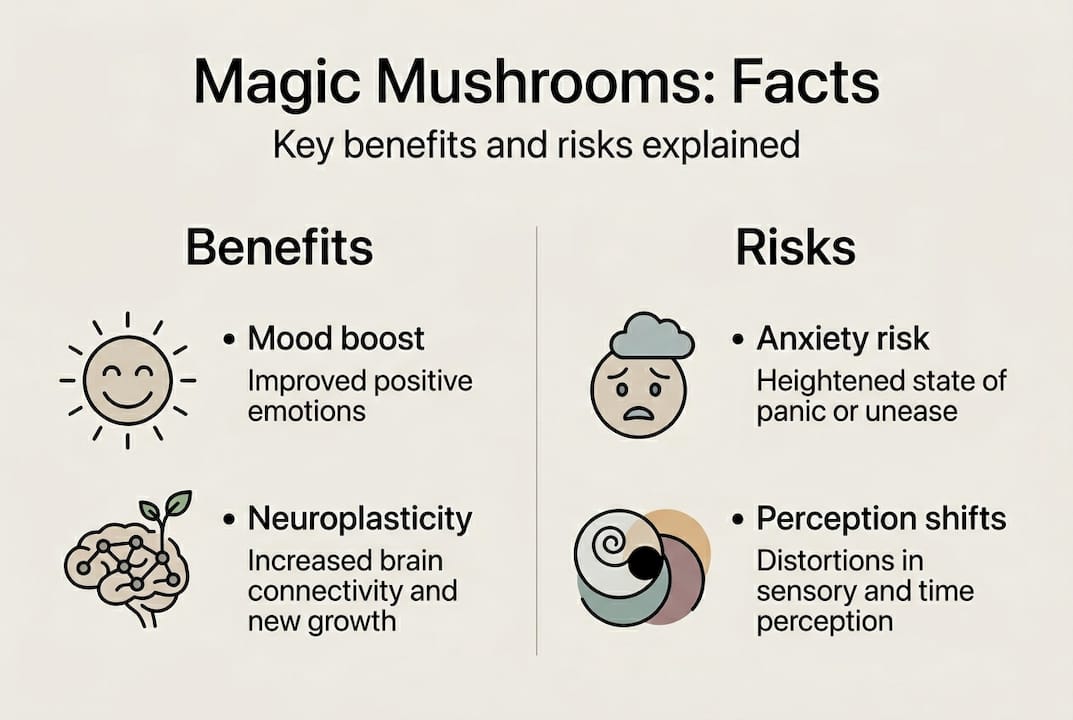
What makes psilocybin fascinating is how it affects brain networks. Rather than simply flooding your brain with serotonin the way antidepressants do over weeks, psilocybin temporarily disrupts rigid communication patterns between brain regions. This disruption appears to promote neuroplasticity, which is your brain’s ability to form new neural connections. Think of it as shaking up a snow globe that’s been sitting still for years. Research confirms that psilocybin is metabolized to psilocin, interacts with serotonin 5-HT2A receptors, and drives neuroplastic changes that may underlie its therapeutic effects.
Here’s what that can look like in practice:
- Altered sense of time and self
- Heightened emotional sensitivity and empathy
- Visual and auditory perception changes
- Feelings of profound connectedness or meaning
- Temporary dissolution of habitual thought patterns
The mainstream science on psilocybin is accelerating fast, with major universities and pharmaceutical companies now racing to understand its full potential. Public interest is following. A growing share of Americans report they would consider psilocybin for mental health, and that number is climbing every year.
“The brain on psilocybin doesn’t shut down. It opens up, forming connections between regions that don’t normally talk to each other.” This network flexibility may explain effects that outlast the actual experience by months.
The cultural conversation is shifting just as fast as the science. Magic mushrooms are no longer a counterculture curiosity. They are the subject of peer-reviewed trials, multi-million dollar research grants, and serious policy debates at both state and federal levels.
Therapeutic potential and clinical research
The clinical picture for psilocybin is moving faster than most people realize. Phase 2 trials have already produced compelling results for major depressive disorder (MDD) and treatment-resistant depression (TRD), the kind of depression that doesn’t respond to standard antidepressants. The FDA’s Breakthrough Therapy designation for MDD and TRD has opened the door for expedited development, and Phase 3 trials are actively underway.
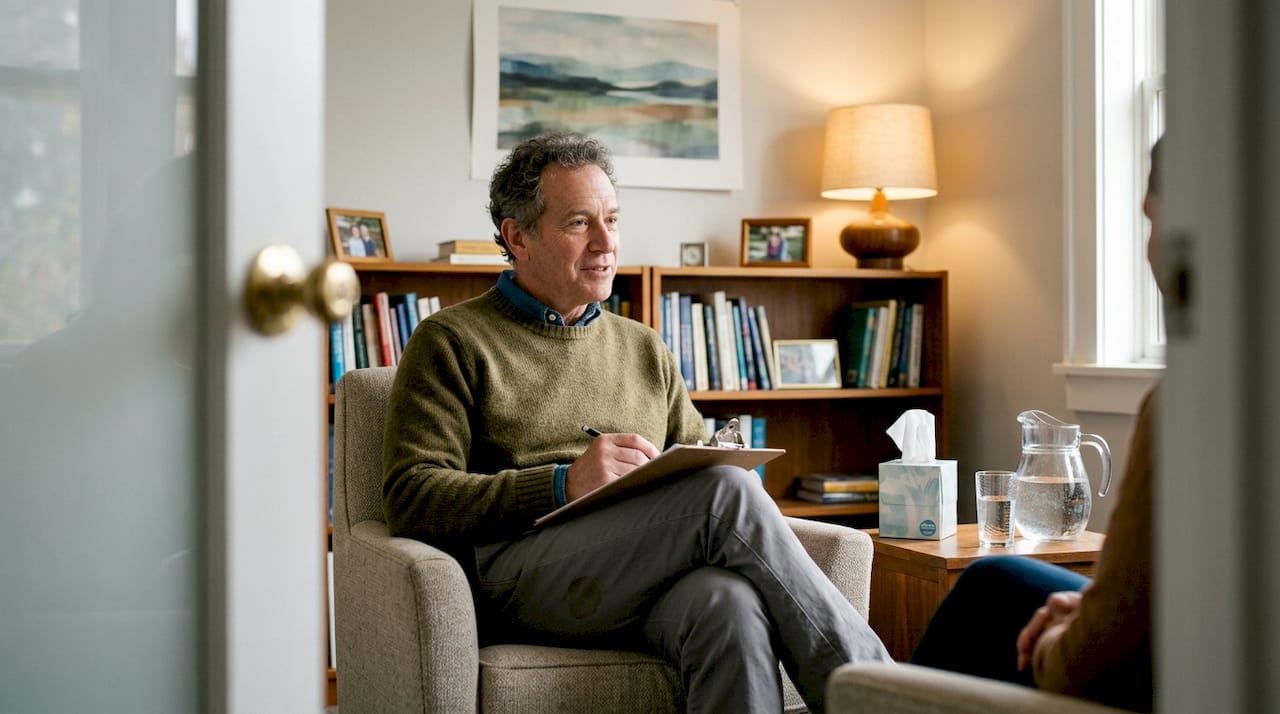
One of the most striking findings: a single 25mg dose of psilocybin, administered in a clinical setting with psychological support, can produce antidepressant effects that last weeks to months. Compare that to a daily antidepressant pill with a six-to-eight week delay before any effect and a long list of ongoing side effects.
| Treatment | Onset of effect | Duration per dose | Supervision required |
|---|---|---|---|
| Standard antidepressants | 4 to 8 weeks | Daily dosing | Outpatient |
| Psilocybin (clinical) | Within 24 hours | Weeks to months | Intensive clinical |
| Ketamine/esketamine | Days | Repeated infusions | Clinical |
Nearly one in four Americans now support legal psilocybin use, reflecting how fast public opinion is tracking the science. That’s a striking shift from even five years ago.
“Psilocybin is not a magic bullet, but for patients who have failed multiple antidepressants, the early data is among the most promising we’ve seen in psychiatry in a generation.”
For PTSD, results are early but encouraging. The overlap between trauma-related rumination and the default mode network, which psilocybin specifically disrupts, gives researchers strong theoretical grounds to keep testing. You can read more about how this applies to everyday psilocybin mental wellness use and what product formats align with different goals.
Ethical safeguards are central to all legitimate clinical work. Screening protocols, trained therapists, supervised sessions, and follow-up integration support are all standard components. This matters a lot when you’re thinking about self-guided use at home, where none of those safeguards exist by default.
Microdosing: protocols, evidence, and limitations
Not everyone is looking for a full psychedelic experience. Microdosing, taking a sub-perceptual amount of psilocybin that doesn’t cause hallucinations, has become one of the most talked-about wellness trends of the last decade. The idea is that small, regular doses can improve mood, focus, and creativity without any psychedelic effects. But what does the evidence actually say?
First, the basics. A microdose typically falls between 0.05g and 0.4g of dried mushrooms. At this range, most people feel nothing unusual. The most popular protocols include:
- Fadiman Protocol: One day on, two days off, repeated over four to eight weeks
- Stamets Stack: Four days on, three days off, often combined with lion’s mane and niacin
- Intuitive dosing: No fixed schedule, dosing based on personal need or feel
The clinical microdosing insights emerging from controlled research are more cautious than the online wellness community suggests. Comparing microdosing vs full doses shows something important: full doses in clinical settings drive most of the documented therapeutic change, while microdosing benefits often struggle to outperform placebo in double-blind studies.
Research on microdosing effects on cognition and mood has repeatedly found null or inconclusive results when expectation bias is properly controlled. That’s not a reason to dismiss microdosing, but it is a reason to go in with realistic expectations.
Pro Tip: If you’re new to microdosing, keep a daily log of mood, sleep, and focus for at least three weeks. This gives you real personal data instead of relying on how you feel in the moment.
Practical safety notes for microdosing:
- Start at the lowest end of the dose range
- Avoid dosing on high-stress or mentally demanding days until you know your response
- Do not combine with SSRIs without medical guidance
- Review the microdosing safety guide before starting any protocol
Risks, safety, and emerging alternatives
Psilocybin is one of the physiologically safest substances studied by toxicologists, but physiological safety is not the same as being risk-free for everyone. Certain people should not use psilocybin at all, and others should approach it with significant caution.
Key contraindications and edge risk cases for psilocybin include:
- Personal or family history of psychosis or schizophrenia: Psilocybin can trigger or worsen psychotic episodes
- Bipolar disorder: Risk of destabilization, particularly during manic phases
- Cardiovascular conditions: Psilocin elevates heart rate and blood pressure temporarily
- Pregnancy or breastfeeding: No safety data exists; avoid entirely
- Lithium, MAOIs, or SSRIs: Serious interaction risks, including serotonin syndrome and seizures
Rare but real risks also include hallucinogen persisting perception disorder (HPPD), where visual disturbances continue long after the experience ends. Increased suicidality has been observed in a small subset of participants in uncontrolled settings, which reinforces why expert supervision matters.
On the cutting edge, researchers are developing non-hallucinogenic psilocin analogs that may retain therapeutic benefits without the psychedelic experience. This could eventually mean psilocybin-derived treatments that work in outpatient settings without the need for extended supervised sessions.
Pro Tip: If you are new to psilocybin, read through a safe psilocybin use guide before anything else. Knowing your baseline health status and any contraindications is step one, not an afterthought.
For those weighing their options on product format, understanding dried mushrooms vs chocolates in terms of dosing predictability and onset time is genuinely useful. Delivery method affects how quickly and intensely you feel effects, and that matters for safety.
Why the microdosing hype misses the bigger wellness story
Here’s an opinion that might surprise you: microdosing is probably the least important development in the psilocybin space right now. It gets enormous attention because it fits into a productivity-culture narrative. A few drops of mushroom magic before your morning meeting. Better focus, brighter mood, zero weirdness. That story sells.
But the real breakthroughs are happening in supervised clinical settings, with full doses, trained therapists, and structured integration support. That’s where the data is strongest and where people with treatment-resistant depression and PTSD are actually getting relief. The psilocybin dosage insights that matter most are not about daily sub-perceptual doses. They are about carefully planned, meaningful experiences that people then spend weeks integrating with professional support.
If you’re curious about psilocybin for genuine mental wellness transformation, think bigger than your morning routine. The evidence points toward infrequent, intentional, and supervised experiences as the real lever for lasting change.
Next steps: Exploring quality magic mushroom products safely
Knowing the science is the first step. The next is finding products you can actually trust.
At Elevated Remedies in Ann Arbor, we carry dried magic mushrooms, mushroom capsules for precise microdosing, and mushroom gummies for those exploring different formats. Every product we stock is sourced for quality and consistency, because dose accuracy matters when you’re experimenting responsibly. Not sure where to begin? Check out what Amanita muscaria is and how it differs from psilocybin mushrooms. Our team at 1123 Broadway St is here to answer your questions and help you find the right starting point for your wellness goals.
Frequently asked questions
Are magic mushrooms legal in 2026?
Magic mushrooms remain federally illegal in the US, though limited clinical exemptions exist and decriminalization is expanding in certain cities and states. Nearly one in four Americans now support legal access, signaling fast-shifting public opinion.
What conditions might benefit from psilocybin therapy?
Current evidence most strongly supports treatment-resistant depression, major depressive disorder, and PTSD, all under clinical supervision. Psilocybin’s FDA Breakthrough Therapy status for MDD and TRD reflects how seriously regulators now take this evidence.
Is microdosing magic mushrooms safe?
For healthy adults without contraindications, microdosing carries low physiological risk, but anyone with a history of psychosis, bipolar disorder, or who takes certain medications should avoid it. Review the contraindications and edge risks before starting.
Can you use magic mushrooms for daily wellness?
The strongest therapeutic outcomes in studies come from supervised, infrequent full doses rather than daily self-administration. Microdosing research on cognition and mood has not yet produced consistent results that support daily use as a reliable wellness practice.
Recommended
- Top magic mushroom wellness tips for safe, effective use – Elevated Remedies
- Magic mushroom dosage guide: safe & effective use in Michigan – Elevated Remedies
- Magic mushroom terms explained: Michigan guide 2026 – Elevated Remedies
- Magic mushroom consumption: Safe steps for Ann Arbor users – Elevated Remedies