
TL;DR:
- Many Michigan residents are turning to kratom for relaxation despite limited clinical evidence supporting its safety. Kratom acts on opioid receptors to produce dose-dependent effects, with higher doses causing sedation and dependence risks. Alternatives like CBD, regulated psilocybin products, and herbal teas offer safer options with stronger research backing.
Many Michigan residents are turning to kratom as a so-called natural shortcut to relaxation and stress relief, but the reality of what this plant actually does in your body is more complicated than most vendors let on. Kratom has a genuine biochemical effect, and that effect comes with real tradeoffs. This guide cuts through the noise to explain what kratom does, what the research actually says about its safety, where Michigan law currently stands, and which alternatives might give you the relaxation you’re looking for without the same level of risk.
Table of Contents
- How does kratom actually work for relaxation?
- Evidence and risks: What experts say about kratom for stress relief
- Is kratom legal in Michigan for relaxation?
- Kratom vs. other natural options: What are safer choices for relaxation?
- The uncomfortable truth about kratom for relaxation in Michigan
- Explore safe and effective relaxation alternatives
- Frequently asked questions
Key Takeaways
| Point | Details |
|---|---|
| Kratom acts like an opioid | Kratom’s relaxation effects come from its opioid-like action, which also creates risk for dependence and withdrawal. |
| Safety evidence is lacking | Experts agree that clinical research does not strongly support kratom as a proven, safe relaxation aid. |
| Michigan law is evolving | Kratom is legal in Michigan as of 2026, but new regulations and local policy changes could impact access. |
| Safer alternatives exist | CBD, wellness mushrooms, and non-alcoholic beverages may offer relaxation with fewer known risks. |
| Natural doesn’t mean safe | Just because a product is natural doesn’t mean it lacks significant health risks, especially for substances affecting the brain. |
How does kratom actually work for relaxation?
To evaluate whether kratom is right for relaxation, it helps to first understand what it actually does in the body.
Kratom comes from a tree called Mitragyna speciosa, native to Southeast Asia. Its leaves contain active compounds, the most significant being mitragynine and 7-hydroxymitragynine (often called 7-OH). These compounds act on opioid receptors in the brain and nervous system, which is why kratom produces effects that feel similar to opioid drugs even though it comes from a plant. At moderate to high doses, this receptor activity produces sedation and a sense of calm. That’s the relaxation effect many users are chasing.
The tricky part is that kratom’s dose-dependent effects range from stimulating at low amounts to full-on sedating at higher doses, meaning the same product can act very differently depending on how much you take.
“People commonly use kratom for relaxation and stress relief because it produces opioid-like psychoactive effects…including sedation/relaxation.”
Here’s a quick breakdown of what to expect at different dose levels:
| Dose range | Primary effects | User experience |
|---|---|---|
| Low (1 to 3 grams) | Stimulant-like | Increased energy, alertness, talkativeness |
| Moderate (3 to 6 grams) | Mixed | Mild euphoria, mood lift, early sedation |
| High (6+ grams) | Sedative/opioid-like | Deep relaxation, pain relief, drowsiness |
The mu-opioid receptor activity of these compounds is the key driver behind kratom’s relaxation potential, and it’s also what makes the substance pharmacologically similar to opioids rather than, say, chamomile tea.
Beyond the basic sedative effect, people report kratom helping them relax in several specific ways:
- Muscle relaxation: Tension in the shoulders, neck, and back often loosens at moderate to high doses.
- Mood improvement: Mitragynine may increase dopamine activity, which makes stressful situations feel more manageable.
- Anxiety relief: Some users report a reduction in social anxiety or general worry, particularly at mid-range doses.
- Sleep preparation: Higher doses are sometimes used as a nighttime wind-down tool, though this comes with significant caveats.
It’s worth being clear: these effects are real. The mechanism is not imaginary. But the same mechanism that makes kratom feel relaxing is the exact reason it carries meaningful risks, which we’ll get into next.
Evidence and risks: What experts say about kratom for stress relief
Understanding how kratom acts isn’t enough. You also need to know what the science and medical community actually say about using it for relaxation.
Here’s the uncomfortable gap: people genuinely feel relaxed after using kratom, but clinical evidence supporting therapeutic use is essentially lacking. There are no large-scale, peer-reviewed clinical trials confirming that kratom is a safe and effective treatment for anxiety, stress, or insomnia. What exists is mostly self-reported user data and early-stage pharmacological research.
“Evidence supporting kratom as a safe and effective relaxation or stress treatment is limited, and expert and public health sources emphasize risks including dependence, withdrawal, and other harms.”
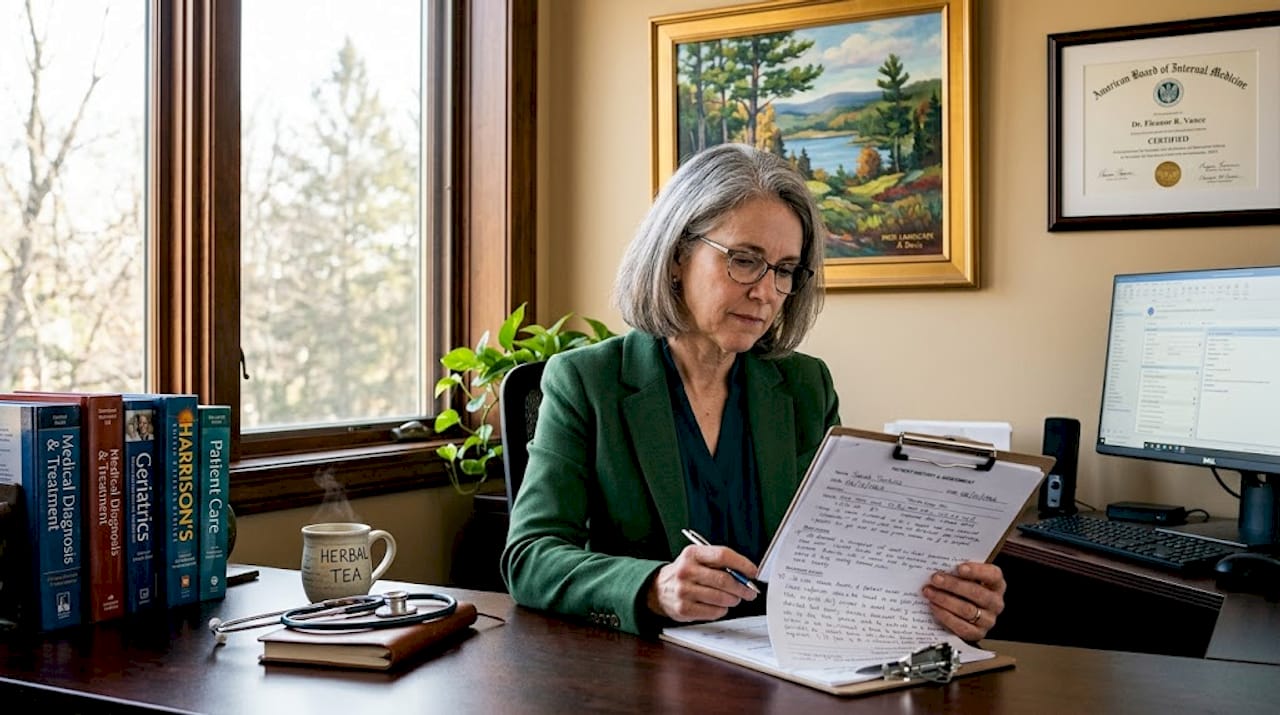
Major organizations like the American Psychiatric Association and the FDA have both flagged dependence, withdrawal, and toxicological concerns associated with kratom. This is not fringe worry. These are mainstream medical positions backed by documented adverse event reports.
The most serious risks when using kratom for relaxation include:
- Physical dependence: Regular use can lead to your body relying on kratom to feel normal, particularly when used daily for weeks or months.
- Withdrawal symptoms: When you stop, expect restlessness, muscle aches, insomnia, irritability, and nausea. These symptoms closely mirror opioid withdrawal.
- Unpredictable potency: Kratom products are not standardized. One batch can be significantly stronger than the last, making safe dosing genuinely difficult.
- Drug interactions: Kratom is metabolized through the same liver enzymes as many common medications. Mixing it with antidepressants, benzodiazepines, or other substances can amplify or alter effects unpredictably.
- Concentrated product risks: Products containing isolated 7-OH are especially concerning. The FDA has specifically warned about 7-hydroxymitragynine concentrates due to their much higher potency and addiction potential.
Pro Tip: “Natural” doesn’t mean safe, especially when the substance acts on opioid receptors. Kratom trees are natural. The biochemical pathway they trigger is the same one that makes prescription opioids addictive.
If you’re currently exploring natural approaches to anxiety or stress and want something with a stronger evidence base, a look at CBD for wellness can offer a useful comparison point. CBD interacts with the endocannabinoid system rather than opioid receptors, which gives it a distinctly different risk profile.
Is kratom legal in Michigan for relaxation?
After weighing the effects and risks, it’s critical to understand if and how the law allows you to access kratom in Michigan.
As of 2026, kratom is legal to buy, sell, and possess throughout most of Michigan. There is no statewide ban. However, the policy landscape is actively shifting. Michigan HB 4969, introduced in 2025, proposes a formal regulatory framework for kratom that would include licensing for vendors, age restrictions, and labeling requirements. This bill has not yet passed, but its introduction signals that tighter oversight is coming.
Here’s what could change for Michigan residents if or when regulation takes effect:
- Age restrictions: A legal minimum age (likely 18 or 21) for purchasing kratom.
- Vendor licensing: Sellers would need to meet specific state requirements, which could reduce the number of outlets carrying it.
- Labeling requirements: Products may need to display active compound content, warnings, and dosage guidance.
- Possible bans in certain jurisdictions: Some Michigan cities or counties may adopt stricter local ordinances independent of state law.
Here’s a side-by-side look at where things stand now versus what’s being proposed:
| Category | Current status (2026) | Proposed under HB 4969 |
|---|---|---|
| Statewide legality | Legal | Still legal with regulation |
| Age requirement | None statewide | Likely 18 or 21 minimum |
| Vendor licensing | Not required | Required |
| Labeling standards | No standard | Mandatory content disclosure |
| Local bans | Possible | Would not override localities |
For context, if you’re already curious about Michigan’s broader wellness and alternative supplement landscape, the psilocybin product guide covers regulated mushroom products, and the mental wellness checklist gives a broader picture of what’s legally accessible for wellness purposes in the state.
Pro Tip: Always confirm local ordinances before purchasing kratom. Ann Arbor’s progressive stance doesn’t automatically extend to every municipality in Michigan, and this area of law is genuinely in flux.
If you’re also interested in safe, intentional wellness practices, the safe microdosing guide walks through how Michigan residents are approaching psilocybin microdosing with a lot more regulatory clarity than kratom currently has.
Kratom vs. other natural options: What are safer choices for relaxation?
For many Michiganders, relaxation means exploring several natural paths, not just kratom. So how do other options stack up?
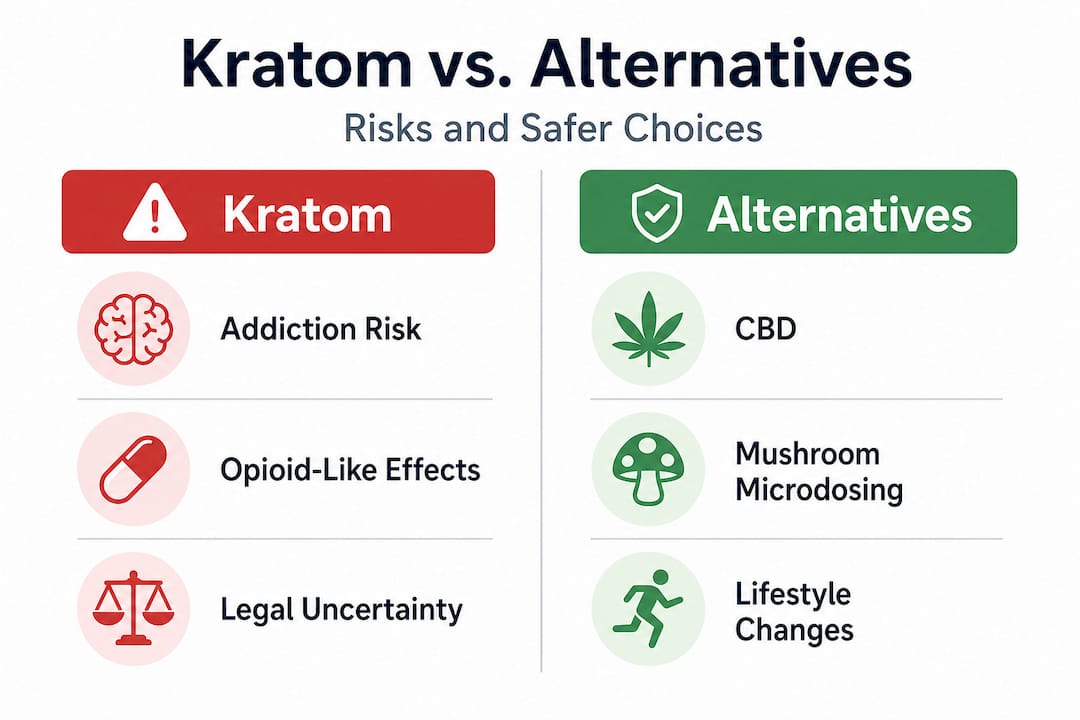
The honest answer is that most legal alternatives carry fewer dependency risks than kratom while still offering meaningful relaxation support. Not all natural relaxants share kratom’s risk profile. Some, like CBD, regulated mushroom products, and herbal teas, have meaningfully different safety profiles and in some cases better research support.
Here’s a comparative look:
| Option | Relaxation effect | Dependence risk | Legal in Michigan | Research support |
|---|---|---|---|---|
| Kratom | Moderate to strong | Medium to high | Yes (pending regulation) | Limited |
| CBD | Mild to moderate | Very low | Yes | Growing evidence base |
| Psilocybin mushrooms | Varies (wellness use) | Very low | Decriminalized in Ann Arbor | Early stage but promising |
| THC beverages | Mild to moderate | Low (responsible use) | Regulated | Moderate |
| Herbal teas (valerian, chamomile) | Mild | Negligible | Yes | Some clinical support |
Top alternatives to kratom for relaxation that are accessible right now in Michigan:
- CBD products: Available in tinctures, gummies, and topicals. Acts on the endocannabinoid system and supports calm without opioid receptor involvement.
- Psilocybin microdosing: At sub-perceptual doses, many users report reduced anxiety and improved emotional balance. Particularly relevant in Ann Arbor where decriminalization is in effect.
- THC-infused beverages: A guide to THC drinks for relaxation covers how to use them without the grogginess associated with higher doses.
- Valerian root and ashwagandha: Herbal supplements with some clinical backing for reducing anxiety and improving sleep, widely available and non-habit forming.
- Mindfulness and breathwork: Free, evidence-backed, and genuinely effective when practiced consistently. Combines well with any supplement approach.
For a deeper look at how microdosing supports anxiety specifically, the microdosing for anxiety guide is worth reading, and the mushroom wellness guide covers how Michigan residents are incorporating psilocybin products responsibly.
Pro Tip: Before mixing relaxation supplements or switching from one to another, especially from kratom, talk to a healthcare provider. What feels like a simple swap can sometimes cause unexpected interactions or withdrawal effects.
The uncomfortable truth about kratom for relaxation in Michigan
Having compared your options, it’s worth taking a step back for a frank look at the reality many guides and vendors gloss over.
Kratom has an appealing story. It’s a plant. People have used it in Southeast Asia for generations. It makes you feel calm. It’s currently legal here. On the surface, that sounds like a responsible, natural wellness choice. We understand the appeal because we talk to people who are genuinely trying to manage stress, find sleep, or step away from pharmaceuticals they don’t want to be on long-term.
But here’s where the story gets complicated.
The relaxation you feel from kratom isn’t some gentle herbal calm. It’s opioid-like sedation. The same mechanism that drives kratom’s appeal for relaxation is the same one that creates tolerance and physical dependence over time. People don’t usually plan to become dependent on kratom. It happens gradually, in the same pattern as other substances that act on opioid receptors.
“The relaxation experience often reflects opioid-like sedation, but the same mechanism is linked to dependence risk, especially with concentrated products.”
We also see a consistent pattern where people treat “natural” as a proxy for “safe,” and with kratom, that assumption causes real harm. Kratom isn’t like chamomile. It isn’t like ashwagandha. The biochemistry is fundamentally different, and the consequences of daily use over months can look a lot more like opioid dependence than like “taking an herbal supplement.”
This doesn’t mean everyone who uses kratom ends up in trouble. Some people use it occasionally without issue. But occasional use is not how most people end up using it, especially when they’re leaning on it for stress relief every day.
Our recommendation, based on what we’ve seen and what the research supports, is to prioritize options with transparent sourcing, regulated dosing, and a lower ceiling for harm. CBD and regulated psilocybin products fit that description much better than kratom does right now. For CBD safety insights or guidance on where to start with mushroom-based wellness, we’ve put together resources that can help you make a more informed decision.
Pro Tip: For wellness-focused relaxation in Michigan, prioritize transparent sourcing and evidence-backed products. If a vendor can’t tell you exactly what’s in something or how it was tested, that’s a red flag regardless of what the substance is.
Explore safe and effective relaxation alternatives
If you’re looking for relaxation options that align with Michigan’s current legal landscape and come with fewer question marks, Elevated Remedies has you covered right here in Ann Arbor.
We carry a curated selection of CBD products, magic mushroom capsules for microdosing, dried mushrooms, and mushroom chocolates, all sourced for quality and consistency. Everything we stock is selected with transparency and your wellness in mind. Whether you’re stepping away from kratom or just starting to explore natural relaxation for the first time, our team at 1123 Broadway St is ready to walk you through your options without judgment. Stop in and see what being elevated the right way actually looks like.
Frequently asked questions
Is kratom actually legal in Michigan right now?
As of 2026, kratom is legal statewide in Michigan, but new regulations are actively being debated and local rules may vary by city or county.
Why does kratom work differently at different doses?
At low doses it tends to be stimulating, while at higher doses it acts on opioid receptors to produce sedative and relaxing effects, making dose control particularly important.
Are kratom’s relaxation effects proven safe in clinical studies?
No. Clinical evidence is lacking according to experts, and no major health authority has approved kratom as a safe, effective relaxation supplement.
Are there safer natural alternatives for relaxation in Michigan?
Yes. Options like CBD, properly sourced psilocybin mushrooms, and herbal teas are generally lower-risk than kratom when responsibly sourced and used, and several are readily available in Ann Arbor.
Recommended
- Michigan mushrooms for wellness: Laws, benefits, and safe use – Elevated Remedies
- Michigan guide: psilocybin product examples & safe use – Elevated Remedies
- Cosmic mushrooms in Michigan: Safety, science, and the law – Elevated Remedies
- Magic mushrooms for focus: What Michigan residents need to know – Elevated Remedies