
Collectors gather artistic bongs because they function as both design objects and cultural statements. The motivations run deeper than aesthetics alone.
- The National Liberty Museum displayed more than 50 handcrafted water pipes as fine art, with one piece priced at a quarter of a million dollars, confirming institutional validation.
- Artists like those featured through Grey Space Art have shown pieces at Fashion Week with prices reaching up to several hundred thousand dollars, signaling serious collector and investor interest.
- Theelevatedremedies, Ann Arbor’s premier smoke shop, stocks pieces across every price tier and helps collectors understand what they are buying.
This guide covers the cultural context, valuation mechanics, care practices, and practical steps to build a collection worth owning.
Key Takeaways
Collecting artistic bongs is most rewarding when you understand what drives value, how institutions have validated the form, and how to protect what you acquire.
| Point | Details |
|---|---|
| Cultural validation is real | Museums including the National Liberty Museum have displayed handcrafted water pipes as fine art, some priced at $250,000. |
| Price range is wide | Market entry points run from roughly $50 (museum gift shops) to $300,000 (elite showcases), with a healthy mid-tier at $500–$3,500. |
| Value drivers | Scarcity, borosilicate technique, artist reputation, and documented provenance set price above materials alone. |
| Preserve to protect value | Display-only pieces hold value better; use UV-filtering cases, insure high-value work, and maintain a provenance file. |
| Theelevatedremedies | Ann Arbor’s premier smoke shop carries pieces across all collector tiers with staff who can guide provenance and material questions. |
Table of Contents
- Why collecting artistic bongs matters culturally
- How the functional-glass market evolved and where prices stand
- What actually determines an artistic bong’s value
- Care, display, and the legal basics U.S. collectors need to know
- How to start building a collection strategically
- Should you use a piece or keep it for display?
- Why Theelevatedremedies values artistic bong collecting
- Start your collection at Theelevatedremedies
- Sources
Why collecting artistic bongs matters culturally
Collecting handcrafted glass water pipes does something most hobbies don’t: it actively participates in a cultural argument. When you acquire a signed, one-of-a-kind piece from a studio glassblower, you’re not just buying a smoking accessory. You’re placing a functional object into a design conversation that museums and galleries have already joined.
The institutional validation is real and documented. The National Liberty Museum in Philadelphia mounted an exhibition that displayed handcrafted water pipes as sculptural objects, some priced at high values. WHYY’s coverage framed the exhibit explicitly as a challenge to viewers: think of these as fine art, not paraphernalia. That framing shift matters because it changes who collects, how pieces are valued, and what stories collectors can tell about their acquisitions.
Gallery strategies have reinforced this. Head Magazine’s coverage of curated shows describes exhibitions that placed bespoke pipes alongside street art and contemporary paintings, deliberately inviting audiences who had never considered functional glass as collectible.
The ripple effects for artists are concrete. Sales of functional glass pieces fund studio time, materials, and the broader sculptural practice many glassblowers pursue alongside their functional work. For collectors, that means buying a piece often directly supports an artist’s career in a way that purchasing a print or a reproduction simply doesn’t.
How the functional-glass market evolved and where prices stand
The modern functional-glass movement grew from underground craft culture in the 1990s, when a small community of American glassblowers began applying lampworking and borosilicate techniques to water pipes. Regional smoke-shop economies sustained those artists for years before galleries noticed.
The market’s current range is wide. SFMOMA’s gift shop sold ceramic cannabis pipes through a curated collection called Weed’d, priced from accessible low to mid price points, showing that museum channels can introduce design-tier pieces at accessible price points. At the other end, South Florida glassblowers documented by regional reporting sell custom pieces for $500–$3,500, representing a healthy mid-tier market. Then there’s the elite end: Grey Space Art’s Fashion Week showcase presented pieces priced from tens of thousands to several hundred thousand dollars.
Key market drivers collectors should understand:
- Scarcity: One-off studio pieces command premiums; production runs do not.
- Artist reputation: Named artists with exhibition history move prices significantly.
- Event-driven visibility: Fashion Week appearances and museum shows accelerate collector interest and can shift top-tier prices quickly.
- Legal and regulatory shifts: As cannabis normalization expands across U.S. states, mainstream collector interest grows alongside it.
What actually determines an artistic bong’s value
Value in functional glass comes down to four things: scarcity, technique, provenance, and condition. Everything else is secondary.
Materials and technique set the baseline. Borosilicate glass, the same material used in laboratory equipment, is harder, more heat-resistant, and more durable than soft glass. Pieces made with borosilicate hold detail better over time and are less prone to thermal stress fractures. Lampworking (torch work) allows for intricate surface detail, fine color work, and sculptural complexity that furnace-blown pieces rarely achieve. A single one-off artisanal piece can represent hundreds of studio hours across design trials and execution, which is why scarcity and technique are inseparable value drivers. For a deeper look at how these techniques translate to aesthetics and durability, the glass pipe artistry guide from Theelevatedremedies breaks down the craft clearly.
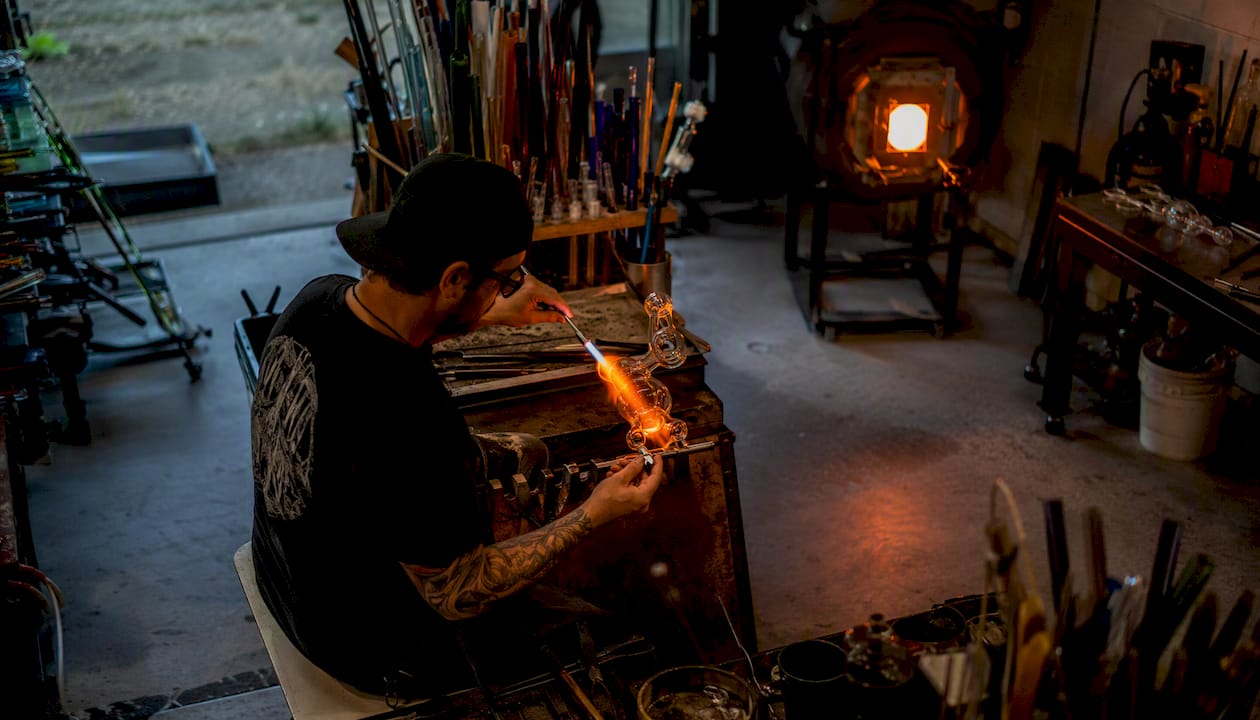
Provenance and artist reputation create the premium above materials. Signed pieces with documented ownership history command more than unsigned work of comparable quality. Named artists with gallery exhibition records, published coverage, or museum placements carry reputations that transfer directly to price. Joe Peters, whose work has appeared in gallery contexts, represents the kind of artist whose signed pieces collectors actively seek.
A practical checklist before buying any piece:
- Confirm the artist’s name and verify their exhibition or gallery history.
- Check for a signature, date, or artist mark on the piece itself.
- Ask for provenance documentation: receipts, photos, artist correspondence.
- Inspect condition carefully, including joints, seals, and any surface work.
- Confirm functional integrity if the piece is intended for occasional use.
Care, display, and the legal basics U.S. collectors need to know
Proper maintenance and thoughtful display preserve both aesthetic integrity and resale value. Neglect on either front is the fastest way to degrade a piece worth protecting.
For cleaning, use materials-safe solvents appropriate to the glass type. Isopropyl alcohol (91% or higher) with coarse salt works for residue removal, but avoid sudden temperature changes when rinsing. Thermal shock, pouring cold water into a hot piece or vice versa, can crack even high-quality borosilicate. For a full step-by-step process, the bong cleaning guide at Theelevatedremedies covers the specifics without guesswork.
Display considerations for high-value pieces:
- Use UV-filtering glass cases or display cabinets to prevent color fading.
- Mount pieces on stable, padded stands that distribute weight evenly.
- Keep display areas away from high-traffic zones where vibration or accidental contact is likely.
- For pieces with residue history, thorough cleaning before display is non-negotiable.
Legal note: Sale, possession, and display rules for water pipes vary by U.S. state and sometimes by municipality. This is general information, not legal advice. Confirm current rules in your state before purchasing, displaying, or transporting pieces, particularly across state lines.
Pro Tip: Insure high-value pieces under a fine-art or collectibles rider on your homeowner’s or renter’s policy, and maintain a provenance file with photos, receipts, and any artist correspondence. Standard policies rarely cover specialty collectibles at replacement value.
How to start building a collection strategically
Set your goals before you spend anything. A display-focused collector prioritizes condition and visual impact. An investment-minded collector prioritizes artist reputation, scarcity, and provenance. Someone collecting for occasional use needs functional integrity alongside aesthetics. Those three goals lead to different purchases, different price points, and different care routines.
Sourcing channels each have tradeoffs. Gallery shows and museum shop collaborations offer curated, vetted pieces with provenance built in, but selection is limited and prices reflect the institutional markup. Studio drops from individual artists, often announced through social media, offer direct provenance and sometimes lower prices, but require research to verify the artist’s reputation. Trusted local shops like Theelevatedremedies carry pieces across price tiers with staff who can speak to materials and makers, making them a practical starting point for collectors who want guidance alongside the purchase.
Budgeting by collector type:
- Starter: Focus on signed pieces from regional glassblowers in the $200–$800 range. Prioritize documented provenance over visual complexity.
- Mid-tier: Allocate $1,000–$5,000 per piece for artists with gallery history or published coverage. Condition and scarcity matter more at this level.
- Aspirational: Six-figure pieces require the same due diligence as any fine-art acquisition: independent appraisal, insurance, and verified provenance.
Meeting the artist directly, at a studio, show, or local shop event, remains one of the most reliable ways to establish provenance and understand the work. That conversation is also where you learn whether a piece is a one-off or part of a small run, which affects long-term value.
Should you use a piece or keep it for display?
Using a piece lowers its resale and display value. That’s the direct answer, and most serious collectors accept it as a given.
Reasons to display only:
- Residue, heat stress, and repeated handling degrade surface work and color.
- Clean, unsmoked pieces are easier to insure and appraise.
- Display integrity signals stewardship to future buyers or institutions.
Reasons some collectors still use pieces:
- Functional glass was designed to be used; some collectors argue that use is part of the object’s authentic story.
- Occasional, careful use with thorough cleaning afterward can preserve appearance reasonably well.
- Bongs cool and filter smoke through water percolation for a smoother inhale, though water filtration does not eliminate the health risks of smoking.
For collectors who want both, a practical middle path is to use removable components (bowls, downstems) that can be replaced if damaged, while keeping the main body clean. Knowing how different bong slides affect the experience helps you make smarter decisions about which components to protect and which to treat as consumable.
Why Theelevatedremedies values artistic bong collecting
At Theelevatedremedies, we think the collector conversation around functional glass is one of the most interesting things happening in the smoking accessories space right now. Ann Arbor has always attracted people who take craft seriously, and that extends to the glass pieces we carry. Our selection runs from accessible designer pieces to higher-end work, and our team can speak to materials, makers, and care for whatever you’re considering. We publish educational content specifically because collectors deserve more than a price tag; they deserve context.
Start your collection at Theelevatedremedies
Theelevatedremedies carries glass pieces across every collector tier, from approachable signed work to higher-end studio pieces, all at prices that reflect what the work is actually worth. If you’re starting a collection or adding to one, our Ann Arbor shop at 1123 Broadway St is the right first stop. The team can answer provenance questions, point you toward artists worth following, and help you find pieces that fit your goals and budget. For a deeper read before you visit, the glass pipe artistry guide on our site covers technique, evaluation, and care in detail. Ready to browse? Visit Theelevatedremedies online or come in and see what’s on the floor.
Sources
The sources below support the claims in this guide and are worth consulting directly for deeper research.
- Museum challenges us to think of bongs as fine art - WHYY
- We Talked to the Guy Who Brought a $300K Bong to Fashion Week - VICE
- Philadelphia museum showing glass bongs as high art | Fox News
- South Florida’s best glassblowers turn bongs into art - Broward Palm Beach
- How The “Banksy of Bongs” Elevated World of Glass Pipes Through Fine Art - Head Magazine