
TL;DR:
- Vape shops in Ann Arbor promote a wellness image through natural, plant-based labeling and probiotic branding, attracting health-conscious consumers. However, scientific evidence shows inhaling essential oils and vape products carries health risks, with limited proven benefits or safety; experts warn that wellness claims are often marketing tools rather than verified medical guidance. Consumers should critically assess product claims, seek transparent sourcing, and understand the limitations of retail advice when exploring holistic health options locally.
Walk into any vape shop in Ann Arbor and you’ll likely see shelves lined with CBD tinctures, plant-based vape liquids, and products carrying words like “natural,” “holistic,” and “plant-powered.” It looks like wellness. It sounds like wellness. But there’s a growing gap between what these labels promise and what health experts actually confirm. For anyone in Ann Arbor who’s seriously exploring natural wellness options, including microdosing, psilocybin capsules, or herbal alternatives, knowing how to separate real guidance from polished marketing isn’t optional. It’s essential.
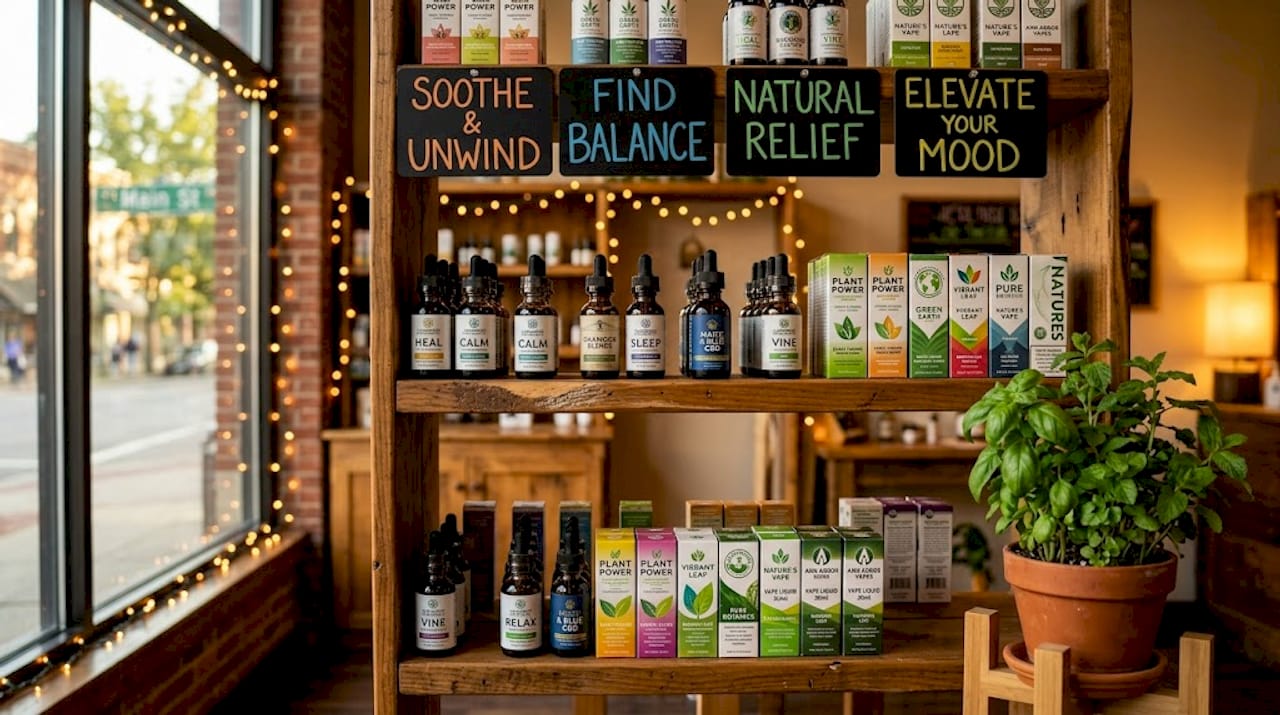
Table of Contents
- How vape shops promote wellness in Ann Arbor
- Wellness claims versus expert safety guidance
- Vape shops’ role: Curators or health advisors?
- Safer alternatives and the rise of microdosing guidance
- Why a wellness label shouldn’t replace real evidence
- Explore vetted natural wellness options in Ann Arbor
- Frequently asked questions
Key Takeaways
| Point | Details |
|---|---|
| Wellness marketing is common | Ann Arbor vape shops leverage wellness language, but not all claims reflect medical evidence. |
| Inhalable risks remain | Medical authorities warn that inhaling anything but clean air may carry health dangers. |
| Product curation ≠ health advice | Expert staff offer curated choices, but this should not be mistaken for medical or wellness endorsement. |
| Discernment is essential | Consumers should ask critical questions, check laws, and value evidence when exploring natural alternatives. |
How vape shops promote wellness in Ann Arbor
With the local wellness movement gaining momentum, let’s examine how Ann Arbor vape shops present themselves as partners in holistic health.
Ann Arbor has always attracted forward-thinking residents who are skeptical of mainstream medicine and open to exploring alternatives. Vape shops have responded to that cultural appetite by positioning themselves squarely within the wellness conversation. Walk through the door and you might find aromatherapy diffusers next to dab rigs, CBD softgels near rolling papers, and staff who speak fluently about terpenes and adaptogens.
The marketing strategy at work here is specific and deliberate:
- “Natural” and “plant-based” labeling on products like CBD vape oils, kratom capsules, and botanical blends
- Tobacco and nicotine alternative framing, pitching vaping as a step down from traditional cigarettes
- Curated wellness selections that signal expertise and intentionality to shoppers who want more than a gas station tobacco aisle
- Integration with emerging psychedelic culture, including mentions of microdosing protocols and psilocybin-adjacent products
Locally, vape shops in Ann Arbor position themselves as plant-based alternatives to traditional tobacco and smoke shops, emphasizing health-conscious branding to attract wellness seekers. This framing works because it meets real consumer demand. People are genuinely looking for alternatives to prescription medications, processed products, and conventional habits. Retailers that speak that language earn foot traffic.
The crossover with microdosing culture is especially pronounced in Ann Arbor. Because the city decriminalized psilocybin in 2020, some shops have incorporated guidance on wellness-oriented accessories and psychedelic-adjacent products alongside their more traditional inventory. Staff are often trained to discuss product categories with confidence, which creates a sense of expert endorsement.
“Being plant-based doesn’t automatically mean being safe, proven, or well-regulated. The ‘natural’ label is a marketing tool, not a medical certification.”
For shoppers exploring CBD for wellness, this environment can feel supportive and credible. But it’s worth slowing down to look more carefully at the evidence behind the claims.
Wellness claims versus expert safety guidance
Now that we’ve explored the wellness framing, it’s crucial to clarify what science and health authorities actually say about these popular products.
Here’s where things get complicated. The wellness identity that vape shops have built is sophisticated and appealing, but it runs directly into a wall of medical caution. The core problem is simple: inhaling substances other than clean air carries risk, regardless of whether those substances come from a plant.
The American Lung Association warns that inhaling essential oil aerosols is not good for your health, and that evidence for wellness claims tied to these products is extremely limited. This isn’t a fringe opinion. It reflects the consensus position of pulmonary medicine specialists who study what happens when aerosolized compounds enter the lungs.
| Product type | Common wellness claim | What experts say |
|---|---|---|
| CBD vape oil | Reduces anxiety, promotes calm | Limited human trial data; inhalation risks noted |
| Essential oil vapes | Aromatherapy benefits | No proven efficacy via inhalation; toxicity documented |
| Nicotine-free vapes | Safer alternative to smoking | Still exposes lungs to aerosolized chemicals |
| Kratom products | Energy, pain relief, mood | Limited regulation; potential for dependence |
The documented side effects of vaping essential oils include lung irritation, inflammation, and in severe cases, lipoid pneumonia, a condition caused by inhaling oily substances. These aren’t hypothetical risks buried in obscure journals. They’re the reason CBD safety considerations matter so much when choosing delivery methods.
Key statistic: The American Lung Association notes that there is no completely safe form of vaping, and the long-term effects of inhaling many vape shop products remain unstudied in rigorous clinical trials.
Pro Tip: If a product’s wellness claims aren’t backed by a reference to peer-reviewed research or a recognized health authority, treat those claims as unverified marketing, not medical guidance.
The “better alternative” framing deserves particular scrutiny. Something can be better than traditional cigarettes and still be harmful. Those two things aren’t mutually exclusive. Consumers who assume “better than cigarettes” means “safe for long-term wellness use” are making a logical leap that the evidence doesn’t support. For those seriously exploring holistic health in Ann Arbor, this is exactly the kind of distinction that a good Michigan mushroom wellness guide will help clarify.
Vape shops’ role: Curators or health advisors?
Marketing and expert warnings highlight a gray area, so what role do vape shops actually play when it comes to wellness decisions?
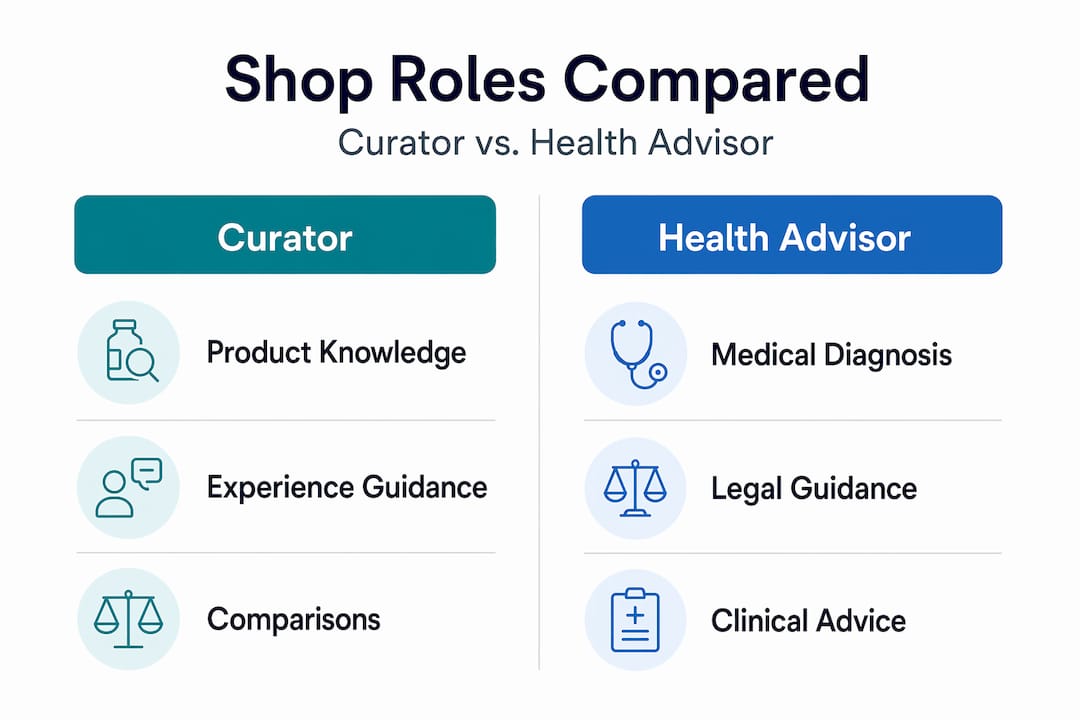
This is the real tension at the center of the vape shop wellness conversation. Most shops are genuinely trying to help their customers. The staff are often passionate and knowledgeable about their product inventory. The problem is structural, not personal. Product curation is not the same as clinical guidance.
Here’s how to think about the distinction practically:
| What vape shops do well | What goes beyond their scope |
|---|---|
| Product knowledge and comparison | Diagnosing health conditions |
| Explaining cannabinoid types (CBD, CBG, CBN) | Recommending dosing for medical purposes |
| Sharing user reviews and common experiences | Guaranteeing safety or therapeutic outcomes |
| Helping you find the right vape hardware | Advising on drug interactions |
According to industry examples and health authority guidance, vape shops frequently offer knowledgeable, helpful guidance, but this creates a real risk: customers may interpret curated product selection as a form of health endorsement. The shop staff member who confidently explains the difference between full-spectrum and broad-spectrum CBD is providing useful product information. They are not providing the same service as a licensed pharmacist or integrative medicine physician.
How to shop mindfully at any wellness-forward store:
- Separate product knowledge from medical advice. Staff can explain what a product contains; a doctor can tell you whether it’s right for your health situation.
- Ask what the evidence is. Not anecdotal reviews, but research. If staff can’t point to any, that tells you something.
- Read ingredient lists carefully. “Natural” and “plant-based” don’t automatically mean well-studied or low-risk.
- Understand what “curated” means. A curated selection reflects the shop’s purchasing preferences, not independent safety testing.
- Ask about sourcing and third-party testing. Reputable products have certificates of analysis from independent labs.
The value that shops like those highlighted in the A Clean Cloud shop experience provide is real: they make it easier to navigate a complex product landscape. But navigating that landscape wisely still requires the customer to stay engaged and critical. Knowledgeable staff plus a curious customer is a powerful combination. Knowledgeable staff plus a passive customer is a recipe for misunderstanding.
Understanding terpenes and user experience is one area where good staff education genuinely adds value, because terpene knowledge is about product experience and preference rather than medical treatment. That’s a helpful, appropriate lane for retail education.
Safer alternatives and the rise of microdosing guidance
Having separated marketing from medical endorsement, let’s look at practical steps for making safer, more informed wellness choices in Ann Arbor.
Ann Arbor’s wellness culture is genuinely unique. The city’s early decriminalization of psilocybin mushrooms created a retail environment where psychedelic retail culture overlaps with wellness language in ways you won’t find in most American cities. But local journalism has consistently noted that decriminalization does not automatically create legal clarity around commercial sales, and safety oversight in this space remains limited.
For anyone exploring natural wellness seriously, here are the most important considerations:
- Legal status matters. Decriminalization in Ann Arbor means personal use of psilocybin is a low enforcement priority. It does not mean every store selling mushroom products operates with full legal sanction or quality oversight.
- Evidence varies by product. Microdosing psilocybin has a growing body of research behind it, though most studies are still early-stage. CBD has more data than many vape shop inhalables but less than many pharmaceutical interventions.
- Sourcing and consistency are critical. Products that are tested, labeled accurately, and produced consistently are meaningfully safer than those that are not.
- Local expertise helps, but verify it. Staff who can explain protocols, products, and effects are valuable. Combine their guidance with your own research.
For those interested in alternative non-inhalable wellness beverages, CBD beverages represent one example of an expanding format that avoids lung exposure entirely, making them worth considering for people drawn to CBD’s potential benefits but concerned about vaping risks.
Pro Tip: When exploring microdosing products in Ann Arbor, always ask about third-party lab testing, dosing consistency across batches, and the retailer’s return or exchange policy if a product doesn’t meet your expectations.
The safe use of mushrooms guide covers the practical and legal landscape in Ann Arbor clearly, and it’s worth reading before making any purchasing decisions. For those specifically exploring low-dose protocols, microdosing best practices and Michigan legal mushroom guidance lay out the considerations in plain language.
The checklist for safer wellness shopping in Ann Arbor comes down to this: know what the evidence says, know what the law says, know what you’re putting into your body and how, and choose retailers who treat that transparency as a feature rather than an inconvenience.
Why a wellness label shouldn’t replace real evidence
Here’s something we’ve seen consistently working in the Ann Arbor wellness space: the word “wellness” is doing a lot of heavy lifting for a lot of products that haven’t earned it through evidence.
That’s not cynicism. It’s pattern recognition. The wellness label gets applied to everything from reputable, well-studied CBD products to essential oil vape pens with zero clinical backing and real documented risks. The label doesn’t discriminate, which means you have to.
Shops that genuinely contribute to wellness do something specific: they educate without overpromising. They tell you what a product contains, what the evidence shows, what it doesn’t show, and what the risks are. That kind of honesty is actually rare in retail wellness, and it’s worth rewarding when you find it. The shops that skip over the “what we don’t know” part of the conversation are the ones to watch closely.
Our honest take is that most people walking into vape shops in Ann Arbor with wellness goals are well-intentioned and the staff serving them often are too. The problem is that a retail environment optimized for sales is not the same as a clinical environment optimized for your health outcomes. You can get genuinely useful information from a knowledgeable shop employee. You should not be making medical decisions based on that conversation alone.
The evolving wellness regulations in Michigan mean the landscape is shifting in real time. What’s available, what’s legal, and what’s understood scientifically will look different in two years than it does today. The best strategy in that environment is not to trust the most confident claim. It’s to ask the most useful questions.
Ann Arbor genuinely offers something special for people exploring holistic wellness. The culture here is more open, more curious, and more knowledgeable than most cities its size. But that openness works best when it’s paired with critical thinking. The people who get the most out of Ann Arbor’s wellness ecosystem are the ones who treat every product claim as a starting point for a conversation, not a conclusion.
Explore vetted natural wellness options in Ann Arbor
If you’ve read this far, you’re already approaching wellness with more care than most. That mindset is exactly what responsible psilocybin and microdosing exploration requires.
At Elevated Remedies, located at 1123 Broadway St in Ann Arbor, we carry mushroom products sourced for quality and consistency, with transparent information about what you’re getting. Whether you’re starting with mushroom capsules for a structured microdosing approach, curious about mushroom gummy packs as an accessible entry point, or interested in exploring mushroom chocolate bars as a more enjoyable format, we have options that prioritize your safety and your experience. Our staff can walk you through product differences, dosing formats, and what to realistically expect, without overpromising outcomes we can’t back up.
Frequently asked questions
Are vape shop wellness products actually safe for beginners?
Many wellness-marketed vape products, especially inhalables, carry documented health risks and lack robust clinical evidence for safety or health benefits, as the American Lung Association warns regarding essential oil aerosols specifically.
Can vape shops give medical advice about microdosing and psilocybin?
No. Vape shops can offer product education and curated selections, but per health authority guidance, curation is not clinical endorsement and shops are not licensed to deliver personalized medical advice.
Is microdosing psilocybin legal in Ann Arbor?
Psilocybin is decriminalized in Ann Arbor, but as local reporting on Ann Arbor shroom shops notes, commercial sales remain in a legally ambiguous space with ongoing regulatory evolution.
How do I spot misleading wellness claims at vape shops?
Watch for vague, unverifiable language not tied to recognized health authorities. The American Lung Association notes that wellness marketing language can be seriously misleading when consumers equate it with evidence-based medical safety.