
TL;DR:
- Mushroom tea bags contain pre-portioned mushroom powders or extracts that deliver water-soluble bioactive compounds, such as beta-glucans, through hot water extraction. They offer a convenient daily ritual targeting wellness goals like relaxation, focus, or immune support, but may not fully deliver lipophilic compounds essential for clinical benefits. Combining tea bags with capsules or tinctures can provide a broader spectrum of mushroom-based health support.
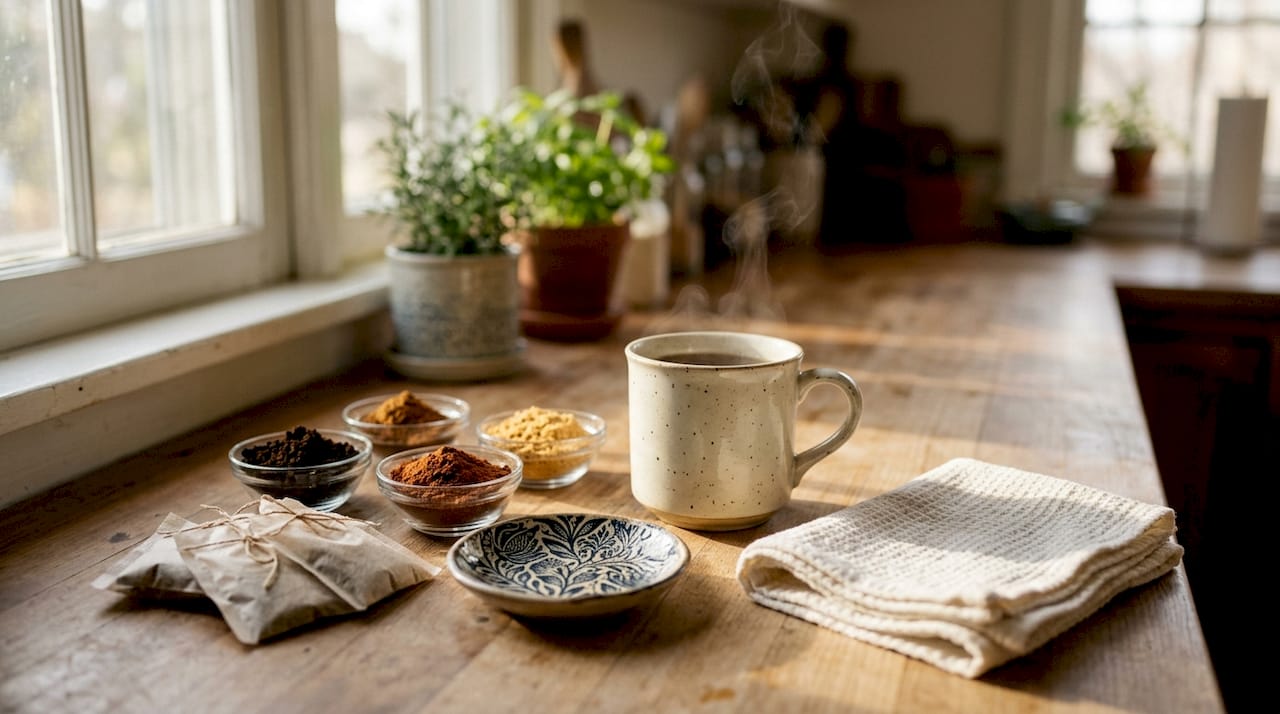
Mushroom tea bags are pre-portioned sachets containing dried mushroom powder, concentrated extracts, or blends of both, designed to steep like standard herbal tea while delivering the functional benefits of medicinal fungi. Brands like The Republic of Tea, Hongo Tea Co, and Birch Boys have made fungi herbal tea accessible to anyone with a kettle and a mug. Whether your goal is relaxation, sharper focus, or immune support, mushroom tea bags offer a low-barrier entry point into the world of functional mushrooms without requiring any specialized equipment or preparation knowledge.
1. What mushroom tea bags are and how they work
Mushroom tea bags differ from standard herbal tea in one critical way: the active compounds they deliver are polysaccharides, specifically beta-glucans, rather than simple plant alkaloids or tannins. Hot water extraction pulls these water-soluble compounds out of the mushroom powder or extract inside the bag. The result is a bioactive infusion that supports immune modulation, cognitive function, or stress adaptation depending on the mushroom species used.
Most bags contain either a single species or a multi-mushroom blend, sometimes combined with complementary botanicals like ashwagandha, tulsi, or cacao. The convenience factor is real. You get a measured dose, a consistent flavor profile, and zero prep beyond boiling water.
2. The most common mushroom species in tea bags
The species inside the bag determines the effect you get. Here is what each major variety delivers:
- Reishi (Ganoderma lucidum): Known for relaxation and stress reduction. Earthy, slightly bitter flavor. Best consumed in the evening.
- Lion’s mane (Hericium erinaceus): Associated with cognitive support and nerve growth factor stimulation. Mild, seafood-like taste that blends well with other botanicals.
- Chaga (Inonotus obliquus): High antioxidant content. Dark, coffee-adjacent flavor that makes it one of the most palatable single-species options.
- Cordyceps (Cordyceps militaris): Linked to energy and athletic endurance. Earthy and mild, often blended with green tea or ginger.
- Maitake (Grifola frondosa): A double-blind clinical trial found that maitake intake over 18 weeks improved cognitive scores in healthy adults aged 60 and older. That is a meaningful result from a controlled study, not just anecdote.
- Turkey tail (Trametes versicolor): Rich in PSK and PSP polysaccharides. Supports immune function and gut health. Mild, woody flavor.
Pro Tip: Choose your mushroom based on your primary goal. Reishi for wind-down rituals, lion’s mane or maitake for morning focus, cordyceps as a pre-workout alternative, and chaga when you want antioxidant support with a flavor you actually enjoy.
3. How to brew mushroom tea bags for the best results
Proper brewing is not complicated, but small mistakes reduce both flavor and potency. Follow these steps for consistent results:
- Heat your water to a full boil. Unlike delicate green teas that scorch at high temperatures, mushroom tea bags benefit from boiling water. It maximizes polysaccharide extraction from the powder or extract inside the bag.
- Use 6 oz of water per bag. The recommended steep ratio from The Republic of Tea’s SuperShroom line calls for 6 oz and a 5 to 7 minute steep. This ratio concentrates the bioactive compounds without making the tea unpleasantly bitter.
- Steep for 5 to 7 minutes. Do not rush it. Under-steeping leaves compounds in the bag. Over-steeping can degrade delicate botanical ingredients blended with the mushroom powder.
- Add a fat source if you want fuller reishi benefits. Hot-water brewing extracts polysaccharides but misses lipophilic triterpenoids. A teaspoon of coconut oil or a splash of whole milk in your reishi tea helps pull those fat-soluble compounds into the cup.
- For iced mushroom tea, brew double-strength using one bag in 4 oz of boiling water, steep the full 7 minutes, then pour over ice. This prevents dilution from watering down the active compounds.
Pro Tip: Always follow the brand’s specific instructions first. Formulations vary widely. Some bags use concentrated dual extracts that require shorter steeps, while others use raw powder blends that need the full 7 minutes.
Contrast this with making tea from dried mushrooms directly. That decoction method requires simmering for 15 to 45 minutes at 85 to 90°C to break through the chitin cell walls and release active polysaccharides. Reishi needs close to 45 minutes. Chaga and lion’s mane need 15 to 20 minutes. Tea bags skip all of that because the mushroom material is already processed into powder or extract before packaging.
4. What the research says about mushroom tea benefits
The health claims around mushroom tea are grounded in real biology, but the regulatory picture is clear. Products like The Republic of Tea’s SuperShroom line carry standard FDA disclaimers stating they are not intended to diagnose, treat, cure, or prevent any disease. That framing is legally required, not a sign that the compounds are inert.
Here is what the evidence actually supports by species:
- Reishi: Adaptogenic and calming. Supports parasympathetic nervous system activity. Relevant for sleep quality and stress reduction.
- Maitake: The strongest clinical evidence in the tea bag category. Cognitive improvement in older adults confirmed in a controlled trial.
- Cordyceps: Hongo Tea Co’s Pure Energy product contains less than 2 mg caffeine per serving while still delivering energy support through cordyceps fruiting body powder. That is a meaningful distinction for people who are caffeine-sensitive but want sustained energy.
- Lion’s mane: Supports nerve growth factor production. Most studied for memory and focus applications.
- Chaga: Antioxidant-rich. Supports oxidative stress reduction. Less studied in human trials than reishi or maitake.
Safety matters here. Reishi affects blood clotting and anyone on blood thinners or scheduled for surgery within two weeks should consult a clinician before using reishi or turkey tail products. People with autoimmune conditions or those taking immunosuppressants should treat mushroom tea as a bioactive supplement with real pharmacological interactions, not just a pleasant drink. The cognitive benefits from maitake may relate to immune activation pathways, which is exactly why immune-modulating mushrooms require caution in certain populations.
5. How mushroom tea bags compare to other formats
Understanding where tea bags fit in the broader mushroom supplement picture helps you make a smarter choice for your specific goals.
| Format | Brewing time | Bioactive spectrum | Convenience | Typical dosage |
|---|---|---|---|---|
| Tea bags | 5 to 7 minutes | Water-soluble compounds (beta-glucans) | Very high | 250 to 500 mg extract |
| Loose leaf decoction | 15 to 45 minutes | Beta-glucans, some triterpenoids | Low | Variable |
| Dual extract tincture | None | Full spectrum (water + ethanol) | High | 1 to 2 mL per dose |
| Capsules | None | Depends on extraction method | Very high | 500 mg to 1,500 mg |
| Dried mushrooms | 15 to 45 minutes | Beta-glucans, partial triterpenoids | Low | Variable |
Tea bags win on convenience and daily ritual integration. They deliver consistent water-soluble compounds in a format that fits naturally into a morning or evening routine. Where they fall short is in lipophilic compound delivery. Dual extract tinctures and mushroom capsules cover a broader bioactive spectrum because they combine hot-water and ethanol extraction methods.
Pro Tip: If you want clinical-strength effects, pair your daily mushroom tea bag ritual with a dual extract capsule or tincture. The tea handles the beta-glucan delivery and the ritual; the extract covers the full-spectrum compounds your tea bag cannot reach.
For a deeper look at how dried mushrooms and capsules compare as daily formats, the dried mushrooms vs capsules guide covers preparation, dosage, and bioavailability in detail.
6. What to look for when buying mushroom tea bags
Not all mushroom tea bags are equal. These are the quality markers worth checking before you buy:
- Organic certification: Mushrooms are bioaccumulators. They absorb heavy metals and pesticides from their growing substrate. Certified organic sourcing is not a marketing add-on. It is a meaningful safety distinction.
- Plastic-free packaging: Sullivan Street Tea & Spice markets 100% biodegradable plant starch pyramid tea bags. Conventional nylon or polypropylene bags release microplastics into hot water. This matters for both your health and the environment.
- Fruiting body vs mycelium: Fruiting body products contain higher concentrations of active beta-glucans. Mycelium-on-grain products often contain significant starch filler from the grain substrate. Check the label.
- Third-party lab testing: Reputable brands publish certificates of analysis confirming beta-glucan content, heavy metal testing, and microbial safety. If a brand does not make this information available, that is a red flag.
- No artificial flavors or fillers: Some budget products use mushroom flavor compounds rather than actual mushroom extract. Read the ingredient list carefully.
- Transparent dosage: The bag should state the amount of mushroom extract or powder per serving. Proprietary blends that hide individual ingredient amounts make it impossible to assess potency.
Key takeaways
Mushroom tea bags deliver real functional benefits when you choose the right species, brew correctly, and select products with verified organic sourcing and plastic-free packaging.
| Point | Details |
|---|---|
| Species determines effect | Choose reishi for relaxation, maitake or lion’s mane for cognition, cordyceps for energy. |
| Brew at full boil for 5 to 7 minutes | Follow brand instructions; over-steeping degrades delicate botanical ingredients. |
| Add fat for reishi triterpenoids | Coconut oil or whole milk helps extract lipophilic compounds hot water alone cannot reach. |
| Check for fruiting body and lab testing | Fruiting body products have higher beta-glucan content; third-party testing confirms potency and safety. |
| Consult a clinician if on blood thinners | Reishi and turkey tail affect blood clotting and interact with anticoagulant medications. |
Why I think the ritual matters as much as the mushroom
Here is something most mushroom tea content skips entirely: the act of brewing a cup of tea is itself a stress-reduction tool. Slow, intentional preparation activates the parasympathetic nervous system before the reishi even hits your bloodstream. When I started treating my evening lion’s mane tea as a non-negotiable 10-minute wind-down ritual rather than just a supplement delivery mechanism, the perceived benefit doubled. That is not placebo. That is behavioral design working alongside biochemistry.
My personal preference leans toward chaga and lion’s mane blends in the morning. Chaga’s coffee-like depth makes the transition away from a second espresso genuinely painless, and lion’s mane keeps the focus sharp without the cortisol spike. For evenings, a straight reishi bag with a teaspoon of coconut oil in warm oat milk is hard to beat.
The honest limitation of tea bags is the lipophilic compound gap. If you are using mushroom tea for serious cognitive or immune support goals, tea bags alone probably will not get you to clinical-strength doses. They are excellent for daily maintenance, ritual, and water-soluble compound delivery. For deeper therapeutic goals, pairing them with a quality extract or capsule makes more sense than relying on tea bags exclusively. The entourage effect in mushroom blends is real, and combining formats is one practical way to access it.
— Juiced
Expand your mushroom wellness routine with Elevated Remedies
If mushroom tea bags have you curious about what else functional fungi can do, Theelevatedremedies carries products that go well beyond the cup. Located at 1123 Broadway St in Ann Arbor, Michigan, the shop stocks mushroom capsules that deliver full-spectrum extracts at clinical-strength doses, a practical complement to your daily tea bag ritual. For those ready to explore something genuinely different, the Amanita muscaria page covers one of the most fascinating and misunderstood mushrooms in the wellness space. The team at Theelevatedremedies is there to help you figure out what fits your goals, whether you are just starting out or already deep into your mushroom wellness practice.
FAQ
What mushrooms are most common in tea bags?
Reishi, lion’s mane, chaga, cordyceps, maitake, and turkey tail are the most widely used species. Many products blend two or more species to target multiple wellness goals simultaneously.
How long should you steep mushroom tea bags?
Most mushroom tea bags steep best in 6 oz of boiling water for 5 to 7 minutes. Following the brand’s specific instructions is the most reliable approach, since formulations vary.
Are mushroom tea bags caffeinated?
Most mushroom tea bags are caffeine-free or contain very low amounts. Hongo Tea Co’s Pure Energy product, for example, contains less than 2 mg of caffeine per serving, making it suitable for caffeine-sensitive individuals.
Can anyone drink mushroom tea safely?
Most healthy adults can consume mushroom tea without issues. People on blood thinners, immunosuppressants, or scheduled for surgery should consult a clinician first, since reishi and turkey tail affect blood clotting and immune function.
Do mushroom tea bags work as well as capsules or extracts?
Tea bags deliver water-soluble beta-glucans effectively but miss lipophilic compounds like reishi triterpenoids. Capsules and dual extracts cover a broader bioactive spectrum, making them a stronger option for clinical-strength supplementation goals.
Recommended
- Mushroom psilocybin tea: Michigan wellness guide – Elevated Remedies
- Michigan mushrooms for wellness: Laws, benefits, and safe use – Elevated Remedies
- Magic mushroom blends: Evidence, wellness & practical tips – Elevated Remedies
- Why Use Mushroom Gummies for Your Wellness Routine – Elevated Remedies