TL;DR:
- Microdosing magic mushroom blends involves combining psilocybin with functional mushrooms, but scientific evidence for consistent benefits remains mixed and influenced by expectancy effects. Ann Arbor’s decriminalization fosters a curious, research-oriented community, emphasizing transparency, protocol, and careful tracking to maximize safety and insight. Choosing high-quality, transparent products and maintaining realistic expectations are essential for a safe, effective microdosing experience grounded in current research realities.
Plenty of Ann Arbor residents are talking about magic mushroom blends right now, and the curiosity is completely understandable. The city has always leaned forward when it comes to wellness trends, and psilocybin products have moved from fringe conversation to mainstream interest faster than almost anyone predicted. But here’s the thing most people don’t hear before they walk into a dispensary: the science behind microdosing blends is genuinely mixed, expectation plays a much bigger role than most product descriptions admit, and the gap between marketing claims and controlled research findings is wide enough to matter. This guide is here to close that gap.
Table of Contents
- Understanding magic mushroom blends: Definitions and local relevance
- What the science actually says: Evidence for and against microdosing benefits
- Practical risks, protocol tips & what most people miss
- Choosing quality magic mushroom blends in Ann Arbor
- The uncomfortable truth: Expectation is part of the blend
- Ready to explore blends? Elevated Remedies offers trusted options
- Frequently asked questions
Key Takeaways
| Point | Details |
|---|---|
| Scientific evidence is mixed | Not all claims about magic mushroom blends are backed by consistent scientific results. |
| Protocols shape outcomes | Careful tracking, dose management, and expectations play a key role in microdosing results. |
| Quality blends matter | Choose products with transparent sourcing and verified ingredients for best safety and reliability. |
| Expect effects to vary | Individual wellness benefits depend on personal factors, mindset, and product choice. |
| Ann Arbor has trusted options | Local sources make it easier to find quality blends, capsules, and gummies if you know what to look for. |
Understanding magic mushroom blends: Definitions and local relevance
Before you can evaluate any claims about blends, you need to know exactly what you’re dealing with. A magic mushroom blend is simply a product that combines two or more mushroom species or mushroom-derived compounds, often with the goal of layering complementary effects or improving consistency. The most common core ingredient is psilocybin-containing mushrooms (like Psilocybe cubensis), but many blends also incorporate functional mushrooms such as lion’s mane, reishi, or chaga, which do not contain psilocybin and are associated with different wellness effects.
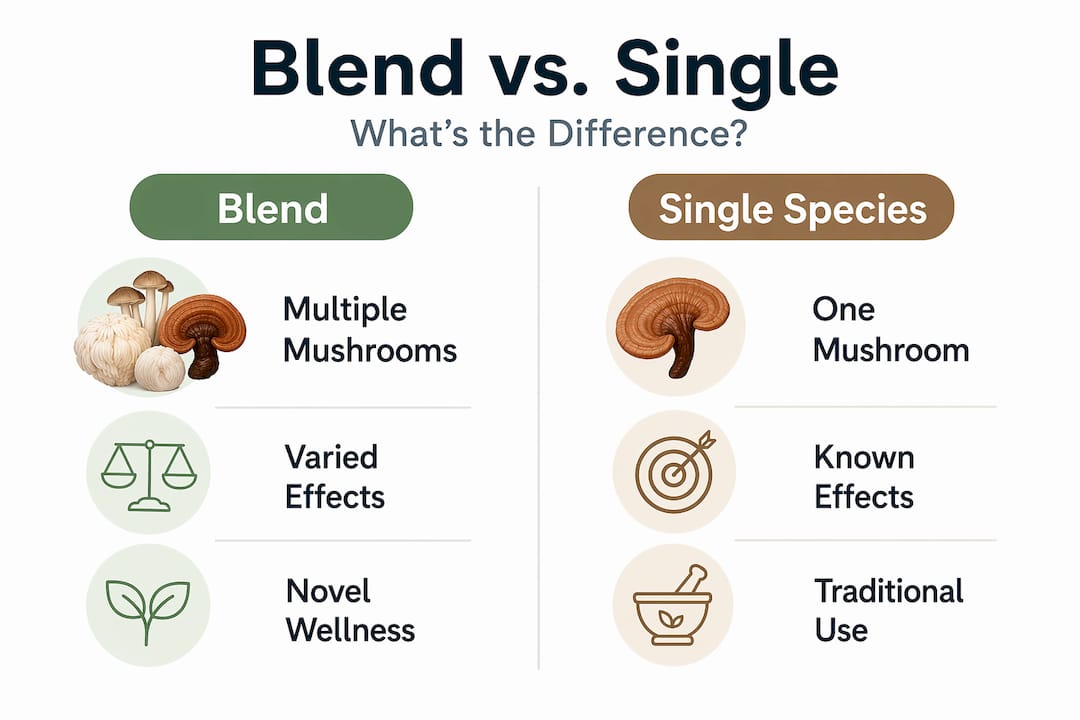
Some blends on the market feature Amanita muscaria, a completely different species that contains muscimol rather than psilocybin, which produces a distinct set of effects. Knowing which active compound you’re actually consuming matters enormously when you’re trying to interpret what you feel or compare it to what a study measured.
Key terms you’ll see and what they actually mean:
- Microdosing: Taking a sub-perceptual dose on a structured schedule, typically one-tenth to one-twentieth of a full psychedelic dose
- Sub-perceptual: Below the threshold where you notice obvious psychedelic effects
- Protocol: The specific schedule you follow (the Fadiman Protocol, for example, uses one day on, two days off)
- Blend: A combination of mushroom species or compounds in one product
- Functional mushrooms: Non-psychedelic mushroom species added for adaptogenic or nootropic effects
Ann Arbor has a unique relationship with psilocybin. The city effectively decriminalized natural psychedelics in 2020, which created space for a local market and a community of curious, educated users who want real information rather than hype. Our Ann Arbor mushroom dispensary guide covers the legal landscape in more depth if you want that context first.
Microdosing is described as sub-perceptual doses taken on a structured schedule, but empirical evidence for reliable cognitive and emotional benefits is mixed and sensitive to methodology, placebo effects, and dosing inconsistency across individuals. That’s a critical starting point. Blends are popular partly because they allow formulators to combine effects, smooth out the experience, and improve batch-to-batch consistency, but those practical advantages don’t automatically translate into guaranteed wellness outcomes.
Pro Tip: Before you try any blend, read the ingredient label carefully and look for the specific mushroom species listed. A product that just says “mushroom blend” without naming each species is a red flag for transparency.
The reason blends have taken off locally is simple: Ann Arbor residents tend to be health-conscious, research-adjacent (the university culture is real), and open to exploring wellness tools outside the mainstream. Pairing that mindset with products that combine psilocybin and functional mushrooms feels intuitive. Understanding the psilocybin dosage guide relevant to your goals is a smart first step before choosing any blend.
What the science actually says: Evidence for and against microdosing benefits
Now that you know what blends are and why Ann Arbor is interested, let’s look at what the research actually shows. The honest answer is: it’s complicated.
Most popular claims about microdosing come from observational studies and self-reported surveys. These are useful for generating hypotheses but not for proving cause and effect. Participants in observational studies know what they’re taking, which introduces powerful expectancy effects. In other words, if you believe something will help you focus, you may report better focus regardless of the pharmacological reality.
“Placebo-controlled, double-blind work suggests that some commonly reported enhancement claims may not hold reliably once blinding and expectancy are controlled.” Double-blind psilocybin trials highlight this edge case directly for people seeking wellness guidance.
Key domains where benefits are claimed and what the evidence actually shows:
- Wellbeing and mood: Self-reported improvements are common in surveys; controlled trials show inconsistent results with some null findings after statistical correction
- Cognitive performance: Anecdotal reports are enthusiastic; blinded trials show weak to no reliable enhancement compared to placebo
- Productivity and creativity: Very commonly cited by users; not yet supported by robust controlled data
- Emotional regulation: Some positive signals in naturalistic studies; clinical evidence remains heterogeneous and inconsistent across studies
- Anxiety and depression: The most promising area, with some clinical trial support for full-dose psilocybin; microdosing evidence is thinner
| Domain | Self-reported (surveys) | Controlled trial outcome |
|---|---|---|
| Mood and wellbeing | Frequently positive | Mixed, some null results |
| Focus and cognition | Often reported improved | Weak or non-significant |
| Creativity | Widely reported | No reliable evidence yet |
| Emotional regulation | Moderate positive reports | Inconsistent across studies |
| Anxiety reduction | Commonly cited | Limited, mixed data |
The table tells a story. There’s a gap between what people say they experience and what shows up when researchers control for placebo. That gap doesn’t mean blends don’t work for you personally. It means you can’t rely on population-level wellness guarantees.
Psilocybin chocolate wellness products are among the most popular blend forms partly because chocolate improves palatability and allows for more precise portioning. If you’re also thinking about workflow integration, our guide on psilocybin microdosing productivity offers a practical framework for structuring your protocol around your actual schedule.
The takeaway here isn’t discouragement. It’s calibration. Going in with realistic expectations means you’re more likely to notice genuine, subtle effects rather than chasing a result that the current evidence doesn’t reliably support.
Practical risks, protocol tips & what most people miss
With the evidence on the table, the next question is: how do you actually approach this safely and thoughtfully? There are real risks, both obvious and overlooked, and the protocol you follow matters more than most product descriptions suggest.
Common risks people underestimate:
- Dosing inconsistency: Even well-made blends can vary between batches; this is why tracking your responses matters
- Drug interactions: Psilocybin can interact with SSRIs, lithium, and other medications; consult a healthcare provider if you’re on any prescription
- Legal uncertainty: Ann Arbor’s decriminalization has limits and doesn’t cover every product type or quantity
- Protocol drift: Starting strong and then abandoning your schedule makes it much harder to evaluate whether the blend is doing anything useful
- Over-expectation: Entering with high expectations can create the illusion of benefit or, worse, disappointment when results are subtle
The effects of blinding and expectancy in psilocybin microdosing research directly supports this: expectancy and blinding conditions can change perceived outcomes. This is not a reason to dismiss microdosing. It is a reason to track your results carefully before drawing conclusions. Keep a simple journal. Rate your mood, focus, and energy on both dosing days and non-dosing days. Compare them honestly over four to six weeks.
Microdosing is also framed in clinical literature as a way of minimizing intoxication risk compared to full-dose approaches, which is worth noting if you’re new to psychedelics and primarily interested in wellness rather than a full experience.
Pro Tip: Use a five-point scale to track mood and focus each morning, regardless of whether it’s a dosing day. After four weeks, you’ll have actual data about your own response instead of just impressions.
Our guides on safe mushroom wellness tips, the step-by-step mushroom effects workflow, and the mushroom dosage guide are all worth reading together before you start your first protocol.
One area getting more attention is combining psilocybin blends with CBD or CBG for potential synergistic effects. The idea is that cannabinoids may help reduce anxiety around the experience and support overall nervous system balance. CBD and CBG wellness research is exploring related synergistic outcomes, though direct evidence for the psilocybin combination remains early. If you’re considering this, start with very low doses of both and give your body time to adjust before layering compounds.
Starting low is not just a safety cliché. It’s the single most practical thing you can do to get meaningful information about your response. Start at the lower end of the recommended dosing range, hold that dose for at least two full protocol cycles before adjusting, and resist the urge to increase just because you “don’t feel anything.” Subtle is the point.

Choosing quality magic mushroom blends in Ann Arbor
After you understand protocols and risks, the practical question becomes: how do you pick a quality product? Not all blends are created equal, and in an emerging market, quality signals matter more than brand names alone.
What actually makes a blend high quality:
- Species transparency: Every mushroom in the blend is named on the label, not just listed as “proprietary blend”
- Dose disclosure: The amount of psilocybin or muscimol per serving is clearly stated
- Consistent manufacturing: Products made with repeatable processes are more likely to deliver consistent doses
- Third-party verification: Some brands test for potency and contamination; ask about this at the dispensary
- Clear sourcing: You should be able to find out where the mushrooms were grown and how they were processed
There is no single agreed-upon effect size or universally reliable benefit across cognitive and emotional domains for microdosing, which is exactly why product quality and dosing consistency are so important. If the research can’t promise a specific outcome, at least you can control the consistency of what you’re putting in your body.
| Product form | Pros | Cons |
|---|---|---|
| Capsules | Precise dosing, no taste, portable | Less enjoyable to take, slower onset |
| Chocolates | Enjoyable, easier to share, consistent | Slightly less precise portioning, temperature-sensitive |
| Gummies | Convenient, palatable, easy to split | Varies by brand; some have less consistent dosing |
| Dried mushrooms | Versatile, least processed | Dosing requires a scale, taste is challenging for some |
Questions to ask before buying any blend:
- What mushroom species are in this product and at what ratios?
- How was the potency verified?
- Is there a recommended protocol for this specific product?
- What is the shelf life and proper storage method?
- Does this product contain any other active compounds I should know about?
Understanding the legal context also shapes your purchasing decisions. Our overview of Michigan mushrooms wellness laws is a helpful reference, and if you’re interested in liquid or drink-based formats, our magic mushroom drinks Ann Arbor guide covers those options specifically.
The uncomfortable truth: Expectation is part of the blend
Here’s something most product descriptions won’t tell you: your expectations are an active ingredient. This isn’t mystical thinking. It’s what the controlled trial data actually shows.
Controlled microdosing trials show null or non-robust effects after correction for multiple comparisons in some domains. Researchers aren’t saying microdosing does nothing. They’re saying that when you remove the expectancy effect through blinding, many of the reported benefits shrink considerably. That finding should change how you approach your first protocol.
The people who seem to get the most from magic mushroom blends are not the ones who treat them as a guaranteed upgrade. They’re the ones who come with a specific, modest goal, track their experience carefully, adjust their protocol based on real observations, and stay genuinely curious rather than invested in a particular outcome. That mindset is not easy to maintain, especially when you’ve paid for a product and want it to work. But it’s the honest framework the research supports.
For Ann Arbor residents, the local culture actually supports this approach well. There’s a tradition of skeptical, curious engagement here that fits perfectly with an evidence-aware attitude toward psilocybin wellness. Use the dispensary safety tips as a starting point, ask detailed questions when you shop, and treat your first protocol as an experiment rather than a commitment to a specific result. That’s not lowering your expectations. It’s giving yourself the best possible chance of learning something real.
Ready to explore blends? Elevated Remedies offers trusted options
If you’ve read this far and feel ready to take the next step, we’re here for it. At Elevated Remedies, 1123 Broadway St in Ann Arbor, we carry magic mushroom products sourced specifically for quality and dosing consistency, which matters for everything this article has covered.
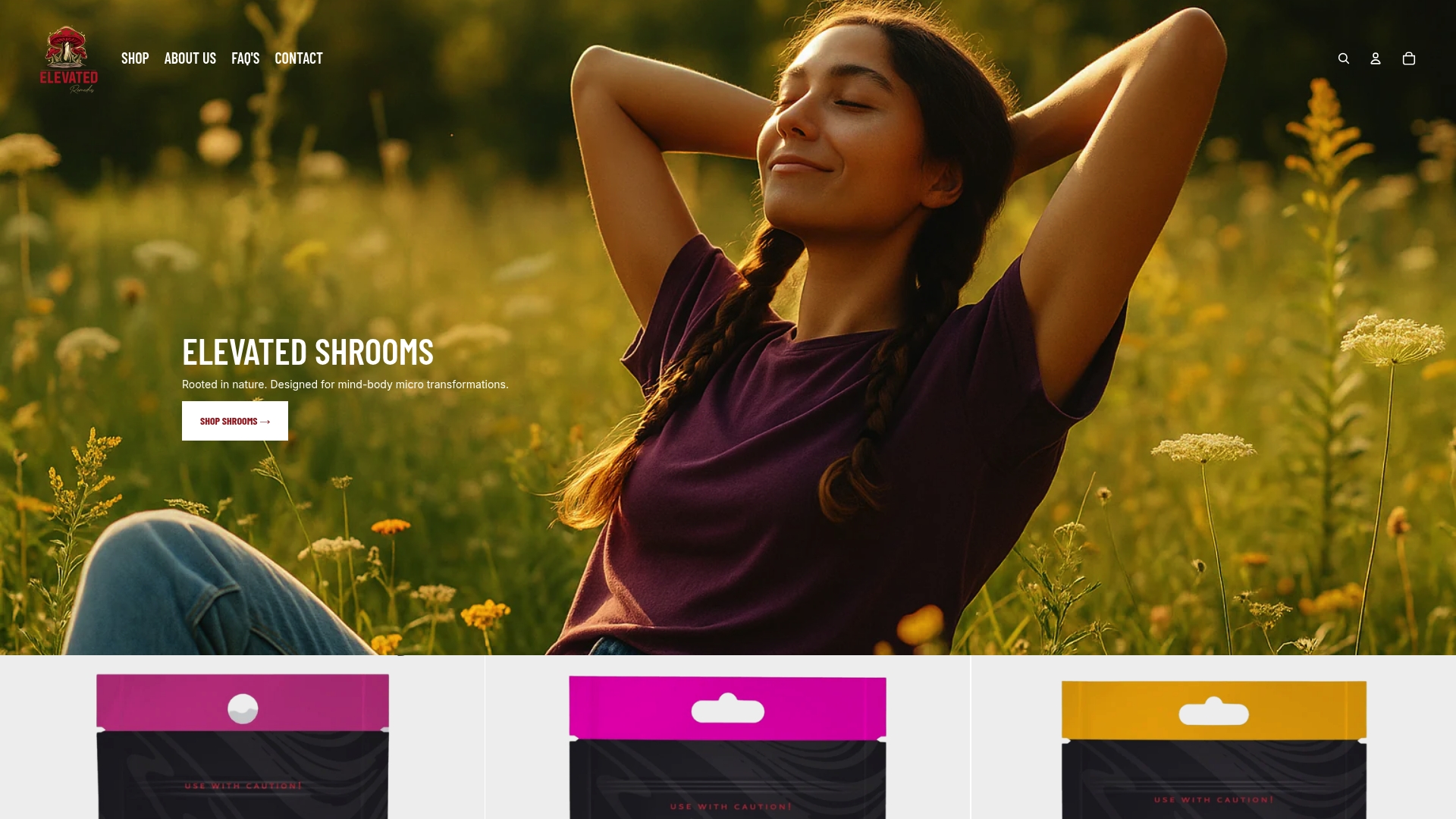
Our mushroom capsules are a great entry point for first-time microdosers who want precise, predictable doses without any guesswork. If you’re curious about Amanita muscaria specifically, our 1500mg Amanita muscaria mushroom gummies are a popular choice for those who want to explore muscimol-based effects. You can also learn more on our Amanita muscaria info page before you decide. Come in, ask our team your specific questions, and leave with a product that actually fits your goals.
Frequently asked questions
Are magic mushroom blends legal in Ann Arbor?
Ann Arbor decriminalized natural psychedelics in 2020, making enforcement a low priority locally, but legality varies by product type and quantity, and state-level law still applies in some contexts. Always check current regulations before purchasing.
How long before effects are noticeable when microdosing blends?
Effects from microdosing are subtle by design and typically require several weeks of consistent protocol before meaningful patterns emerge. A naturalistic prospective survey found higher self-reported wellbeing scores on microdosing days compared to non-dosing days, though individual timelines vary widely.
Can magic mushroom blends be combined with CBD for wellness?
Some users combine blends with CBD in hopes of reducing anxiety and enhancing overall balance, but direct scientific evidence for this combination is still early. CBD and CBG research continues to explore synergistic wellness outcomes in related areas.
Do controlled studies prove microdosing blends are effective?
Not conclusively. Controlled microdosing trials show null or non-robust effects in some domains after statistical correction, and two randomized, double-blind, placebo-controlled trials reported no significant improvements compared to placebo in several measured outcomes.
Recommended
- Magic Mushrooms Explained: Science, Safety & Wellness Guide – Elevated Remedies
- Top magic mushroom wellness tips for safe, effective use – Elevated Remedies
- Michigan mushrooms for wellness: Laws, benefits, and safe use – Elevated Remedies
- Mushroom halo benefits: Wellness, microdosing, and mental health – Elevated Remedies