
TL;DR:
- Preparing for a high potency mushroom experience involves aligning mindset, environment, dosage, and integration planning to reduce risks and improve clarity. Proper mental preparation, clear intentions, and a sober sitter are essential for safety and a meaningful trip. Physical space, careful dosing, and post-session reflection further enhance the experience and support effective integration.
Preparing for a high potency mushroom experience is defined as the deliberate alignment of your mindset, physical condition, environment, and dosage before a psilocybin session. The recognized framework in harm reduction circles calls this “set and setting,” a term coined by Timothy Leary and later validated by clinical researchers at institutions like Johns Hopkins and Beckley Retreats. Get these four factors right, and you dramatically reduce risk while increasing the clarity and depth of what you take away. Skip them, and even a modest dose can become overwhelming.
How to prepare for a high potency mushroom experience
Preparation is the single most important variable in any psilocybin session. Dose matters, but your mental state and environment shape the experience more than the number of grams you consume. Harm reduction experts and clinical researchers agree: the work you do before the session determines what happens during it.
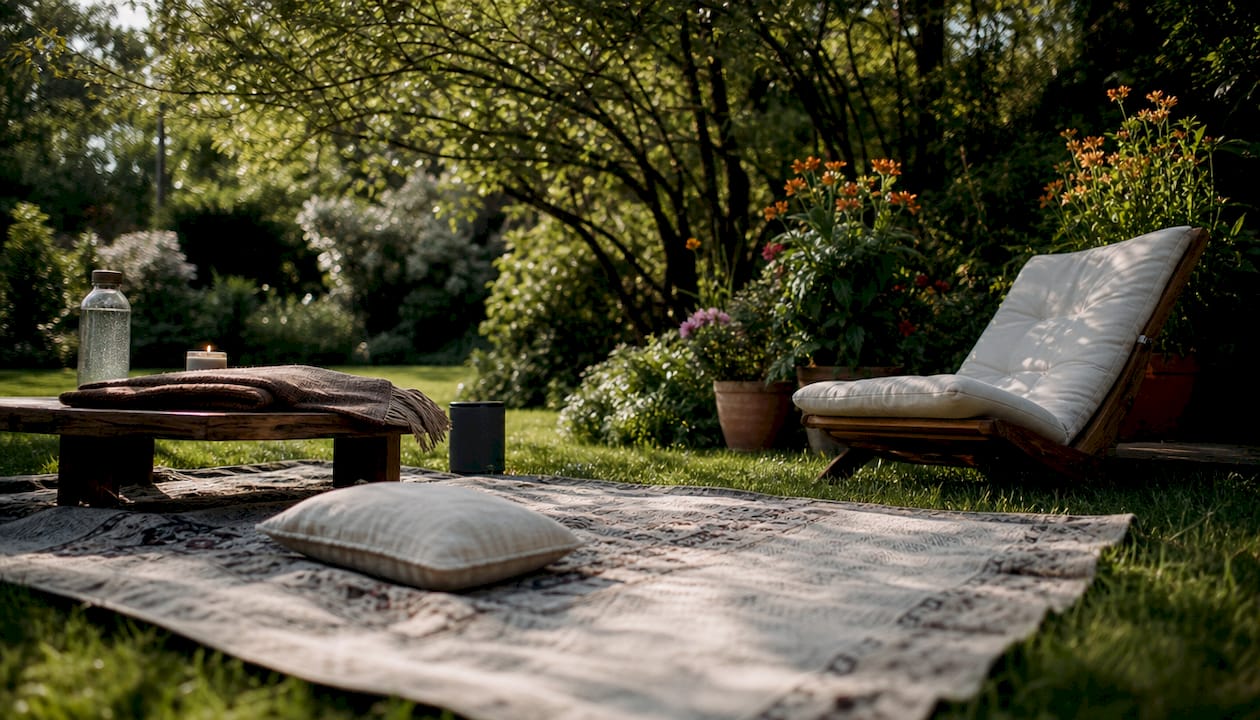
The four pillars of preparation are set (mindset), setting (environment), dosage, and integration planning. Each one is non-negotiable for a high potency session. Skipping any pillar is like driving on three tires.
What mindset do you need before a high potency session?
Your mindset shapes the quality of the trip more than any other single factor. Psilocybin amplifies your current mental state rather than replacing it, which means unresolved stress, grief, or conflict will intensify, not disappear. Beckley Retreats advises resolving acute internal or external conflicts before using psilocybin. That is not a suggestion. It is a prerequisite.
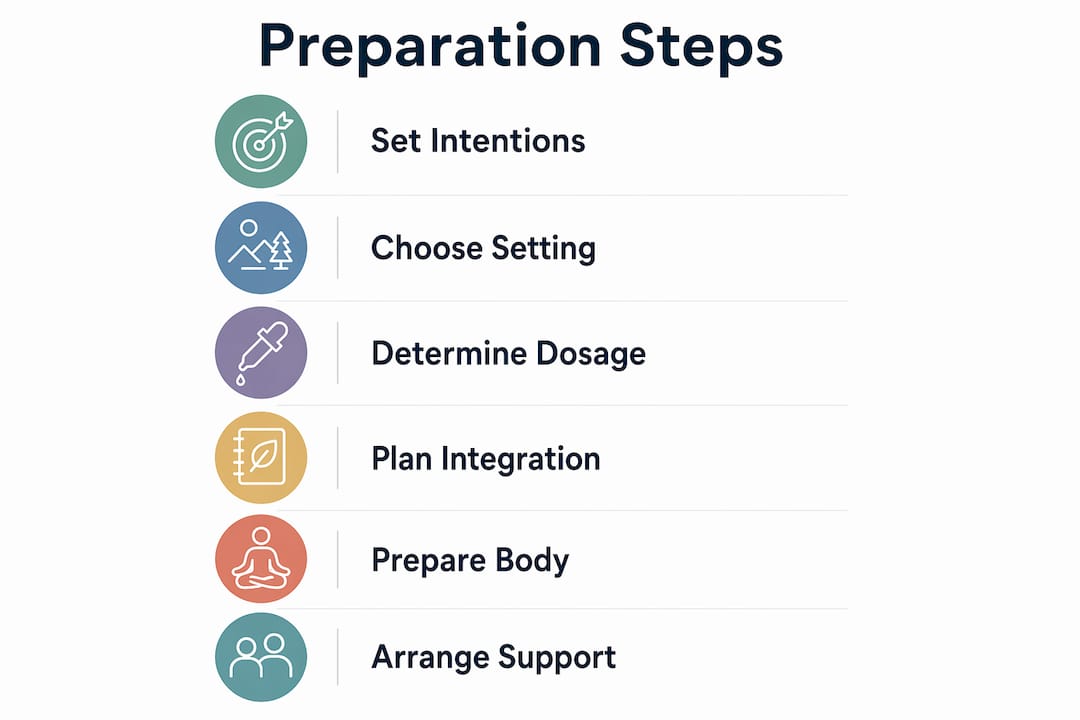
Intention setting is the practical tool for mental preparation. Specific intentions lead to clearer, more directed experiences compared to vague goals. “Explore my relationship with anger” is a workable intention. “Heal everything” is not. The difference matters because your unconscious mind needs a direction, not a wish.
Three techniques work well for mental preparation before a session:
- Journaling: Write out your current emotional state, what you hope to understand, and any fears you want to acknowledge. Naming a fear reduces its power during the session.
- Meditation: Even 10 minutes of breath-focused meditation the morning of your session lowers baseline anxiety. A calmer starting point means a calmer experience.
- Conversation: Talk through your intentions with a trusted person, ideally your trip sitter. Saying your intentions out loud makes them concrete.
Pro Tip: Never approach psilocybin as an escape from a problem. The substance amplifies what is already present. If you are running from something, the session will run you toward it.
What are the dosage and harm reduction essentials?
Careful dosing and a sober sitter present reduce session risks substantially. This is not opinion. A sober, trusted trip sitter is recommended for all first-time experiences and any dose exceeding 2 grams. That threshold exists because effects above 2 grams can include strong perceptual distortion, emotional intensity, and temporary disorientation.
General dose ranges for dried psilocybin mushrooms break down as follows:
- Threshold (0.1–0.5g): Subtle mood lift, mild sensory enhancement. Suitable for absolute beginners testing sensitivity.
- Low dose (0.5–1.5g): Light perceptual changes, relaxed body feeling. Good for first full experiences.
- Moderate dose (1.5–3.5g): Clear psychedelic effects, emotional depth, possible visuals. Requires preparation and a sitter.
- High dose (3.5g and above): Intense perceptual and emotional experience. Requires thorough preparation, an experienced sitter, and a well-controlled environment.
For a detailed Michigan-specific dosage breakdown, Theelevatedremedies publishes a full guide covering harm reduction steps for each level.
Your sitter’s role goes well beyond sitting in the room. A trip sitter must be informed of your dose, location, duration, and emergency contacts. That briefing makes them an active harm reduction partner, not just a babysitter.
A sitter who knows your exact dose, your session start time, and your emergency contacts can make a life-saving decision in a crisis. A sitter who just “shows up” cannot. Brief your sitter in writing before the session begins.
One of the most common dosing errors is re-dosing too soon. Dosing errors like re-dosing too early often lead to more intense reactions. If you feel nothing after 90 minutes, wait at least one more hour before considering a supplemental dose. Psilocybin onset varies widely based on metabolism, food intake, and product form.
Pro Tip: Write your sitter a one-page briefing that includes your dose, the time you took it, your session location, your emergency contact, and one sentence on when to call for help. Hand it to them before you begin.
How should you prepare your body and environment?
Optimizing your body and physical space minimizes distractions and discomfort during the session. Physical preparation starts 24–48 hours before the session, not the morning of.
Physical preparation steps that positively impact session quality include:
- No alcohol for 24 hours prior. Alcohol disrupts sleep quality and increases anxiety, both of which worsen session outcomes.
- Reduce cannabis use for several days before. Cannabis can unpredictably amplify psilocybin effects, especially at high doses.
- Get adequate sleep the night before. Fatigue amplifies emotional reactivity, which is the last thing you want at high doses.
- Light exercise the day before. A walk or yoga session reduces cortisol and puts your body in a calmer baseline state.
- Fast for 4–6 hours before ingestion. Fasting reduces nausea and may improve absorption. Eat a light, easy-to-digest meal beforehand if needed.
Your session environment deserves equal attention. The space should be clean, familiar, and free of unexpected visitors or noise. Stock it with blankets, an eye mask, a water bottle, and a bucket within reach. Temperature control matters more than most people expect: psilocybin can cause sudden chills or warmth, so layer your bedding.
Music is a proven session tool. The Johns Hopkins curated playlist for psilocybin sessions moves through stages of opening, peak, and integration. That structure mirrors the natural arc of a session and reduces the chance of jarring sonic interruptions at sensitive moments. Silence your phone completely before you begin.
| Preparation area | Key action | Timing |
|---|---|---|
| Alcohol | Avoid for 24 hours before | 24 hours prior |
| Cannabis | Reduce use | Several days prior |
| Food | Fast lightly | 4–6 hours before |
| Sleep | Full night of rest | Night before |
| Environment | Clean, familiar, stocked | Day of session |
| Music | Curated playlist ready | Before session starts |
Post-session planning is part of preparation, not an afterthought. The 24–48 hours after a session are considered part of the experience itself. Block that time for rest, journaling, and quiet reflection. Theelevatedremedies offers a practical integration guide that walks you through post-session practices step by step.
You might also consider sacred smudging practices as part of your pre-session ritual. Clearing your space with intention before a session is a time-tested way to signal to your mind that the environment is safe and purposeful.
What challenges should you expect and how do you handle them?
Difficult moments during a high potency session are manageable with preparation and practiced strategies. The most common challenges are anxiety spikes, nausea, sensory overload, and confusion about what is real. None of these are emergencies on their own. All of them respond to the same core approach: slow down, breathe, and trust the process.
Practical strategies for each challenge:
- Anxiety: Use box breathing. Inhale for 4 counts, hold for 4, exhale for 4, hold for 4. Repeat until the wave passes. Anxiety during a session is almost always temporary.
- Nausea: Lie still, breathe slowly, and avoid sudden movement. Ginger tea prepared in advance can help. Most nausea peaks within the first 30–60 minutes and then fades.
- Sensory overload: Close your eyes, put on the eye mask, and focus on the music. Reducing visual input is the fastest way to lower stimulation.
- Confusion or fear: Your sitter’s presence is the most powerful tool here. A calm hand on the shoulder and a quiet voice saying “you are safe, this will pass” can redirect a difficult moment within minutes.
Write a few grounding phrases on a notecard and leave it visible in your session space. Phrases like “This will pass,” “I am safe,” and “I chose this” are simple but effective anchors when your thinking becomes distorted.
Pro Tip: Tell your sitter your two or three most common anxiety triggers before the session. If those triggers surface during the experience, your sitter will recognize them and know exactly how to respond.
For a deeper look at the benefits of a skilled sitter, Theelevatedremedies covers what to look for and how to brief someone effectively.
Key Takeaways
Safe and effective high potency mushroom preparation requires deliberate alignment of mindset, dosage, physical condition, and environment before the session begins.
| Point | Details |
|---|---|
| Set clear intentions | Specific intentions like “explore my relationship with fear” produce more directed experiences than vague goals. |
| Use a sober sitter | A briefed sitter who knows your dose, location, and emergency contacts is a required safety measure above 2 grams. |
| Prepare your body | Avoid alcohol for 24 hours, fast for 4–6 hours before ingestion, and prioritize sleep the night before. |
| Control your environment | Use a familiar, clean space with blankets, an eye mask, and a curated playlist ready before you begin. |
| Plan for integration | Block 24–48 hours post-session for rest, journaling, and reflection to solidify what you experienced. |
What I have learned from years of watching people prepare for these sessions
The biggest mistake I see is treating preparation as a checklist rather than a practice. People read the list, check the boxes, and then walk into a high potency session carrying three unresolved arguments and a phone full of notifications. The checklist is not the preparation. The preparation is the internal work.
The second most common mistake is underestimating gradual dose escalation. Experienced users sometimes push to higher doses too quickly because they feel comfortable with the substance. Comfort is not the same as readiness. Every dose increase at the high potency level deserves the same rigor as your first session.
What actually works, in my experience, is treating each session as its own event. The intentions you set last time are not the intentions you need this time. The environment that worked six months ago may need adjustment today. The sitter who was perfect before may need a fresh briefing. Preparation is not a one-time skill. It is an ongoing practice that gets sharper with each session.
Integration is where most of the real value lives, and most people rush it. The 24–48 hours after a high potency session contain insights that will dissolve if you do not capture them. Journal immediately. Talk to someone you trust. Give yourself permission to do nothing else. That window is part of the session, not a recovery period.
— Juiced
Theelevatedremedies: quality products and guidance for your preparation
Theelevatedremedies, located at 1123 Broadway St in Ann Arbor, Michigan, carries dried magic mushrooms, mushroom capsules for microdosing, and mushroom chocolates, all sourced for consistency and quality.
Whether you are planning your first session or refining your approach as an experienced user, the team at Theelevatedremedies can help you choose the right product and format for your goals. The store’s educational blog covers dosage guidance, harm reduction, and session preparation in depth. For those curious about alternatives to psilocybin, the Amanita muscaria product page offers detailed information on a distinct and legal option worth understanding. Stop in or browse online to make an informed choice before your next session.
FAQ
What is the most important first step in mushroom trip preparation?
Setting a specific, clear intention is the most critical first step. Vague goals produce unfocused experiences, while specific intentions give your unconscious mind a direction to follow.
How much psilocybin is considered high potency for a first-time user?
Any dose above 2 grams is considered high potency for first-time users and requires a sober, briefed trip sitter present throughout the session.
How do you prevent nausea during a psilocybin session?
Fasting for 4–6 hours before ingestion reduces nausea and may improve absorption. Lying still and breathing slowly during the onset period also helps significantly.
What should a trip sitter actually do during a session?
A trip sitter should know your exact dose, session start time, location, and emergency contacts. Their role is active harm reduction, including knowing when to call for help, not just passive presence.
How long should you wait before re-dosing if you feel no effects?
Wait at least 90 minutes, then wait one additional hour before considering a supplemental dose. Re-dosing too soon is one of the most common causes of unexpectedly intense reactions.
Recommended
- Step-by-Step Mushroom Effects Workflow for Michigan Microdosing – Elevated Remedies
- Top magic mushroom wellness tips for safe, effective use – Elevated Remedies
- Magic mushroom dosage guide: safe & effective use in Michigan – Elevated Remedies
- Why Start with Beginner Magic Mushrooms: Safe First Steps – Elevated Remedies