
TL;DR:
- Psilocybin tolerance develops rapidly due to brain receptor downregulation and fully resets after two weeks of abstinence. Repeated use diminishes effects within days, making dose escalation ineffective and risky. Respecting proper spacing between sessions is essential for consistent therapeutic and microdosing outcomes.
Psilocybin tolerance is defined as the body’s rapid reduction in response to repeated psilocybin use, driven primarily by the downregulation of serotonin 5-HT2A receptors in the brain. Understanding what is psilocybin tolerance matters whether you’re planning a therapeutic session, building a microdosing routine, or simply trying to get consistent results from magic mushrooms. The core mechanism is pharmacological, not psychological. Your brain physically reduces the number of available receptor sites after exposure, which means the same dose produces noticeably weaker effects the next day. The good news is that this process reverses fully with adequate rest, and knowing the timeline puts you in control.
How quickly does psilocybin tolerance develop and reset?
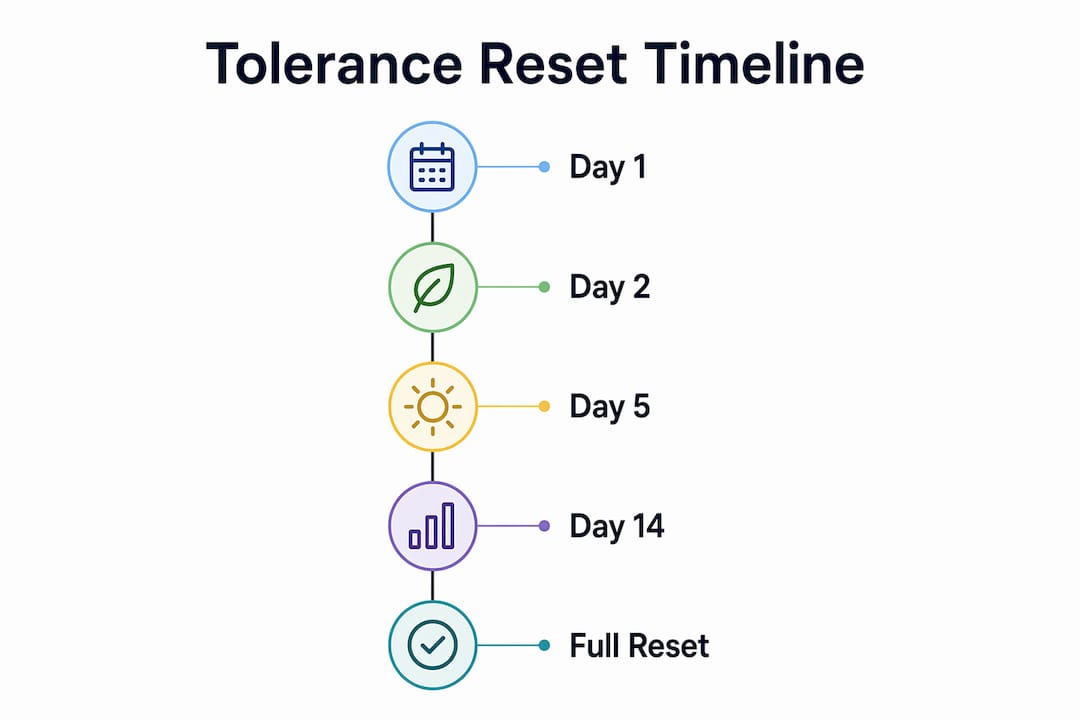
Psilocybin tolerance builds faster than most people expect. Effect reduction starts at 50–75% by day two of consecutive daily use. That means a dose that produced a full experience on day one will feel significantly blunted by day two, even at the same amount.
By days three and four of daily use, tolerance reaches near-complete levels. At that point, taking more psilocybin produces almost no additional effect. This is not a matter of mindset or setting. It is a direct result of receptor internalization, a process where the brain pulls 5-HT2A receptors away from the cell surface so they can no longer respond to psilocin, the active compound psilocybin converts into.
The practical takeaway: Redosing the same day yields minimal added effects regardless of how much you take. Tolerance to psilocybin is nearly instantaneous within a single session, which is why stacking doses during an experience rarely produces proportional results.
Recovery follows a predictable arc. Partial sensitivity returns after four to five days of abstinence. Full baseline sensitivity typically returns after 14 days. Most people find that a seven-day break restores enough sensitivity for a meaningful experience, though a full two-week reset is the gold standard for consistent results.
| Timeline | What happens |
|---|---|
| Day 1 | Full sensitivity, baseline effects |
| Day 2 | 50–75% reduction in psilocybin effects tolerance |
| Days 3–4 | Near-complete tolerance, minimal response |
| Days 4–5 | Partial recovery begins |
| Day 7 | Substantial sensitivity restored |
| Day 14 | Full baseline sensitivity returns |
Pro Tip: Mark your calendar after every psilocybin session. A 14-day countdown removes the guesswork and prevents the frustration of a blunted experience.
What biological mechanisms cause psilocybin tolerance?
The biology behind tolerance to magic mushrooms is specific and well-documented. Psilocybin converts to psilocin in the body, and psilocin acts as a direct agonist at serotonin 5-HT2A receptors. When those receptors are repeatedly stimulated, the brain responds by internalizing them, pulling them off the cell surface and reducing their total number. This process is called receptor downregulation.
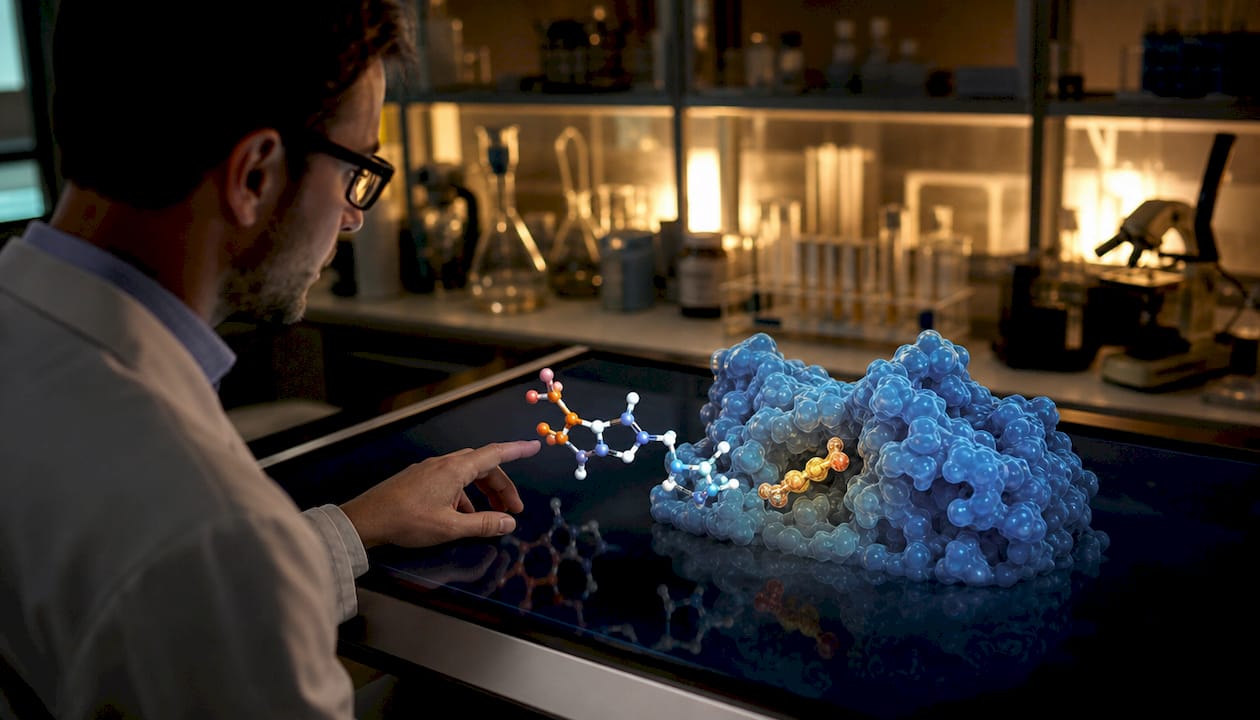
Receptor downregulation is the primary biological cause of reduced psychedelic effects, and it happens without causing physical dependence or withdrawal symptoms. This is a critical distinction. Psilocybin does not create the kind of chemical dependency seen with opioids or alcohol. There is no withdrawal syndrome, no compulsive craving driven by neurochemical imbalance.
Key biological facts about how psilocybin tolerance works:
- 5-HT2A receptor agonism is the starting point. Psilocin binds to these receptors and triggers the psychedelic response.
- Receptor internalization follows repeated stimulation. The brain removes receptors from the cell surface as a regulatory response.
- Downregulation reduces efficacy. Fewer available receptors means weaker effects, even with an identical dose.
- No physical dependence develops. Psilocybin does not cause withdrawal symptoms or compulsive use patterns.
- Cross-tolerance is real. Psilocybin shares cross-tolerance with LSD and mescaline because all three substances act on the same 5-HT2A receptors.
Increasing your dose to push through tolerance does not work. The receptors are simply not available to respond. Attempting to override tolerance with a larger dose raises the risk of adverse effects without delivering proportional benefits.
Pro Tip: If you’ve recently used LSD or mescaline, factor in cross-tolerance before planning a psilocybin session. Your sensitivity will be reduced even if you haven’t taken psilocybin recently.
How does psilocybin tolerance impact microdosing and therapeutic use?
Tolerance is the single most important variable in designing a microdosing schedule. Microdosing protocols like the Fadiman protocol (one day on, two days off) and the Stamets Stack (four days on, three days off) are built specifically around psilocybin’s tolerance curve. Both schedules include mandatory rest days to prevent receptor downregulation from accumulating and eroding the benefits of each dose.
The Fadiman protocol is the more conservative of the two. By dosing every third day, it keeps receptor availability high and effects consistent. The Stamets Stack allows for a slightly longer active window but still resets fully during the three-day break. Understanding the difference between microdosing and full psychedelic experiences helps clarify why these schedules are structured so differently from recreational use patterns.
In clinical therapeutic settings, the spacing is even wider. Protocols for depression and anxiety treatment typically space sessions two to four weeks apart. This serves two purposes:
- Full receptor reset. A two-week gap guarantees baseline sensitivity for each session, maximizing the therapeutic impact of every dose.
- Integration time. Therapeutic outcomes depend heavily on processing the experience between sessions. Rushing the next dose before integration is complete reduces benefit regardless of tolerance status.
- Dose stability. Patients who respect spacing intervals do not need to escalate their dose over time. Those who dose too frequently often find themselves chasing effects with higher amounts, which creates risk without reward.
- Addiction prevention. Rapid tolerance self-limits the frequency of use, which is one reason psilocybin shows a low addiction profile compared to many other substances.
- Protocol compliance. Clinical trials exclude participants who cannot maintain spacing requirements, because tolerance-compromised sessions produce unreliable data and unpredictable outcomes.
For anyone using a psilocybin dosage guide to plan their wellness routine, tolerance is the variable that determines whether your chosen dose will actually work as intended.
What factors influence psilocybin tolerance variability?
Not everyone experiences tolerance at the same rate or intensity. Several factors shape how quickly your sensitivity drops and how fast it returns.
Medication interactions are the most significant external variable. Antidepressants and antipsychotics can block or significantly reduce psilocybin’s effects. Selective serotonin reuptake inhibitors (SSRIs) and serotonin-norepinephrine reuptake inhibitors (SNRIs) both affect serotonin receptor activity, which directly interferes with psilocin’s mechanism of action. People on these medications are routinely excluded from clinical trials for this reason.
Other factors that shape individual tolerance variability include:
- Dosing frequency. Daily use collapses sensitivity within days. Weekly use maintains much better baseline response.
- Individual receptor dynamics. Genetics influence how quickly your brain internalizes and re-expresses 5-HT2A receptors. Some people reset faster than others.
- Cross-tolerance from other psychedelics. Recent LSD or mescaline use reduces sensitivity to psilocybin through shared receptor pathways.
- Body composition and metabolism. These affect how quickly psilocybin converts to psilocin and how long it remains active.
- Vulnerable populations. People who are pregnant, have a personal or family history of psychosis, or are managing certain mental health conditions face additional safety considerations that go beyond tolerance management alone.
Research gaps remain significant for vulnerable populations. Current clinical data comes primarily from carefully screened adult participants. Extrapolating tolerance timelines to people with complex psychiatric histories or those on multiple medications requires caution and, ideally, medical guidance.
Supporting your body during abstinence intervals matters too. Some people find that cannabis for body relaxation helps manage the rest days between psilocybin sessions, particularly when using psilocybin for anxiety or stress-related wellness goals.
How to safely manage and reduce psilocybin tolerance?
Managing tolerance is straightforward once you accept that rest is the only real solution. There is no supplement, technique, or dose adjustment that bypasses receptor downregulation. The biology requires time.
Practical guidelines for safe tolerance management:
- Respect the 14-day reset. For full baseline sensitivity, wait two weeks between psilocybin sessions. Seven days works for most people, but 14 days is the reliable standard.
- Never increase dose to overcome tolerance. Increasing dose is ineffective and raises risk without delivering proportional effects. If a session felt weak, the answer is more time, not more psilocybin.
- Track your dosing schedule. Keep a simple log of when you dose and how the experience felt. Patterns become obvious quickly, and you’ll catch tolerance creep before it becomes a problem.
- Account for cross-tolerance. If you’ve used LSD or mescaline recently, extend your abstinence window before your next psilocybin session.
- Use structured protocols for microdosing. The Fadiman and Stamets protocols exist precisely because they work within the biology. Improvising your own schedule without understanding the tolerance curve often leads to diminishing returns.
Pro Tip: If your microdose stops feeling effective, resist the urge to increase the amount. Take a full two-week break instead. You’ll likely find the original dose works perfectly again after a proper reset.
Key Takeaways
Psilocybin tolerance is a pharmacological certainty driven by 5-HT2A receptor downregulation, and respecting the 14-day reset window is the most reliable way to maintain consistent, effective results.
| Point | Details |
|---|---|
| Tolerance onset is rapid | Effects drop 50–75% by day two of consecutive use; near-complete tolerance forms by days three to four. |
| Full reset takes 14 days | Partial sensitivity returns after seven days, but full baseline requires a two-week abstinence window. |
| No physical dependence | Psilocybin does not cause withdrawal symptoms or compulsive use patterns, unlike many other substances. |
| Protocols are built around tolerance | Fadiman and Stamets microdosing schedules include mandatory rest days specifically to prevent receptor downregulation. |
| Dose escalation does not work | Increasing the amount to push through tolerance raises risk without delivering proportional effects. |
What I’ve learned from watching people mismanage tolerance
The most common mistake I see is people treating psilocybin like a substance you can push through. They have a session that felt lighter than expected, assume they need more, and double their dose the next time. The result is almost always the same: a blunted, frustrating experience that costs more and delivers less.
The counterintuitive truth is that psilocybin rewards patience more than almost any other substance in the wellness space. The biology is not punishing you for using it. It’s telling you to wait. And when you wait, the reset is genuine. A full two-week break returns you to baseline sensitivity as if the previous session never happened. That’s a remarkable property, and most people don’t appreciate it until they’ve experienced the contrast between a tolerance-compromised session and a properly spaced one.
The cross-tolerance piece also catches people off guard. Someone who used LSD two weeks ago and then takes psilocybin expecting a full experience will often be confused by the muted results. These substances share receptor pathways, and your brain does not distinguish between them when it comes to downregulation.
My honest recommendation is to treat your dosing calendar as seriously as the dose itself. The schedule is not a suggestion. It’s the mechanism. Work with it, and psilocybin becomes a reliable, repeatable tool for wellness or exploration. Work against it, and you’ll spend more money chasing effects that biology has temporarily locked away.
— Juiced
Psilocybin products worth knowing about at Theelevatedremedies
Theelevatedremedies carries a curated selection of psilocybin products at 1123 Broadway St in Ann Arbor, Michigan, designed for people who take their dosing seriously.
The mushroom capsules are a strong starting point for anyone building a microdosing routine. Pre-measured doses remove the guesswork and make it easy to follow a structured protocol like Fadiman or Stamets without worrying about inconsistent amounts. The team at Theelevatedremedies can walk you through options based on your goals, whether that’s mental wellness, creative focus, or simply understanding how your body responds. Stop in and have a real conversation about what fits your rhythm.
FAQ
What is psilocybin tolerance in simple terms?
Psilocybin tolerance is the reduction in psychedelic effects that occurs when the brain’s serotonin 5-HT2A receptors are repeatedly stimulated and begin to downregulate. The result is a noticeably weaker experience from the same dose after consecutive use.
How long does it take for psilocybin tolerance to reset?
Partial sensitivity returns after about seven days of abstinence, and full baseline sensitivity is restored after approximately 14 days. Waiting the full two weeks produces the most consistent results.
Does psilocybin cause addiction or withdrawal?
Psilocybin does not cause physical dependence or withdrawal symptoms. Rapid tolerance actually self-limits frequent use, which contributes to its low addiction profile compared to many other substances.
Can antidepressants affect psilocybin tolerance?
SSRIs and SNRIs can block or significantly reduce psilocybin’s effects by interfering with serotonin receptor activity. People on these medications are often excluded from clinical trials for this reason.
Does cross-tolerance affect psilocybin users who also use LSD?
Yes. LSD and psilocybin share 5-HT2A receptor pathways, so recent LSD use reduces sensitivity to psilocybin. Users should extend their abstinence window to account for cross-tolerance before their next session.