
TL;DR:
- Magic mushrooms have independently evolved the ability to produce psilocybin using distinct gene clusters and enzyme systems.
- Genetic variations influence strain potency, compound ratios, and microdosing effects, impacting therapeutic outcomes and research.
Psilocybin is a psychoactive compound produced by magic mushrooms through specific genetic and enzymatic pathways that reflect one of the most striking examples of convergent evolution in the fungal kingdom. The genetics of magic mushrooms explained through recent research show that at least two completely separate lineages independently evolved the ability to synthesize psilocybin, using distinct gene clusters and enzyme toolkits to arrive at the same molecule. Understanding this biology matters beyond academic curiosity. It shapes how different strains vary in potency, why microdosing effects differ between species, and where therapeutic research is heading. Whether you’re exploring psilocybin for wellness or just want to understand what’s actually happening at the molecular level, the science here is genuinely surprising.
How magic mushrooms genetically produce psilocybin
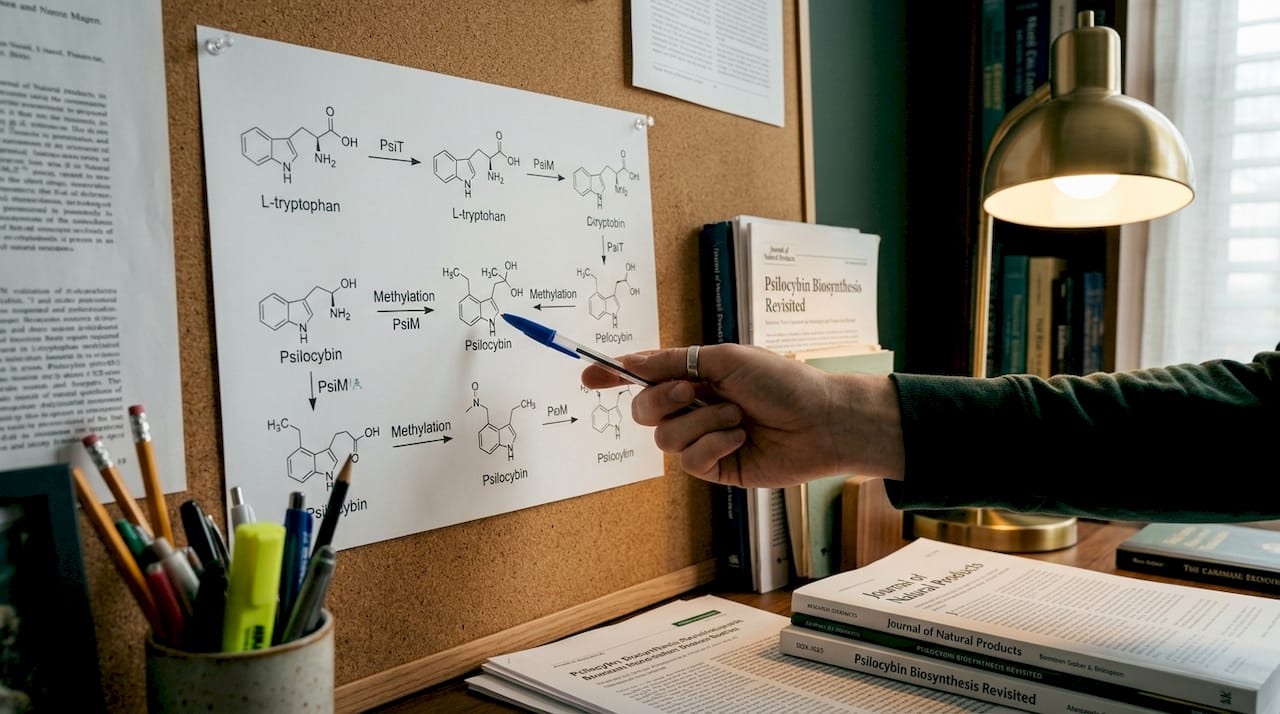
Psilocybin biosynthesis begins with a common amino acid: L-tryptophan. The mushroom’s genome encodes a cluster of genes that direct a series of enzymatic reactions, converting this building block into the psychoactive compound you recognize. The pathway proceeds through an intermediate called norbaeocystin before the final methylation step produces psilocybin. Each reaction is catalyzed by a specific enzyme encoded in the fungal DNA.
The star of this process is an enzyme called PsiM. PsiM catalyzes two methylation steps in psilocybin biosynthesis, meaning it adds two methyl groups to the molecule in sequence. This double methylation capability is unusual. Structurally, PsiM shares ancestry with RNA methyltransferases, the enzymes cells normally use to modify RNA molecules. Minor amino acid changes in PsiM’s structure dramatically altered its functional capacity, allowing it to perform double methylations that are critical for psilocybin production. That’s a remarkable example of how small genetic tweaks can redirect an enzyme toward an entirely new job.
The gene cluster arrangement matters as much as the individual enzymes. In Psilocybe species like Psilocybe cubensis, the genes responsible for psilocybin synthesis are organized in a specific order within the genome. This arrangement acts like a dedicated production line, keeping the relevant genes co-regulated and expressed together. Researchers have mapped these clusters and found that gene cluster arrangements correspond to different evolutionary lineages, revealing a deep split in how different mushroom families arrived at psilocybin production.
Here is the biosynthetic sequence in Psilocybe species:
- L-tryptophan is decarboxylated to tryptamine by the enzyme PsiD.
- Tryptamine is hydroxylated to 4-hydroxytryptamine by PsiH.
- PsiK phosphorylates the molecule to produce norbaeocystin.
- PsiM performs the first methylation, producing baeocystin.
- PsiM performs the second methylation, producing psilocybin.
Pro Tip: If you’re comparing strains for microdosing, know that genetic variation in PsiM activity levels can shift the ratio of psilocybin to its precursors, which affects both onset timing and intensity. This is one reason two strains from the same species can feel noticeably different.
What recent research reveals about convergent evolution
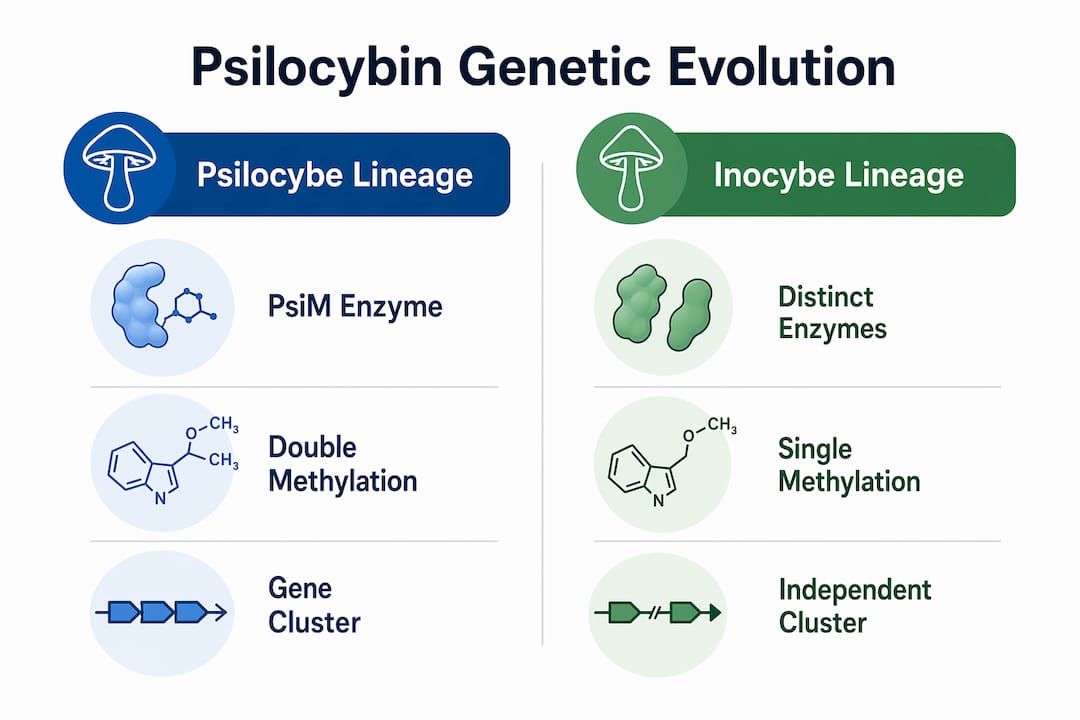
The most striking finding in recent magic mushroom genetics research is that psilocybin biosynthesis evolved independently at least twice in the fungal tree of life. Psilocybe mushrooms and fiber cap mushrooms in the genus Inocybe both produce psilocybin, but they do it using completely different enzymatic toolkits with different reaction sequences. This is convergent evolution: two unrelated lineages solving the same biochemical problem through separate genetic innovations.
Key findings from this research area include:
- Psilocybe species use the PsiM enzyme for double methylation, while Inocybe species use a structurally unrelated enzyme set.
- The reaction sequences differ between lineages, meaning the intermediate compounds produced along the way are not identical.
- Horizontal gene transfer may have played a role in spreading psilocybin genes across some fungal lineages, though independent evolution is the dominant explanation.
- Gene cluster mapping shows two distinct organizational patterns that correlate with mushroom phylogeny, confirming the deep evolutionary split.
A 2026 discovery added another layer to this picture. Psilocybe ochraceocentrata, a newly identified African species, diverged genetically from P. cubensis approximately 1.5 million years ago. Despite looking similar to P. cubensis on the surface, DNA and chemical analysis confirmed it as a distinct lineage. This finding expands the known genetic diversity of psilocybin-producing mushrooms and suggests there are likely more undiscovered species with their own genetic variations.
| Feature | Psilocybe lineage | Inocybe lineage |
|---|---|---|
| Key methylation enzyme | PsiM (double methylation) | Unrelated enzyme set |
| Reaction sequence | Proceeds through norbaeocystin | Different intermediate pathway |
| Gene cluster order | Distinct arrangement type A | Distinct arrangement type B |
| Evolutionary origin | Independent from Inocybe | Independent from Psilocybe |
The convergent evolution finding is significant for biotechnology as well. Two different enzymatic toolkits producing the same compound means researchers have twice the genetic material to work with when engineering psilocybin biosynthesis in laboratory settings.
How genetic traits shape potency and strain variability
Genetic variation across strains and species directly determines the profile of psychoactive compounds a mushroom produces. Psilocybin is the primary compound, but mushrooms also produce psilocin, baeocystin, and norbaeocystin in varying ratios. Genetic variation affects enzyme activity levels, which shifts the timing and ratios of these compounds. A strain with high PsiM activity converts precursors to psilocybin more completely, while a strain with lower activity may accumulate more baeocystin or norbaeocystin alongside psilocybin.
This matters practically for anyone thinking about strain differences and potency. The effects you experience are not just about total psilocybin content. The ratio of psilocybin to related compounds, the speed of conversion in your body, and the presence of minor alkaloids all contribute to the character of the experience.
Factors shaped by genetics that affect your experience:
- Total psilocybin content: Determined by how efficiently the biosynthetic pathway runs from L-tryptophan to the final product.
- Compound ratios: Higher baeocystin relative to psilocybin may produce a different quality of effect, though research on this is still developing.
- Onset timing: Strains that produce more psilocin directly (the active metabolite) may have faster onset than those producing primarily psilocybin, which requires conversion in the body.
- Strain stability: Genetic consistency within a cultivated strain affects batch-to-batch reliability, which is especially relevant for microdosing.
Understanding how strains affect mind and body through their genetic profiles gives you a more informed framework for selecting products. For microdosing specifically, strains with well-documented genetic consistency tend to produce more predictable results than wild-harvested or poorly characterized varieties.
Pro Tip: When microdosing for therapeutic purposes, prioritize strains with documented genetic lineage over novelty strains with unverified potency claims. Consistency in genetics translates directly to consistency in dosing outcomes.
What genetics tell us about why psilocybin exists at all
The evolutionary question behind psychedelic mushroom DNA is genuinely open: why did fungi evolve to produce a serotonin-like molecule in the first place? The leading hypothesis is chemical defense. Psilocybin genes may serve as chemical defense by deterring predators or competing organisms, though the exact ecological mechanism remains unconfirmed. The characteristic blue bruising that occurs when Psilocybe mushrooms are damaged is caused by psilocybin oxidation, which some researchers interpret as a signal of chemical defense activity.
Experimental evidence from model organisms adds complexity to this picture. Research exposing Drosophila larvae to Psilocybe extracts found that larvae showed reduced survival and developmental abnormalities, including size deviations and wing asymmetry in adults. Critically, these effects occurred even in Drosophila mutants lacking the 5HT2A serotonin receptor, which is the receptor psilocybin activates in humans. This finding suggests psilocybin’s ecological effects on insects operate through mechanisms beyond simple serotonin receptor mimicry.
| Observation | Implication |
|---|---|
| Drosophila larvae show reduced survival after psilocybin exposure | Psilocybin has toxic or deterrent effects on invertebrate predators |
| Effects persist in 5HT2A receptor mutants | Ecological mechanism is not purely serotonin-based |
| Blue bruising from psilocybin oxidation | Possible chemical signaling or defense response |
| Convergent evolution of psilocybin in two lineages | Strong selective pressure favoring psilocybin production |
The convergent evolution finding itself supports the defense hypothesis indirectly. When two unrelated lineages independently evolve the same compound, it suggests that compound confers a meaningful survival advantage. The evolutionary role of psilocybin is likely driven by ecological pressures rather than any conserved receptor mechanism, and genetic studies are the primary tool researchers are using to test these hypotheses.
Key takeaways
Magic mushroom genetics reveal that psilocybin biosynthesis evolved independently at least twice through distinct gene clusters and enzyme toolkits, with genetic variation across strains directly determining compound profiles, potency, and therapeutic consistency.
| Point | Details |
|---|---|
| Convergent evolution | Two separate fungal lineages independently evolved psilocybin production using different enzymes. |
| PsiM enzyme role | PsiM performs two methylation steps critical to psilocybin biosynthesis, evolved from RNA methyltransferase ancestors. |
| Strain potency variation | Genetic differences in enzyme activity shift compound ratios, affecting onset, intensity, and microdosing consistency. |
| Ecological defense hypothesis | Experimental evidence suggests psilocybin deters predators through mechanisms beyond serotonin receptor activation. |
| Species diversity | Psilocybe ochraceocentrata diverged from P. cubensis 1.5 million years ago, expanding known genetic diversity. |
Why the genetics here matter more than most people realize
Most conversations about magic mushrooms focus on effects and dosing. The genetics are treated as background noise. That’s a mistake, and I say that as someone who has spent years reading the research and talking to people who use psilocybin for serious therapeutic purposes.
The fact that two completely separate lineages arrived at psilocybin through different enzymatic routes is not just academically interesting. It means the compound profile you get from an Inocybe species is genuinely different from what you get from Psilocybe cubensis, even if the psilocybin molecule itself is identical. The minor alkaloids, the ratios, the enzymatic byproducts: these differ by lineage. And if you’re microdosing for depression, anxiety, or nerve pain (and psilocybin’s effect on nerve pain is now backed by solid animal research), those differences could matter to your outcomes.
The biotechnology angle is also underappreciated. Having two independent enzymatic toolkits means researchers can potentially engineer psilocybin production in ways that optimize for specific compound profiles. That’s not science fiction. That’s where the field is heading, and the genetic diversity being cataloged right now, including newly discovered species like P. ochraceocentrata, is the raw material for that work.
For anyone using psilocybin products today, the practical takeaway is simple: genetics determine what you’re actually consuming. Understanding psychedelic mushroom origins and strain lineage gives you a more honest picture of what to expect than marketing language ever will.
— Juiced
Explore quality psilocybin products at Elevated Remedies

Theelevatedremedies, located at 1123 Broadway St in Ann Arbor, Michigan, carries dried magic mushrooms, microdosing capsules, and psilocybin chocolates sourced for genetic consistency and quality. The team at Elevated Remedies understands that knowing your strain matters, and they can help you connect what you’ve learned about mushroom biology to the products that fit your goals. Whether you’re starting a microdosing protocol or exploring psilocybin for wellness, start with products you can trust. Visit the magic mushroom guide on the Elevated Remedies site to learn more about strain types, product options, and safe use in Michigan.
FAQ
What genes are responsible for psilocybin production in magic mushrooms?
A cluster of genes including psiD, psiH, psiK, and psiM encodes the enzymes that convert L-tryptophan into psilocybin through a multi-step biosynthetic pathway. The arrangement and activity levels of these genes vary across species and strains, directly affecting compound output.
How does convergent evolution apply to psychedelic fungi genetics?
Psilocybe and Inocybe mushrooms independently evolved psilocybin biosynthesis using completely different enzyme sets and reaction sequences, arriving at the same compound through separate genetic innovations. This is a textbook case of convergent evolution in fungi.
Why do different magic mushroom strains vary in potency?
Genetic differences in enzyme activity levels shift the ratios of psilocybin, baeocystin, and norbaeocystin produced, which affects both total potency and the character of effects. Strains with higher PsiM activity convert precursors more completely, producing higher psilocybin concentrations.
Does psilocybin serve an ecological purpose based on genetic evidence?
The convergent evolution of psilocybin in two separate lineages suggests strong selective pressure, supporting the hypothesis that psilocybin functions as a chemical defense against predators. Experimental evidence from Drosophila confirms harmful effects on insects through mechanisms that do not rely solely on serotonin receptors.
How does understanding mushroom genetics help with microdosing?
Knowing a strain’s genetic lineage helps predict compound consistency and potency, which are the two factors most critical to reliable microdosing outcomes. Genetically stable, well-characterized strains produce more predictable results than unverified or poorly documented varieties.