
Terpenes shape how a mushroom edible smells, tastes, and feels. Think of cannabinoids or psilocybin as the engine and terpenes as the steering wheel that nudges an experience toward calm, focus, or uplift. For edibles specifically, the catch is delivery: first-pass liver metabolism can destroy or modify roughly 50–90% of ingested terpenes before they reach your bloodstream, which is why format and formulation choices matter more than most labels admit.
What this means for you as a shopper:
- Always request a Certificate of Analysis (COA) with a full terpene panel before buying mushroom edibles.
- Look for products formulated with edible-appropriate terpene concentrations. Industry guidance recommends terpene concentrations for edibles between roughly 0.5% and 3% of the total formulation, which is lower than the 3–12% often used in vape cartridges.
- Prefer third-party lab-tested products over anything with vague or unverified terpene claims.
Table of Contents
- How do terpenes work differently in edibles?
- Theelevatedremedies: Ann Arbor’s local source for mushroom edibles
How do terpenes work differently in edibles?
Terpenes are volatile aromatic compounds found throughout the plant world — in citrus peels, herbs, spices, and yes, mushroom and cannabis products. They activate olfactory receptors in the nasal cavity and interact with taste receptors, producing the sensory notes you actually experience. Limonene delivers bright citrus. Myrcene brings earthy, musky depth. Linalool reads as floral and slightly spicy.
In an edible, though, terpenes face a gauntlet that inhalation skips entirely. Heat during gummy manufacturing destroys many volatile monoterpenes like myrcene and limonene unless a formulator adds them post-process or uses microencapsulation to protect them. Then the liver metabolizes what survives. The result: even a well-formulated edible delivers terpenes differently than a vape, and subjective outcomes can vary accordingly.
Common terpenes and what to expect
| Terpene | Aroma note | Claimed mood impression |
|---|---|---|
| Limonene | Citrus, bright | Uplifting, energized |
| Myrcene | Earthy, musky | Relaxed, sedating |
| Linalool | Floral, spicy | Calm, stress-reduced |
| Caryophyllene | Spicy, woody | Grounded, anti-anxious |
| Pinene | Pine, fresh | Alert, focused |
| Humulene | Hoppy, herbal | Appetite-suppressed, calm |
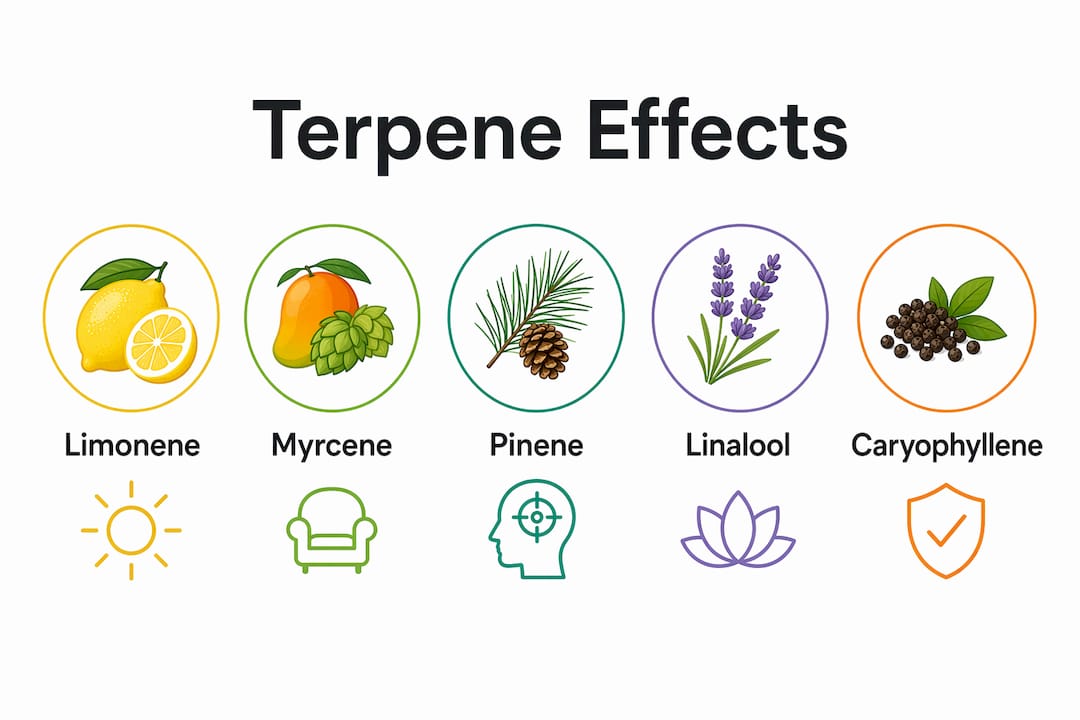
Consumer panel research reports repeatable mood impressions from specific terpene blends, but clinical confirmation of synergy with psychoactive compounds is still limited. The entourage effect in mushrooms is a promising concept, not a settled science.
Your practical buying checklist
- Ask for the COA terpene panel. Full-panel testing is the only way to verify what’s actually in a product.
- Ask whether the input was rosin or distillate. Solventless rosin retains richer terpene fractions but needs tighter temperature control during production.
- Check for nanoemulsion or microencapsulation language — both improve terpene bioavailability in oral formats.
- Confirm storage guidance. Terpenes degrade with heat, light, and oxygen; proper packaging and cool storage extend shelf life meaningfully.
Pro Tip: Take your mushroom edible with a small amount of dietary fat — a handful of nuts or a piece of dark chocolate works. Fat-soluble terpenes absorb better alongside dietary fats, which can improve uptake and make the experience more consistent.
Theelevatedremedies: Ann Arbor’s local source for mushroom edibles
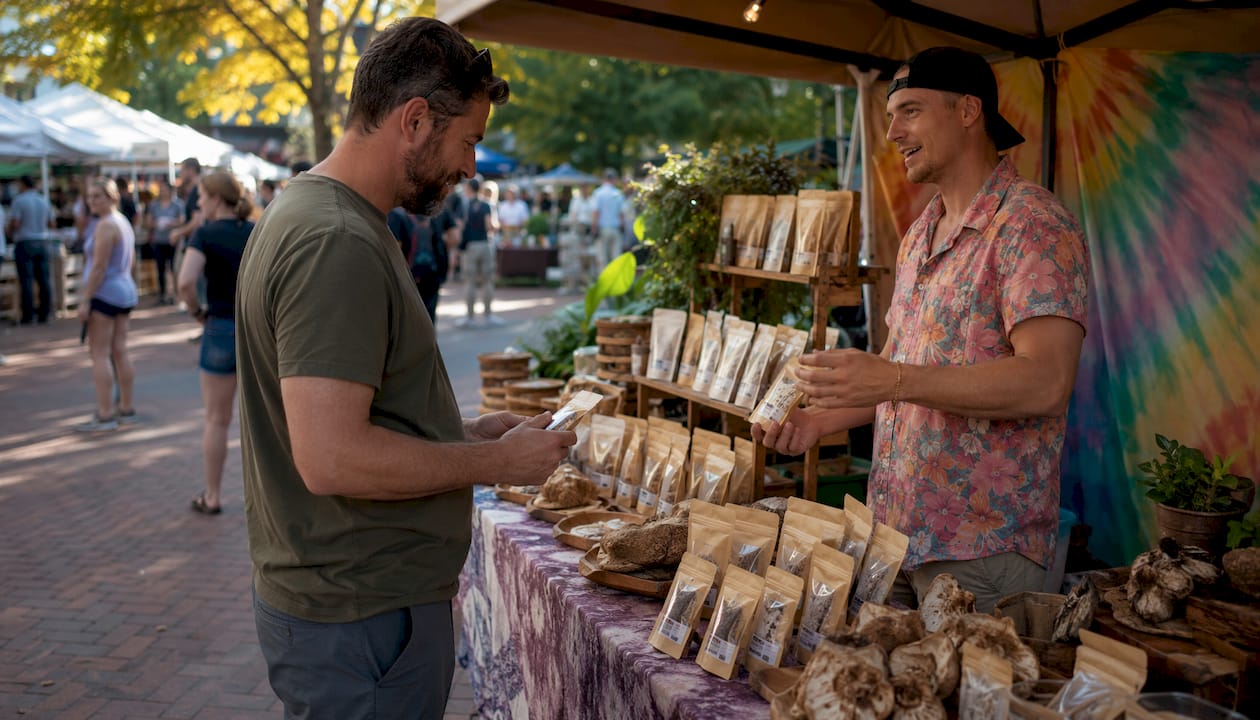
Ann Arbor shoppers have a real advantage here. Theelevatedremedies at 1123 Broadway St carries amanita muscaria gummies, microdosing capsules, and mushroom chocolates sourced for quality and consistency, plus a full smoke-shop floor. The staff can walk you through COAs, explain terpene profiles, and help you match a product to your experience level.
Red flags to watch for anywhere you shop: no lab tests available, vague claims like “natural terpenes” with no panel, or synthetic-only terpene language. Stop in, ask the questions on your checklist, and leave with something you actually understand.
This article is general information, not medical or legal advice. Confirm current regulations and consult a qualified professional for your specific situation.