
“Love mush” usually means one of two things: a pun-based gift like a card or plush toy playing on “I love you so mush,” or shorthand shoppers use when hunting for mushroom wellness products like gummies and capsules. Both are legitimate, but they lead down completely different paths.
Here’s how to sort yourself quickly:
- Path A, novelty and gifts: You want something sweet and punny for a partner, like a pop-up card, plush gnome, or board book.
- Path B, mushroom products: You’re actually shopping for psilocybin or amanita products, capsules, gummies, or dried mushrooms, and landed on “love mush” by accident or association.
If you’re in Path B, look for vendors that publish full ingredient lists and a Certificate of Analysis (CoA) before you buy anything. Elevated Remedies, an Ann Arbor dispensary, is one example of a shop built around that kind of transparency, and the rest of this guide leans toward Path B readers since that’s where the real buying decisions and safety questions live.
Key Takeaways
Trustworthy mushroom shopping depends on separating novelty “love mush” gifts from wellness products, then verifying ingredient lists and lab testing before buying any format.
| Point | Details |
|---|---|
| Two meanings, one search term | “Love mush” usually means a punny gift item or a mushroom wellness product; identify which one you want first. |
| Format determines use case | Dried mushrooms and chocolates suit single sessions; capsules suit scheduled microdosing. |
| CoA is non-negotiable | Confirm any Certificate of Analysis matches your product’s specific batch number before trusting it. |
| Start low with new products | Begin with the smallest labeled dose and wait out the full onset window before taking more. |
| Elevated Remedies offers labeled, sourced products | Elevated Remedies sells dried mushrooms, capsules, and chocolates with clear ingredient lists and staff guidance in Ann Arbor and online. |
Table of Contents
- Which “Love Mush” Do You Mean? A Quick Decision Flow
- Product Categories: Dried, Chocolates, Gummies, and Capsules
- How Do You Pick a Trustworthy Mushroom Vendor?
- Microdosing vs. Full Dose: What Are the Safe Starting Points?
- In-Store Pickup or Online Order: Which Buying Method Fits You?
- Where Can You Learn More Before You Buy?
- How Long Do Mushroom Products Actually Last?
- What Are the Warning Signs of a Fake or Low-Quality Product?
- The Real Gap Between Novelty “Love Mush” and Serious Buying Decisions
- Why Shop With Elevated Remedies
- Frequently Asked Questions
- Sources
Which “Love Mush” Do You Mean? A Quick Decision Flow
The two meanings of “love mush” rarely overlap in practice, so the fastest way to save yourself a wasted search is to separate them right away.
Novelty and gift items include things like:
- Pop-up cards and plush mushroom toys with the “I love you so mush” pun
- Board books and children’s titles, including Danielle McLean’s illustrated book and a similarly titled release from Simon & Schuster
- Greeting cards drawing from broader collections of sappy love quotes and one-liners
Mushroom wellness products include:
- Dried mushroom strains sold by weight
- Capsules formulated for microdosing
- Gummies and chocolates for single-session use
Pro Tip: If you’re browsing a site and see “love mush” attached to a product that has no ingredient label, no milligram count, or no CoA link, you’ve probably wandered into novelty-gift territory by mistake, or you’ve found a low-quality vendor. Either way, back out and check the label before adding anything to your cart.
The legal and safety stakes differ enormously between these two paths. A plush gnome carries zero regulatory weight. A psilocybin gummy does, and that’s where sourcing, dosage, and local law actually matter.
Product Categories: Dried, Chocolates, Gummies, and Capsules
Mushroom wellness products come in five common formats, and each one serves a different kind of user. Knowing the difference before you buy saves you from either overpaying for the wrong format or underdosing on the right one.
Dried mushrooms are the most traditional format. They’re sold by weight, typically in grams, and give the most direct control over dosing because you can weigh out exactly what you want. The tradeoff is inconsistency: potency can vary between batches and even between caps and stems on the same mushroom, which is why lab-tested dried product with a batch-specific CoA matters more here than almost anywhere else.
Chocolates and bars combine mushroom material with chocolate to mask the taste and make dosing more predictable, since each piece or square is usually manufactured to a specific milligram target. These tend to suit people planning a single, deliberate session rather than daily use, since the calorie and sugar content of chocolate makes it a poor daily habit. A psilocybin chocolate with a labeled dose per square is generally easier to manage than an unlabeled bar broken into portions by eye.
Gummies work similarly to chocolates but skip the melting and mess. Each gummy is typically dosed at a fixed amount, which makes them a popular entry point for people who want predictability without weighing anything. Amanita muscaria gummies in particular have become a common category for shoppers who want an edible format without navigating dried mushroom prep.
Capsules are the format most associated with microdosing. Because each capsule contains a small, standardized amount, usually a fraction of a full dose, they’re built for people taking sub-perceptual amounts on a regular schedule (a common pattern is a few days on, a few days off) rather than chasing a full psychedelic experience.
Drinks are the newest and least standardized format. Mushroom-infused beverages exist, but potency labeling in this category tends to lag behind capsules and gummies, so extra scrutiny of the label is warranted.
Across every format, three things separate a serious product from a novelty knockoff:
- A complete ingredient list, not just “proprietary mushroom blend”
- Sourcing notes that say where the mushroom material comes from
- A third-party Certificate of Analysis confirming potency and screening for contaminants
If you’re deciding between formats based on how a curated approach differs from a generic one, it’s worth reading about how curated mushroom blends are put together before assuming all blends are interchangeable.
How Do You Pick a Trustworthy Mushroom Vendor?
Trustworthy vendors share a specific set of habits, and once you know what they are, spotting a good one takes about two minutes on a product page.
Run through this checklist before buying:
- Full ingredient lists. Every active ingredient and filler should be named, not hidden behind vague marketing language.
- Clear sourcing information. The vendor should be willing to say where the mushroom material comes from and how it’s processed.
- Third-party lab testing. A CoA from an independent lab, not an in-house test, should be available for the specific batch you’re buying.
- Transparent potency information. Milligrams per gummy, capsule, or square should be stated plainly, not buried in fine print.
- Clear dosage guidance. The product or the vendor’s site should tell you where to start, especially for first-time buyers.
- Customer reviews and store ratings. A track record of real feedback, especially at a physical retail location, adds a layer of accountability that an anonymous website doesn’t have.
Red flags work in reverse. Watch for vague ingredient panels, an absence of any lab testing, potency claims that sound too clean or too high to be realistic, and no visible age-verification or return policy. A vendor with no stated policy on any of these is a vendor that hasn’t thought through the basics, which should worry you more than a low price should excite you.
To verify a CoA is real, check that it names an actual independent lab, includes a batch or lot number matching your product, and lists both potency and contaminant screening (heavy metals, microbials). A guide like Elevated Remedies’ consumer quality checklist walks through this in more depth. Vendors that go further, supporting education or research rather than just moving product, tend to be the ones worth returning to.

Microdosing vs. Full Dose: What Are the Safe Starting Points?
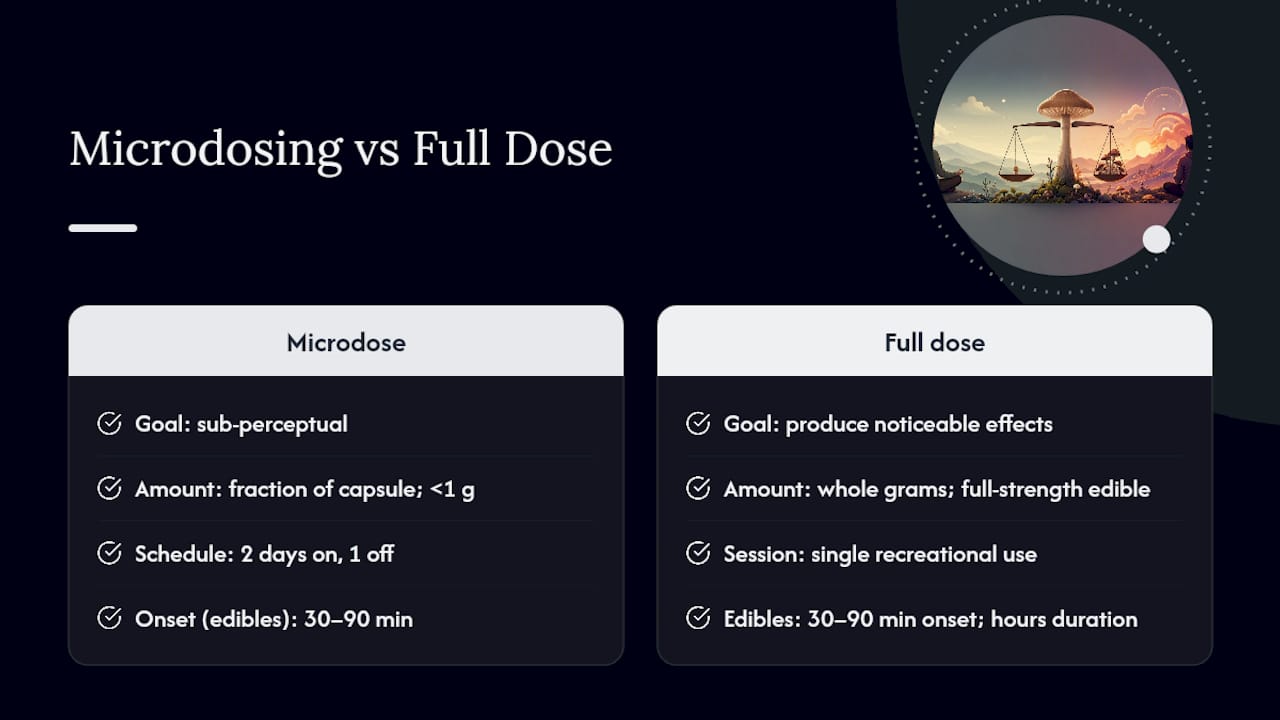
Microdosing and full dosing are not two intensities of the same experience. They’re two different use cases with different goals, timelines, and risk profiles.
A microdose is a sub-perceptual amount, small enough that you shouldn’t notice psychedelic effects, typically taken on a schedule like two days on, one day off, over several weeks. In capsule form, this often means a fraction of a full-dose capsule; in dried mushrooms, it’s a small fraction of a gram. A full or recreational dose is meant to produce a noticeable psychedelic experience and is measured in whole grams of dried mushroom or a full-strength edible.
Onset and duration vary by format. Edibles like gummies and chocolates generally take longer to hit, often 30 to 90 minutes, because they pass through digestion first, but the effects can last several hours once they arrive. Dried mushrooms eaten directly tend to have a similar onset window but can feel less predictable batch to batch.
Statistic Callout: Practitioners in the mushroom wellness space consistently point to set, setting, and product transparency as the three variables that shape outcomes most, more than the specific strain or brand. A calm environment and a lab-verified dose matter more than which product name is on the label.
First-time users and microdosers should start low and go slow: try the smallest labeled dose, wait for the full onset window before considering more, and never combine mushroom products with alcohol or unfamiliar medications. Anyone on prescription medication, especially SSRIs or other psychiatric drugs, or anyone with a personal or family history of certain mental health conditions, should talk to a doctor before starting. This isn’t a formality. Deeper safety guidance is available in Elevated Remedies’ wellness tips.
In-Store Pickup or Online Order: Which Buying Method Fits You?
Buying in person and buying online each solve a different problem. In-store pickup lets you ask staff questions face to face, see the batch’s CoA on request, and walk out with product the same day. Online ordering trades that immediacy for convenience, letting you compare formats and read labels at your own pace before checkout.
Common policies you should expect from a legitimate seller:
- Age verification at checkout online or ID check in person, since these products are restricted to adults.
- Shipping restrictions based on local law, meaning not every product ships to every address.
- Return and refund policies that are stated clearly, not buried in a footer link.
- Delivery timelines that are realistic, usually a few business days for standard shipping.
Price ranges vary by format. Gummies and capsules aimed at microdosing tend to run lower per unit since doses are smaller, while full-dose chocolates and dried mushrooms by the gram cost more per session because you’re getting more active material at once. Exact pricing depends heavily on brand and potency, so treat any number you see as a starting point for comparison, not a fixed rule.
Once you’ve got product in hand, store it in a cool, dark, airtight container away from humidity. For a full walkthrough of what a safe order actually looks like from click to delivery, see how to place a mushroom order safely.
Where Can You Learn More Before You Buy?
Buying smart starts with reading first, and there are a few reliable directions to look.
Vendor education pages, the kind that explain sourcing and lab results rather than just listing prices, are usually your best first stop. Harm-reduction organizations offer independent guidance not tied to any product sale. Books on psilocybin and fungal wellness exist in abundance, though this article doesn’t endorse any specific title, and local workshops or one-on-one consultations can fill in gaps that written material can’t.
Grow kits are also part of this world for hobbyists interested in cultivation rather than purchasing finished product. Beginners considering this route should treat it as a genuine skill to learn, not a shortcut, and should check local law first since cultivation rules vary widely by state and even by mushroom species. For a grounded look at what’s actually permitted, Michigan’s legal landscape for mushroom wellness is a useful starting point before assuming anything is settled law.
How Long Do Mushroom Products Actually Last?
Shelf life depends almost entirely on format and moisture control. Dried mushrooms, stored properly in an airtight container with a desiccant packet in a cool, dark place, can last a year or more before potency starts to noticeably decline. Moisture is the enemy here: any dried product that feels even slightly soft or shows spots of mold should be thrown out immediately, no exceptions.
Gummies and chocolates behave more like the food products they are. Chocolate-based edibles are sensitive to heat, since a warm car or sunny windowsill will melt and degrade them within hours, while gummies hold up a bit better but still lose potency and texture if left somewhere humid. Most edibles carry a printed expiration or “best by” date, and that date is worth respecting rather than guessing at.
Capsules generally have the longest practical shelf life among manufactured products, often a year or more, if kept sealed and away from direct light and heat. Once opened, though, the clock moves faster than most people expect, since exposure to air speeds up degradation of the active compounds.
A simple rule covers all formats: cooler, darker, and drier always beats warmer, brighter, and damper. If you bought in bulk, split your supply into smaller sealed portions so you’re not repeatedly exposing the whole batch to air every time you need a dose. And if a product ever smells off, looks discolored, or feels different from when you bought it, that’s your body telling you to skip it rather than push through.
What Are the Warning Signs of a Fake or Low-Quality Product?
Counterfeit and low-quality mushroom products tend to share a small set of tells, and learning to spot them takes less time than most people assume.
Start with the label itself. A legitimate product lists specific ingredients, exact milligram counts, and a batch number. A knockoff leans on vague phrasing like “proprietary blend” or “natural mushroom extract” with no numbers attached, because vague language is easier to fake than a verifiable lab result.
Next, check for a CoA, and don’t stop at whether one exists. Confirm it corresponds to the batch number on your specific product, not a generic CoA pasted across an entire product line regardless of batch. A vendor that can’t produce a batch-matched CoA on request is telling you something important by staying silent.
Packaging quality matters more than people expect. Cheap printing, inconsistent fonts between the label and the website, misspellings, or a lack of any child-resistant or tamper-evident seal are all signs the product came from an unregulated source. Pricing that seems too good relative to everything else on the market is another signal, since lab testing and quality sourcing cost money that a corner-cutting seller isn’t spending.
Finally, trust the pattern in customer reviews. A product with no reviews at all, or with reviews that read like they were written in bulk, is worth more skepticism than one with a modest but specific set of real customer feedback tied to an actual store.
The Real Gap Between Novelty “Love Mush” and Serious Buying Decisions
Most guides to “love mush” pick one lane and ignore the other, either a lighthearted roundup of puns and gift ideas or a dense wellness explainer, with no bridge between them. That’s a disservice to searchers, because plenty of people typing “love mush” genuinely don’t know yet which one they want.
The conventional advice on mushroom wellness products also tends to overweight potency numbers and underweight sourcing transparency. A gummy with an impressively high milligram count means nothing if the batch was never independently tested. Readers should prioritize verifying the CoA and ingredient list over chasing the strongest-sounding product on a page, because potency without verification is just a claim, not a fact.
If there’s one thing worth doing differently, it’s treating vendor transparency as the first filter, not the last. Everything else, format, price, dosing schedule, only matters once you’ve confirmed you’re buying from a source that will actually show you what’s inside.
Why Shop With Elevated Remedies
Elevated Remedies carries dried mushrooms, microdosing capsules, and mushroom chocolates and gummies, all sourced for consistency and backed by clear labeling rather than vague marketing claims.
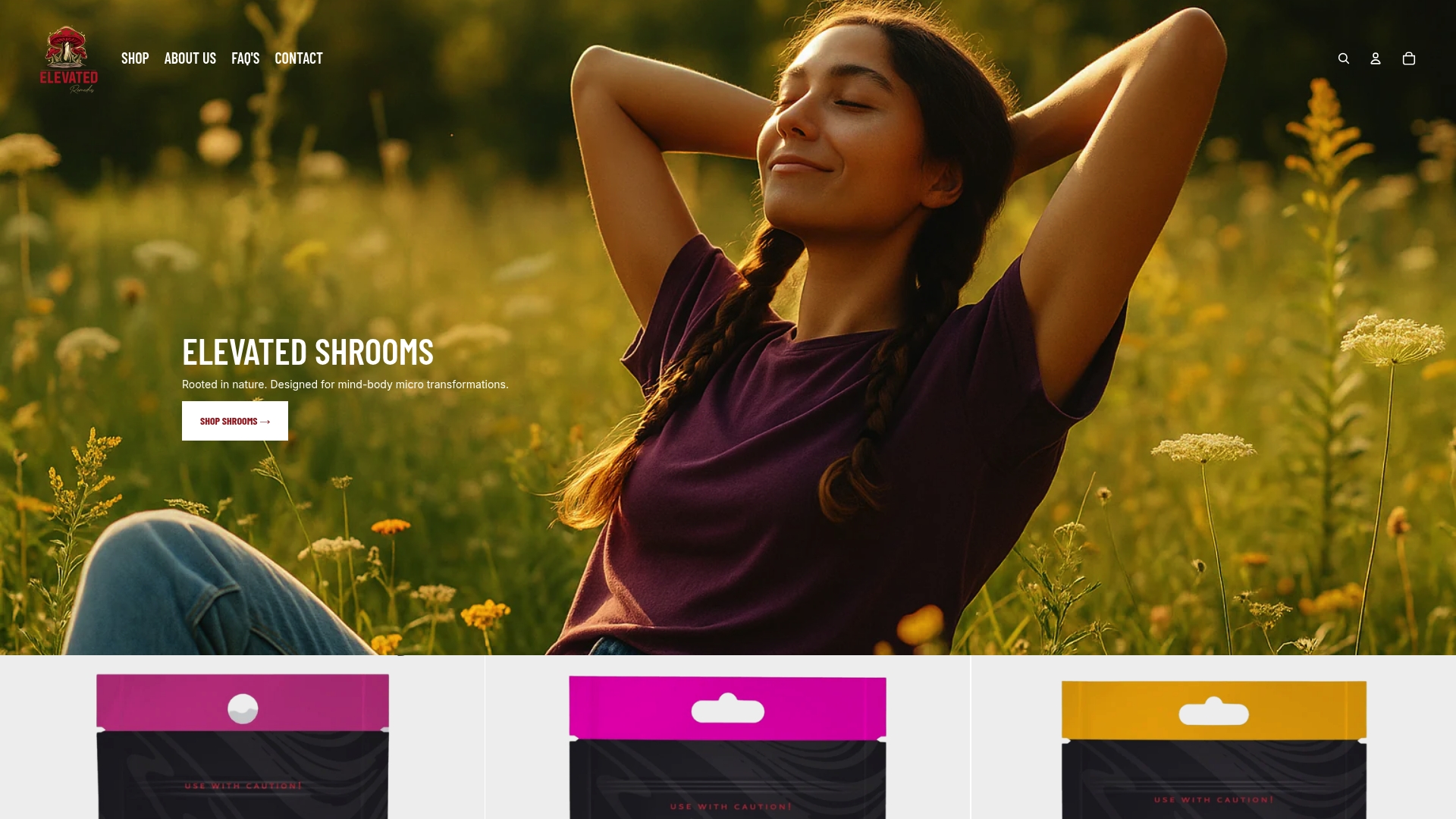
Every product category we carry comes with an ingredient list you can actually read, and our staff can walk you through lab-testing questions in person or answer them online before you buy. If you’re curious about a specific category, our page on amanita muscaria products breaks down what that mushroom actually is and how our gummies use it.
You can shop online for shipping or place an order for pickup at our Ann Arbor location on Broadway Street, and if you have questions about dosing, sourcing, or which format fits your situation, our team is reachable both in-store and through the site. Start by browsing our current amanita muscaria lineup to see potency details and pick the format that matches what you’re actually looking for.
Frequently Asked Questions
Is “love mush” a real product category, or just a pun? It’s primarily a pun used on cards, books, and plush toys playing on “I love you so mush.” It has no connection to actual mushroom wellness products unless a shopper specifically means capsules, gummies, or dried mushrooms.
Are mushroom wellness products legal? Laws vary significantly by state and product type. Check your local regulations before buying, and see Michigan’s specific legal framework as one example of how rules differ by location.
How long does it take for mushroom gummies to kick in? Edibles typically take 30 to 90 minutes to take effect since they pass through digestion first, and effects can last several hours once they start.
What’s the difference between microdosing and a full dose? A microdose is sub-perceptual, meant to be taken regularly without noticeable psychedelic effects. A full dose is meant to produce a complete psychedelic experience and is measured in full grams or a full-strength edible.
Can I take mushroom products with medication? Talk to a doctor first, especially if you take SSRIs or other psychiatric medications. Interactions can be serious, and this caution applies to both microdosing and full-dose use.
How do I know if a product’s lab test is real? Confirm the Certificate of Analysis names an independent lab and includes a batch number matching your specific product, not a generic document shared across an entire product line.
This article is general information, not a substitute for advice from a qualified doctor. Consult a qualified healthcare professional about your own circumstances before acting on anything here.
Sources
- I Love You So Mush by Danielle McLean | Penguin Random House
- Love You So Mush Pop-Up Card | Lovepop
- 100 Ways to Make Them Swoon – Sappy Love Quotes to One-liners
- I Love You So Mush! | Simon & Schuster