TL;DR:
- Buying psilocybin mushrooms involves navigating a market split between legal, verified sources and unregulated, potentially dangerous vendors. Verifying local laws, sourcing from trusted dispensaries or licensed centers, and requesting lab testing are essential for safe purchasing and use. Different product forms, such as dried mushrooms or capsules, vary in safety, potency, and legal standing, making thorough research and cautious inspection vital steps before consumption.
If you’re serious about shrooms buying, the first thing you need to understand is that the market has two very different sides. One side is legal, verified, and growing. The other is unregulated, inconsistent, and occasionally dangerous. Whether you’re a first-timer trying to understand what you’re getting into, or a seasoned user looking for cleaner sourcing options, this guide cuts through the noise. You’ll get practical answers on legal access, pricing, product types, and how to verify quality before anything reaches your hands.
Table of Contents
- Key takeaways
- Legal access and shrooms buying explained
- Pricing and quality: what to expect when you buy shrooms
- How to safely order shrooms, step by step
- Comparing psilocybin product forms before you buy
- Verifying your purchase before you use it
- My take on where shrooms buying actually stands right now
- Where to find trusted mushroom products near you
- FAQ
Key takeaways
| Point | Details |
|---|---|
| Legal access is expanding | Verified dispensaries and service centers now operate in Oregon, Colorado, and internationally. |
| Pricing varies widely | Expect to pay $7 to $15 per gram depending on strain, region, and legal status. |
| Product forms matter | Dried mushrooms, chocolates, capsules, and spores each carry different legal and safety profiles. |
| Lab testing is non-negotiable | Always request a Certificate of Analysis before purchasing any mushroom product. |
| Synthetic fakes are a real threat | Some products sold as magic mushroom edibles contain illegal synthetic compounds. |
Legal access and shrooms buying explained
This is where most buyers get tripped up. The legal picture around buying psychedelic mushrooms is genuinely complicated, and it changes depending on where you live.
In the United States, Oregon and Colorado have moved furthest toward legal psilocybin access. Oregon launched licensed service centers under Measure 109, while Colorado passed Proposition 122 allowing personal use and regulated access. Outside the U.S., the Netherlands has a long-standing tradition of smartshops selling psilocybin truffles legally. Jamaica and Canada have also become destinations for legal or quasi-legal psilocybin experiences. Legal psilocybin access is now available across more than 100 verified smartshops and licensed centers worldwide.
Here’s what decriminalization actually means for buying: it typically means personal possession is deprioritized by law enforcement, but commercial sales remain illegal. That gap matters. Just because something is decriminalized doesn’t mean the vendor selling it to you is operating legally or safely.
Before purchasing anything, check your local statutes. Then look for verified sources.
- Decriminalized cities in the U.S. include Ann Arbor, Denver, Detroit, and several others where personal possession is deprioritized
- Licensed service centers in Oregon and Colorado operate under strict state oversight
- Smartshops in the Netherlands legally sell psilocybin truffles (not dried mushrooms) to adults
- Jamaica has no law against psilocybin, making retreat-based experiences fully legal there
- Canada allows some therapeutic exemptions for psilocybin use under Health Canada authorization
Pro Tip: Use ShrooMap’s verified directory to locate compliant psilocybin service centers near you. It tracks over 748 locations and undergoes rigorous compliance verification before listing any center.
The risk of illegal purchasing goes beyond fines or arrest. Unverified sources have no accountability for what’s actually in the product. That’s where the real danger begins.
Pricing and quality: what to expect when you buy shrooms
Pricing is one of the most practical pieces of information any shroom purchase guide can offer, because it helps you immediately recognize when something is off.
Street prices for mushrooms range from $7 to $15 per gram on average, with small purchases of 1 to 3 grams typically costing $10 to $90 total, and moderate quantities of 7 to 14 grams running $60 to $200. Bulk purchases at 28 grams or more usually come with significant discounts.
| Quantity | Typical Price Range | Notes |
|---|---|---|
| 1 gram | $10 to $20 | Entry-level; good for microdosing trial |
| 3.5 grams | $30 to $60 | Most common recreational quantity |
| 7 grams | $60 to $100 | Moderate savings begin |
| 14 grams | $100 to $160 | Significant bulk discount |
| 28 grams | $150 to $250 | Best per-gram value |
Prices for magic mushrooms shift based on species, location, and legal status. Common strains like Golden Teacher are cheaper and more widely available. Rarer or more potent strains like Penis Envy or Albino A+ command a premium. In areas where psilocybin remains fully illegal, pricing is more volatile and less predictable.
What drives quality? Three factors matter most. First, growing conditions: substrate quality, humidity control, and harvest timing all affect potency. Second, drying method: properly dried mushrooms retain alkaloids better and resist mold. Third, storage: even a good product degrades quickly if it’s kept in a warm, humid environment before it reaches you.
Red flags to watch for include visible mold (usually blue-green or white fuzz that smells musty), unusual discoloration beyond normal blue bruising, and packaging that lacks any identifying information. If a vendor can’t tell you the strain, growing method, or basic provenance of what they’re selling, that’s a problem.
How to safely order shrooms, step by step
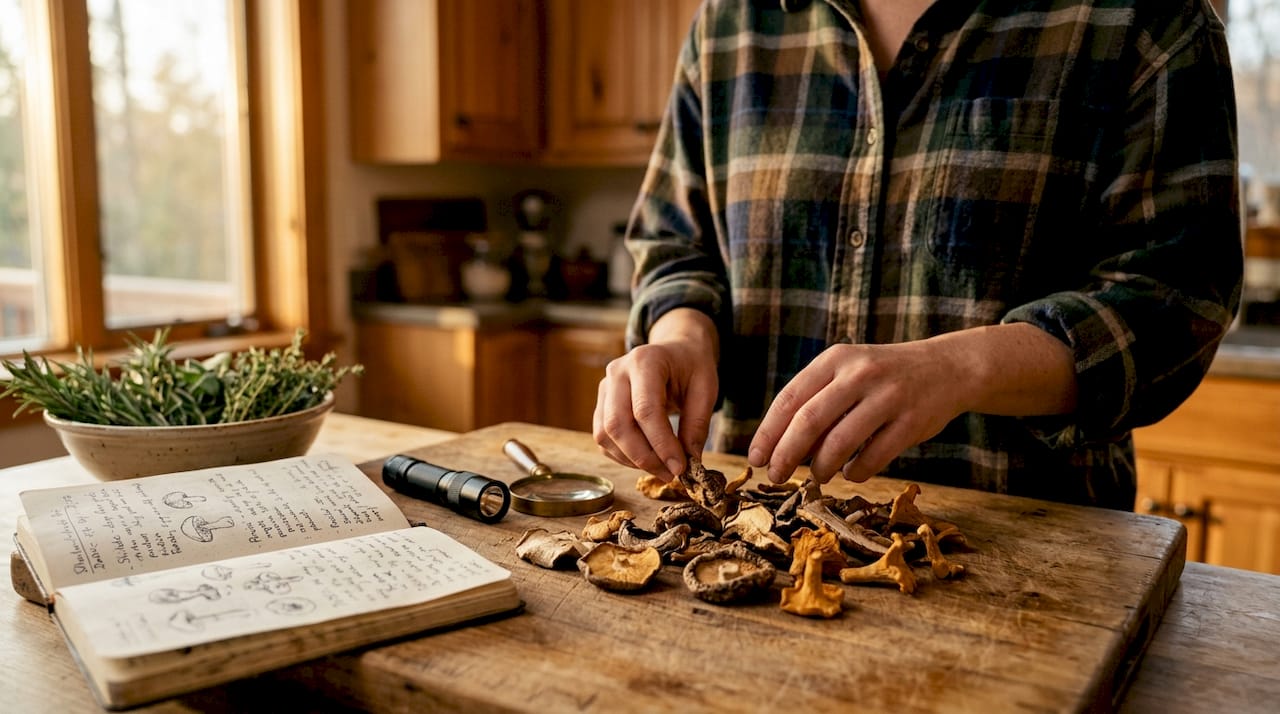
This is the practical part. Whether you’re buying from a physical dispensary or exploring how to order shrooms online, the same principles apply.
- Verify legal status in your jurisdiction. Before anything else, confirm that purchasing or possessing psilocybin mushrooms is decriminalized or legal where you are. Check Michigan psilocybin guidance if you’re in the Midwest.
- Research the vendor thoroughly. Look for reviews on independent forums, not just on the vendor’s own website. Reddit communities, harm reduction platforms, and psychedelic society groups are useful here.
- Choose your product form. Dried mushrooms, capsules, chocolates, and spores each have different availability and legal profiles. Know what you’re ordering before you pay.
- Request a Certificate of Analysis. Any reputable vendor of mushroom products should provide lab results for their batch. This applies especially to edibles and capsule products.
- Use privacy-conscious payment methods. Many buyers prefer cash for in-person purchases. For online ordering, understand that payment methods leave traces and choose accordingly.
- Check packaging on delivery. Legitimate products arrive in sealed, labeled packaging. Open packaging, missing labels, or a strong ammonia smell are red flags.
- Confirm strain and quantity match what you ordered. If the product doesn’t match the description, contact the vendor before using anything.
“The single biggest mistake first-time buyers make is skipping vendor research because they’re excited about the product. That shortcut is exactly what scammers and dangerous vendors count on.”
Pro Tip: When ordering shrooms online, always cross-reference the vendor against at least two independent review sources. A vendor with hundreds of reviews on their own platform and zero presence anywhere else is a warning sign, not a reassurance.
For buyers in Ann Arbor, ordering magic mushrooms safely starts with understanding what products are legally available in Michigan and sourcing from physical dispensaries with verifiable reputations.
Comparing psilocybin product forms before you buy
Not all shrooms for sale online or in stores are the same thing. The product form you choose affects potency, legal standing, dosing accuracy, and shelf life.
Dried mushrooms are the most traditional form. They retain the full spectrum of psilocybin and psilocin, and experienced users generally trust them for consistent effects. Storage is straightforward: an airtight container in a cool, dark place keeps them viable for months. For a deeper look at how dried mushrooms compare to chocolates in safety and dosing, that comparison is worth reading before you decide.
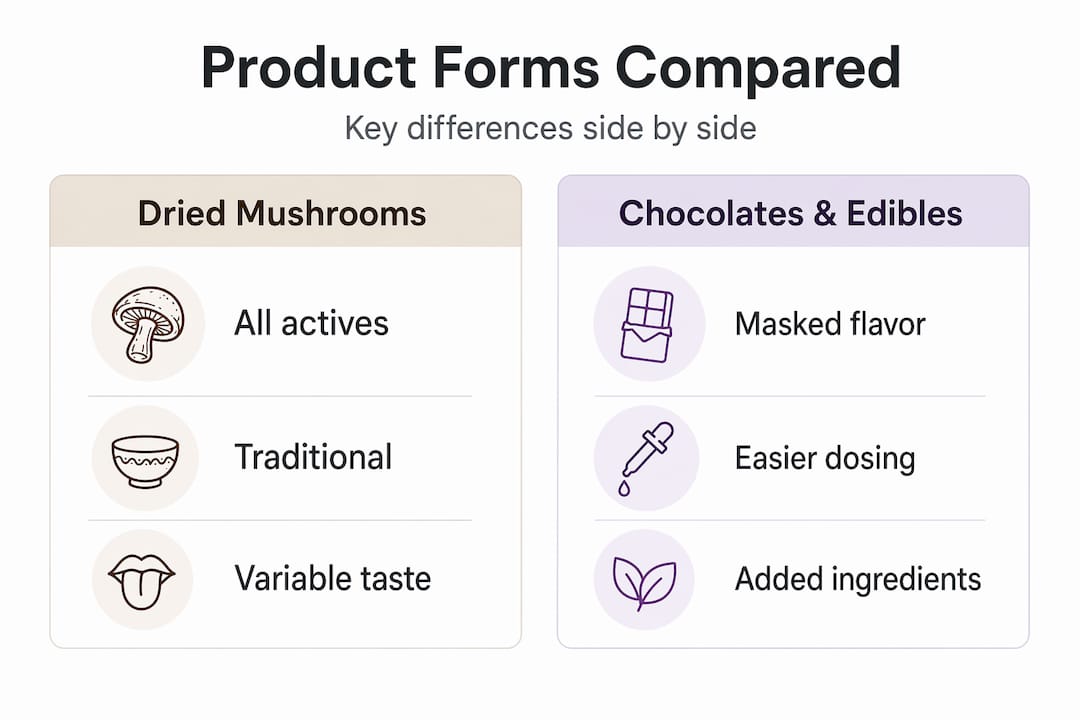
Mushroom chocolates and edibles are popular because they mask the taste and make dosing feel more approachable. The risk here is significant, though. Some magic mushroom gummies sold commercially contain synthetic psychedelic compounds that have caused hospitalizations. The TRE House brand is one documented example where products tested positive for illegal synthetic compounds.
Capsules and microdosing blends offer precise, low-dose options that appeal to users focused on wellness and cognitive enhancement. Legally sold capsules typically use functional mushroom extracts rather than actual psilocybin, so they don’t produce psychedelic effects. That distinction matters enormously for anyone who wants therapeutic benefits without the psychoactive experience.
Spores and microscopy cultures occupy a unique legal category. In most U.S. states, mushroom spores are legal to purchase for microscopy research purposes because they don’t contain psilocybin. Reputable suppliers sell spore syringes and cultures without providing cultivation guidance to maintain compliance. This is a legal acquisition route, but it’s distinct from buying finished mushroom products.
- Dried mushrooms: highest potency reliability, good shelf life, requires careful dosing
- Chocolates and gummies: convenient but highest risk of adulteration
- Capsules: best for microdosing, often psilocybin-free legally
- Spores: legal in most states, intended for microscopy, not consumption
For buyers curious about the broader world of psychedelic blends and safety profiles, understanding how different compounds interact is worth the research time before making any purchase.
Verifying your purchase before you use it
This step separates informed buyers from people who end up in emergency rooms. Once a product is in your hands, you still have work to do.
- Check the Certificate of Analysis. A legitimate lab report shows the specific batch, the testing lab’s name, and results for potency, contaminants, and adulterants. If a vendor can’t provide one, treat the product as unverified.
- Inspect appearance. Dried mushrooms should be tan to golden brown, firm, and dry. Blue bruising is normal and actually indicates psilocybin content. Mold, sliminess, or a foul smell means discard immediately.
- Smell matters. Good dried mushrooms smell earthy and slightly nutty. A sharp chemical smell is a serious red flag for synthetic compounds.
- Evaluate packaging integrity. Sealed, labeled, tamper-evident packaging is the baseline for any product worth trusting.
- Store correctly right away. Airtight glass containers with desiccant packets, kept away from light and heat, preserve potency significantly longer than plastic bags at room temperature.
Pro Tip: Test kits like Ehrlich reagent react with psilocybin and turn purple, giving you a fast field verification before consuming any mushroom product. They’re widely available and cheap insurance.
Lab testing transparency is non-negotiable in a market where adulterated products are a documented problem. Don’t let urgency or excitement override verification.
My take on where shrooms buying actually stands right now
I’ve spent a lot of time watching this market evolve, and the honest assessment is this: the legal framework is genuinely progressing, but it’s outpacing the infrastructure. Legislation and infrastructure gaps create real confusion for consumers who assume “legal state” means “easy access.”
What I’ve learned is that the buyers who have the best experiences are the ones who treat sourcing the same way they treat dosing: methodically, patiently, and with real respect for what’s involved. The impulse to find the cheapest or fastest option almost always leads somewhere worse.
The synthetic adulterant problem is the thing that worries me most right now. People assume that if something is sold in a shop or shipped to their door, it’s been screened somehow. It hasn’t, not unless you’re dealing with a vendor who publishes lab results and has a track record. That assumption has put people in hospitals.
My advice is always to start with verified physical dispensaries in decriminalized or legal jurisdictions before exploring online purchasing. The in-person relationship with a knowledgeable staff member is worth more than any convenience factor. When you can ask questions and see the product in a trusted environment, you’re already ahead of most buyers navigating this space.
— Juiced
Where to find trusted mushroom products near you
If you’re in Ann Arbor or anywhere in Michigan, Theelevatedremedies makes the shrooms buying process straightforward and safe.
Theelevatedremedies carries dried magic mushrooms, microdosing capsules, and magic mushroom chocolates, all sourced for quality and consistency. The staff at 1123 Broadway St knows this category well and will help you find the right product whether you’re brand new to psilocybin or a seasoned user looking for something specific. You won’t find guesswork or vague answers there. If you want to understand more about what legal mushroom products actually contain, the Amanita muscaria page is a solid starting point for education before you buy.
1123 Broadway St, Ann Arbor, MI
FAQ
What are the best places to buy shrooms legally?
Legal options include licensed service centers in Oregon and Colorado, smartshops in the Netherlands, and verified dispensaries in decriminalized cities. Use directories like ShrooMap to locate compliant, verified locations near you.
How much do shrooms cost on average?
Prices typically range from $7 to $15 per gram, with small purchases costing $10 to $90 and larger quantities of 7 to 14 grams running $60 to $200 depending on strain and region.
How do I know if a mushroom product is safe to buy?
Request a Certificate of Analysis from the vendor, inspect the product for mold or unusual smell, and use an Ehrlich reagent test kit to confirm psilocybin presence before consuming anything.
Are magic mushroom gummies legal to buy online?
Gummies sold legally online do not contain psilocybin. They use functional mushroom extracts and nootropics instead. Products claiming to contain psilocybin and sold online are unregulated and potentially dangerous, as some have tested positive for harmful synthetic compounds.
What is the safest mushroom product form for beginners?
Microdosing capsules with verified lab results are the safest starting point for beginners, offering precise, low doses without the unpredictability of dried mushrooms or the adulteration risks common with edibles.
Recommended
- How to purchase psychedelic mushrooms safely in Michigan – Elevated Remedies
- Magic mushroom terms explained: Michigan guide 2026 – Elevated Remedies
- Why Compare Mushroom Strains? Potency, Safety & Results – Elevated Remedies
- Step-by-Step Mushroom Effects Workflow for Michigan Microdosing – Elevated Remedies