
TL;DR:
- Terroir encompasses environmental factors like soil chemistry, microclimate, and vegetation that influence mushroom phenotype and potency. These factors override genetic differences, causing variations in chemical profiles and physical traits across strains. Focusing on precise environmental control and documentation improves consistency more than genetic analysis alone.
Terroir is defined as the complete set of environmental conditions — soil chemistry, microclimate, vegetation, and moisture — that shapes the physical traits and chemical output of a living organism in a specific place. In wine, the concept is well established. In mushrooms, especially psilocybin species, the role of terroir in mushroom strains is only now receiving the scientific attention it deserves. Research confirms that ecological niche interactions drive fungal metabolic differentiation more than biosynthetic gene variation does. That means where a mushroom grows, and under what conditions, determines its potency, phenotype, and biochemical profile as much as its genetics. For researchers and cultivators, this distinction changes everything about how you interpret strain differences and design grow environments.
What environmental factors constitute terroir in mushroom cultivation?
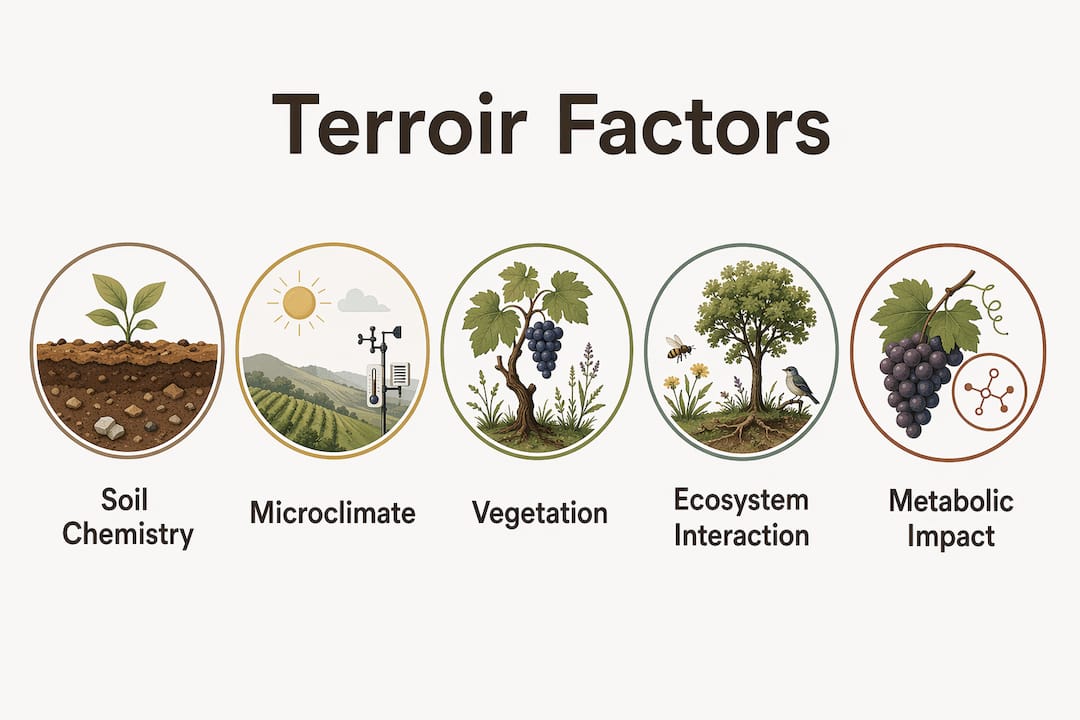
Terroir in mushroom cultivation is not a single variable. It is a layered system of physical, chemical, and biological conditions that collectively define a fungal habitat. Understanding each layer helps you predict how a strain will express itself before you ever see a fruiting body.
Soil Chemistry and Physical Properties
Soil is the most studied terroir variable in fungi. Soil mineral concentrations like potassium, iron, and nickel directly correlate with phenol and protein accumulation in mushroom tissue. That correlation means the ground a mushroom grows in is actively shaping its biochemistry. Beyond mineral content, the physical structure of the soil matters just as much. Research shows that a 70% peat ratio in casing soil significantly increases bacterial richness and fungal yield through enhanced nitrogen fixation. Physical soil properties, in other words, outperform nutrition levels alone when it comes to yield outcomes.
Microclimate Variables
- Temperature: Controls enzymatic activity and the rate of metabolite synthesis. Cooler temperatures slow biosynthesis; warmer conditions accelerate it, sometimes at the cost of compound stability.
- Humidity and soil moisture: Humidity and soil moisture are the strongest predictors of macrofungal presence, outranking nutrient content in field studies. Moisture availability determines whether a strain fruits at all.
- CO2 concentration: Elevated CO2 in enclosed grow spaces triggers elongated stipe growth and suppresses cap development. This is a direct phenotypic response to a single atmospheric variable.
- Light intensity: Acts as a directional cue for fruiting body orientation and can influence pigmentation and surface texture across strains.
Vegetation and Ecosystem Interactions
Macrofungal occurrence is shaped by combined microclimate, soil moisture, and vegetation structure. Vegetation creates canopy cover that regulates temperature swings and moisture retention. It also contributes organic carbon to the substrate through leaf litter and root exudates. These ecosystem-level inputs define the ecological niche a strain occupies, and that niche is the true unit of terroir.
How does terroir shape metabolic profiles and potency?
The biochemical output of a mushroom strain is not fixed at the genetic level. Fungal metabolic differentiation is driven primarily by ecological niche interactions rather than variation in biosynthetic pathway genes. That finding reframes how researchers should interpret potency differences between strains sourced from different regions or grow setups.
Soil minerals provide the clearest evidence of terroir’s biochemical reach. Total potassium, magnesium, sodium, iron, cobalt, and nickel each show positive correlations with phenolics, saponins, and protein content in mushroom tissue, while simultaneously inhibiting polysaccharide accumulation. The same mineral profile that boosts one class of compounds suppresses another. This is not random variation. It is a predictable, environment-driven trade-off in metabolic resource allocation.
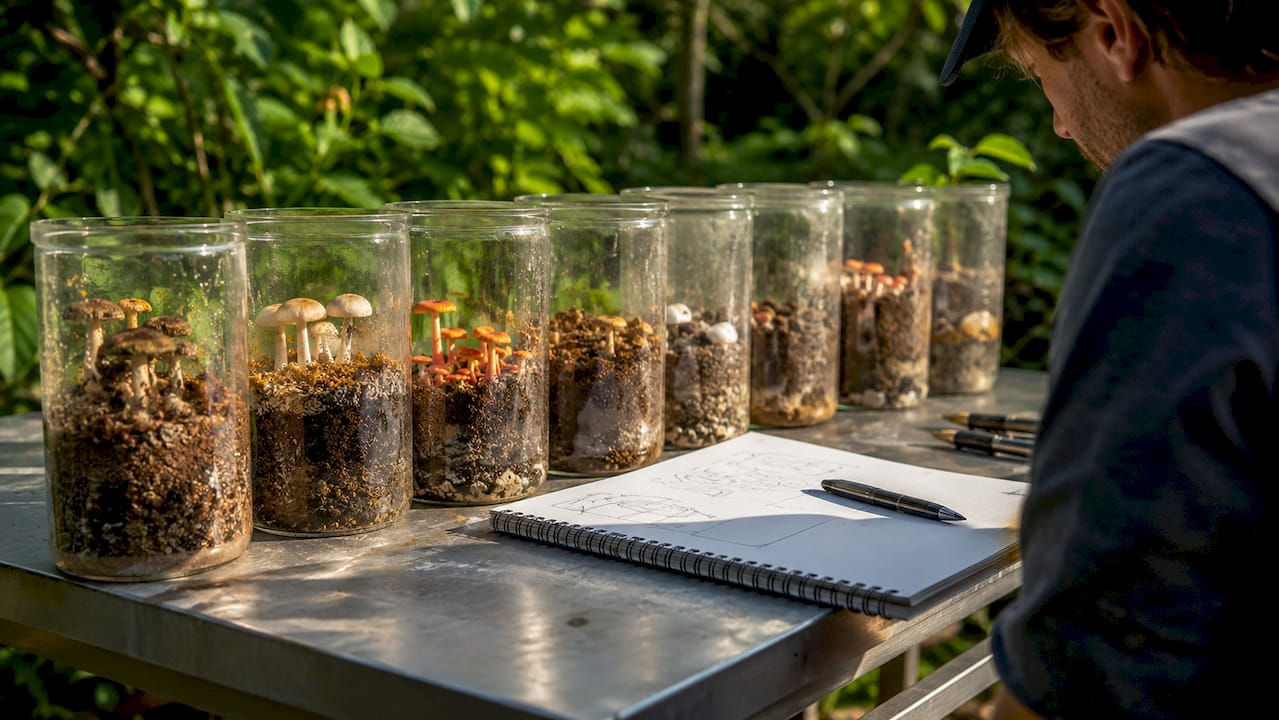
For psilocybin mushrooms specifically, alkaloid biosynthesis follows the same logic. The enzymatic steps that convert tryptophan into psilocybin are sensitive to temperature, substrate nitrogen content, and trace mineral availability. A strain grown in a substrate rich in iron and potassium will express a different alkaloid profile than the genetically identical strain grown in a low-mineral medium. Soil factors cause up to 5% variance in nutrient accumulation between caps and stalks within the same species across regions. That variance compounds across multiple environmental variables, producing the potency differences you observe between batches.
Understanding how terpenes and secondary metabolites interact with these soil-driven compounds adds another layer to the full picture of strain chemistry.
Pro Tip: If you are trying to replicate a specific potency profile, document your substrate mineral content at the start of each grow. Trace mineral variation between substrate batches is one of the most overlooked sources of inconsistency in psilocybin cultivation.
Genetic similarity vs. phenotypic diversity: what terroir explains
Many cultivators assume that different strain names mean different genetics. The science says otherwise. Here is how the genetic and phenotypic layers actually relate:
-
Near-identical genetics across commercial strains. Commercially marketed psilocybin strains often share near-identical genetic sequences. The names Golden Teacher, B+, and Penis Envy suggest distinct lineages, but genetic analysis shows far less divergence than the marketing implies. The visible differences you see are largely environmental outputs, not genetic ones.
-
Phenotypic plasticity as the primary driver. Environmental variables overshadow genetics in shaping mushroom phenotype. Cap color, stipe thickness, fruiting density, and potency all shift in response to temperature, humidity, CO2, and substrate composition. This is phenotypic plasticity, the ability of one genotype to produce different physical forms under different conditions.
-
Substrate as a terroir proxy in cultivation. In a controlled grow, substrate composition functions as the cultivator’s version of terroir. Brown rice flour, rye grain, and hardwood sawdust each deliver different mineral and nitrogen profiles to the mycelium. Those differences translate directly into variation in fruiting body morphology and metabolite content.
-
Gene expression, not mutation. Phenotypic changes reflect gene expression plasticity, not genetic mutation. When a cultivator switches substrates and sees a different phenotype, the DNA has not changed. The environment has changed which genes are active. This distinction matters enormously for anyone trying to study mushroom phenotype definitions with scientific rigor.
-
Liquid cultures preserve genetic lineages. Propagating via liquid culture preserves specific genotypes far more reliably than spore reproduction. Spores introduce genetic recombination and variability. Liquid cultures lock in the genotype, which means any remaining variation between batches is almost entirely terroir-driven.
What practical cultivation decisions follow from terroir research?
Knowing that environment shapes expression more than genetics does has direct consequences for how you design a grow. The following comparison shows how two common substrate approaches differ across key terroir variables:
| Variable | Rye Grain Substrate | Hardwood Sawdust Substrate |
|---|---|---|
| Nitrogen content | High | Moderate |
| Mineral density | Moderate | Lower, more variable |
| Moisture retention | Lower | Higher |
| Phenolic output | Elevated | Reduced |
| Best for | Fast colonization, dense flushes | Slower growth, complex metabolite profiles |
Adjusting Substrate for Targeted Metabolites
If your goal is higher phenolic content, soil and substrate research points toward mineral-rich formulations with elevated potassium and iron. If polysaccharide content is the target, lower mineral inputs produce better results. You cannot optimize for both simultaneously. That trade-off is a direct consequence of how terroir-level mineral profiles interact with metabolic resource allocation.
Managing Microclimate for Phenotype Control
Temperature and humidity are the two variables with the highest leverage over phenotypic outcomes. Holding temperature within a 2°F range during fruiting and maintaining relative humidity above 90% produces more consistent cap development than any substrate tweak alone. CO2 management matters most during pinning. Elevated CO2 at that stage produces elongated, thin-capped fruits regardless of substrate quality.
Pro Tip: Site selection for outdoor cultivation should prioritize locations with natural humidity retention, partial canopy cover, and organic-rich soil. These three conditions replicate the ecological niche where wild psilocybin species produce their most consistent expression.
A common pitfall is attributing all batch-to-batch variation to genetics. When you see potency and appearance differences between grows of the same strain, check your microclimate logs and substrate mineral content before concluding you have a different genetic line.
Key takeaways
Terroir shapes mushroom strain expression through soil chemistry, microclimate, and vegetation, with environmental factors consistently outweighing genetic potential in determining phenotype and metabolic output.
| Point | Details |
|---|---|
| Environment outweighs genetics | Phenotypic plasticity, not genetic divergence, explains most visible strain differences. |
| Soil minerals drive metabolite trade-offs | High potassium and iron boost phenolics and protein but suppress polysaccharides. |
| Commercial strains share near-identical DNA | Strain name differences reflect environmental expression, not deep genetic variance. |
| Microclimate is the highest-leverage variable | Temperature, humidity, and CO2 control phenotype more than substrate choice alone. |
| Liquid culture locks in genotype | Propagating via liquid culture isolates terroir as the primary source of batch variation. |
Terroir is the variable most cultivators are not measuring
Most of the conversation in psilocybin cultivation circles centers on genetics. Which strain is strongest? Which lineage is most stable? Those are reasonable questions, but they are the wrong starting point. After reviewing the research on ecological niche effects and metabolic differentiation, my honest read is that the field is about a decade behind where it should be on environmental controls.
The wine industry spent generations mapping terroir at the vineyard level. Mushroom cultivation, even at the research level, is still treating substrate as an afterthought and microclimate as a secondary concern. The multi-omics data showing that ecological niche shapes metabolic profiles more than gene sequence does should be the headline finding driving cultivation protocol design right now. It is not, and that gap is costing cultivators consistency and costing researchers reproducibility.
The most productive shift you can make, whether you are running a research grow or a personal cultivation setup, is to start treating your environment as the independent variable and your genetics as the constant. Document temperature, humidity, CO2, and substrate mineral content with the same rigor you apply to inoculation technique. The data you collect will tell you more about your strain’s behavior than any genetic sequencing report.
The future of psilocybin strain development is not in finding new genetics. It is in understanding how known genetics respond to precisely controlled environmental inputs. That is where the real differentiation lives.
— Juiced
Quality mushroom products informed by strain and environment
At Theelevatedremedies, sourcing is not an afterthought. Every dried mushroom, microdose capsule, and mushroom chocolate on the shelves at 1123 Broadway St in Ann Arbor is selected with potency consistency and strain quality in mind. The research on terroir and environmental influence is exactly why product sourcing and quality transparency matter. If you want to understand what you are working with at a deeper level, start with the Amanita muscaria guide on the Theelevatedremedies site. It covers the environmental and strain-level factors that shape this species and gives you a grounded baseline for comparing mushroom products by quality, not just by name.
FAQ
What is terroir in the context of mushroom strains?
Terroir in mushroom cultivation refers to the full set of environmental conditions, including soil chemistry, microclimate, moisture, and vegetation, that shape a strain’s phenotype and metabolic output. These factors collectively define the ecological niche where a strain expresses its specific traits.
Does terroir affect psilocybin potency in mushrooms?
Yes. Soil minerals like potassium and iron correlate directly with alkaloid and phenolic accumulation, and microclimate variables like temperature and humidity regulate the enzymatic steps in psilocybin biosynthesis. The same genotype grown under different environmental conditions will produce measurably different potency levels.
Are different psilocybin strain names actually genetically different?
Most commercially available psilocybin strains share near-identical genetic sequences. The visible and chemical differences between named strains are driven primarily by environmental expression and cultivation conditions, not deep genetic divergence.
How do cultivators use terroir knowledge to improve consistency?
Cultivators apply terroir principles by controlling substrate mineral content, maintaining tight temperature and humidity ranges, and managing CO2 levels during pinning. Documenting these variables across grows allows direct comparison of environmental inputs to phenotypic and potency outcomes.
What is the best way to preserve a mushroom strain’s genetic traits?
Liquid culture propagation preserves a specific genotype far more reliably than spore reproduction. With genetics held constant through liquid culture, any remaining batch-to-batch variation can be attributed directly to environmental and substrate differences.