TL;DR:
- A guided psilocybin therapy session lasts six to eight hours and involves preparation, dosing, and integration with trained facilitators. The experience typically begins within 30 to 60 minutes, peaks between 1.5 and 3 hours, and gradually resolves over several hours. Proper screening, preparation, and post-session integration are essential for safety and lasting therapeutic benefits.
A guided psilocybin therapy session runs as a full day commitment: the dosing portion alone lasts 6–8 hours, and from arrival to departure you should plan for 8–10 hours total. The experience moves through three distinct stages — preparation, dosing, and integration — with trained facilitators present throughout to hold a safe, non-directive container.
Quick timeline at a glance:
- Onset: within about half an hour to an hour after ingestion
- Peak: occurs roughly one and a half to three hours after ingestion, typically the most intense emotional and sensory period
- Resolution: gradual return to baseline over the next several hours
Day-of logistics checklist (TL;DR):
- Arrange a sober ride home before you arrive — do not drive after a dosing session
- Wear loose, comfortable clothing
- Confirm your integration plan with your facilitator in advance
Table of Contents
- What happens before the session: screening, intentions, and logistics
- Hour-by-hour dosing session timeline
- Common effects, challenging experiences, and safety considerations
- Integration: why what happens after the session matters most
- How clinical therapy differs from retreats and retail use
- Your day-of checklist: what to bring and how to arrive ready
- Key Takeaways
- The gap between what psilocybin promises and what actually matters
- Theelevatedremedies: Ann Arbor’s source for informed mushroom retail
- Research and clinical sources behind this guide
What happens before the session: screening, intentions, and logistics
Clinical-style preparation is the foundation of a safe mushroom therapy experience. Before any dosing occurs, you will go through an intake process that covers psychiatric history, current medications (especially SSRIs, MAOIs, and heart medications), and any personal or family history of psychotic disorders. Full disclosure is not optional — it directly determines whether a session is safe for you.
Beyond the medical screen, preparation sessions focus on building trust with your facilitator and setting clear intentions. You will discuss what brought you to therapy, what you hope to process, and what fears you carry into the experience. Clinical models treat preparation, dosing, and integration as equally essential stages, so this groundwork is not a formality.
Practical logistics matter too. Plan to arrive on time, complete any remaining paperwork, and eat a light meal two to three hours before dosing. Heavy food can worsen nausea during onset.
Pro Tip: If you are visiting a retail dispensary rather than a clinical program, share the same safety-relevant information you would with a clinician: current medications, any history of psychosis or mania, and known sensitivities. Staff cannot screen you medically, but they can help you choose an appropriate product and dose.
Hour-by-hour dosing session timeline
The dosing session runs 6–8 hours; the full day is 8–10 hours. Here is how it typically unfolds.
| Time window | What you may experience | Facilitator actions |
|---|---|---|
| Up to 1 hour | Mild nausea, body warmth, early visual shifts | Settles you in, adjusts music or lighting |
| 1 to 3 hours | Peak intensity with sensory amplification, time distortion, emotional release, possible ego dissolution | Non-directive presence, verbal grounding if distress arises |
| 3 to 6 hours | Gradual softening, reflection, emotional processing | Gentle check-ins, encourages journaling or rest |
| 6 to 8 hours | Return to baseline, light conversation, debrief | Guides initial integration reflection, arranges safe transport |
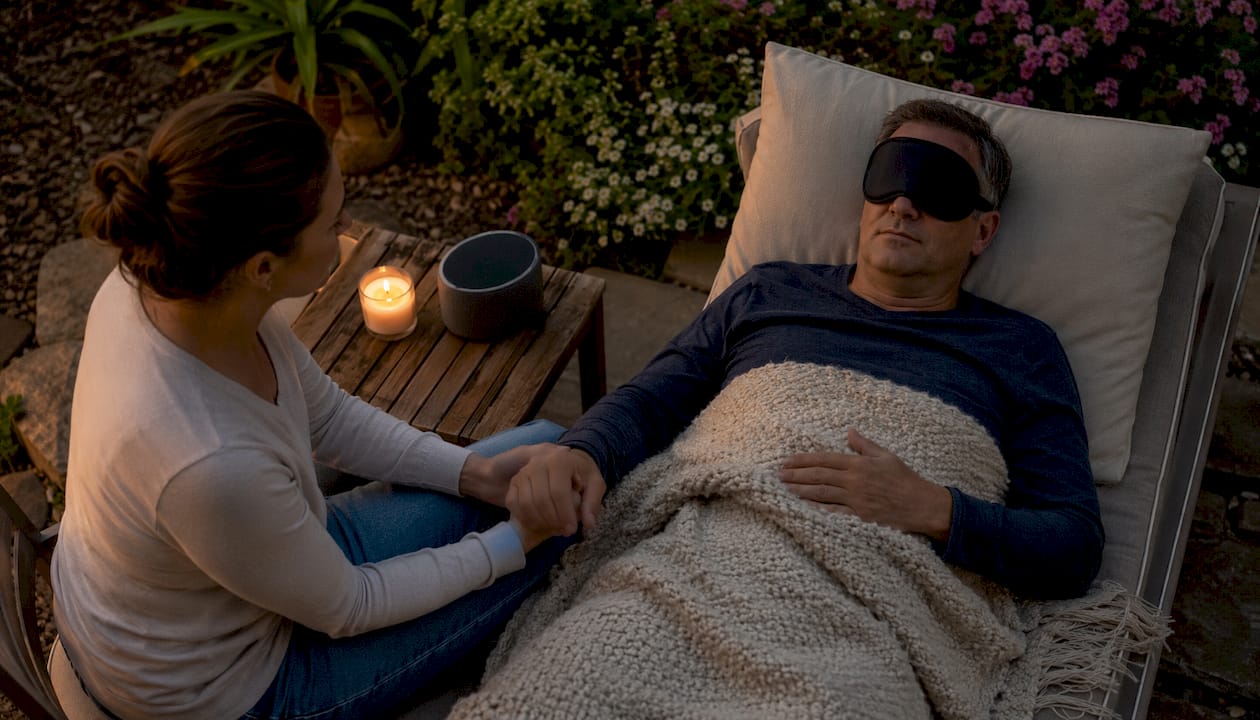
Most professional settings use dim lighting, curated music playlists, eye shades, and comfortable furniture to encourage inward focus. The facilitator’s role during peak is largely silent — present but not intrusive, watching for signs of distress without steering the experience.
Safety note: Psilocybin’s primary risk is psychological, not physiological. Blood pressure and heart rate may rise transiently, but clinical data from properly screened trials report no serious adverse events. Emergency measures exist for acute psychological distress; physical emergencies are rare.
Common effects, challenging experiences, and safety considerations
Expect a wide range of acute effects. Most are expected and transient; a few warrant attention.
Common effects during a session:
- Heightened sensory perception (colors, sounds, textures feel amplified)
- Altered sense of time — minutes can feel like hours
- Emotional catharsis: grief, joy, or long-suppressed memories surfacing
- Physical sensations: warmth, tingling, mild nausea early on
- Introspective insight or a sense of unity
Effects vary by dose, personality, expectations, setting, and concurrent medications. That variability is exactly why screening and a controlled setting matter.
The harder truth: challenging experiences are common and often therapeutically valuable. Panic, re-surfacing trauma, or a sense of losing control can occur. Facilitators are trained to hold these moments without suppressing them, encouraging surrender rather than resistance.
Who should not attend a high-dose session: anyone with a personal or family history of schizophrenia, psychosis, or unstable bipolar disorder; people currently taking SSRIs, MAOIs, or lithium without medical guidance; and those with uncontrolled cardiovascular conditions.
Pro Tip: Prepare mentally for discomfort before you arrive. Framing a difficult moment as material to engage with, rather than a crisis to escape, is one of the most consistent predictors of a productive session. Read Theelevatedremedies’ guide on psilocybin emotional processing before your session.
Integration: why what happens after the session matters most
Integration is the third stage of the therapeutic model, and skipping it is the most common reason people fail to hold onto their gains. It is the deliberate process of making sense of what surfaced during dosing and translating those insights into concrete behavioral change.
Johns Hopkins research found that symptom reductions from psilocybin-assisted therapy can persist from several weeks up to 12 months for some participants. Integration practices are a key reason those benefits extend rather than fade.
Practical post-session steps:
- Schedule at least one integration appointment within 48–72 hours of the session
- Journal immediately after: write what surfaced, what surprised you, what felt unresolved
- Identify one concrete behavioral change the session pointed toward
- Stay hydrated, rest fully, and keep the day after the session clear of obligations
- Reach out to a therapist or support person if difficult emotions persist beyond a few days
How clinical therapy differs from retreats and retail use
These are meaningfully different modalities, and conflating them creates unrealistic expectations.
Clinical psilocybin therapy involves multi-session preparation, a supervised 6–8 hour dosing session with a trained facilitator, formal screening, and structured integration therapy. It is designed for therapeutic outcomes in people with specific mental health conditions.
Retreat models vary widely. Some offer facilitator support and integration; others are primarily ceremonial. Screening rigor and follow-up quality differ significantly between programs.
Retail use (edibles and microdosing capsules) is a different category entirely. Microdosing is sub-perceptual — doses are intentionally low enough that you function normally. It is not a substitute for a guided high-dose session, but it can complement a wellness routine or serve as a lower-stakes entry point.
Legal callout: Psilocybin legality in the United States varies by jurisdiction. Oregon and Colorado have established regulated frameworks for supervised use; most other states have not. Michigan’s legal landscape is evolving. Check your local Michigan laws before purchasing or ingesting any psilocybin product.
Pro Tip: Retail edibles and microdosing capsules from a dispensary like Theelevatedremedies are best used with clear dosing information and a personal wellness intention. They are not clinical tools, but they can be used responsibly with the right preparation.
Your day-of checklist: what to bring and how to arrive ready
What to bring:
- Loose, comfortable clothing (layers recommended — body temperature fluctuates)
- Eye mask and headphones if your facilitator recommends them
- A journal and pen for the resolution phase
- Photo ID and emergency contact information
- Any prescribed medication information to disclose to staff
- A confirmed sober pickup arranged in advance
Dos and don’ts before you arrive:
- Eat a light meal 2–3 hours before, not a heavy one
- Avoid alcohol for at least 24 hours prior
- Follow any medication-pause instructions from your facilitator exactly
- Arrive on time — rushing raises baseline anxiety before dosing begins
Pro Tip: Put your phone on silent and hand it to your facilitator for safekeeping during the session. Notifications during peak can be genuinely disorienting. Keep it accessible only for emergencies. If you plan a microdosing regimen afterward, mushroom capsules with clearly labeled doses are the easiest format to track consistently.
Key Takeaways
A guided psilocybin session requires a full day, trained facilitation, and a committed integration plan to convert acute insights into lasting change.
| Point | Details |
|---|---|
| Session length | Dosing lasts about six to eight hours; expect a total of eight to ten hours including arrival and departure. |
| Three-stage model | Preparation, dosing, and integration are all essential stages to maximize therapeutic outcomes. |
| Onset and peak windows | Effects generally begin within 30 to 60 minutes; peak intensity lasts roughly 1.5 to 3 hours; and resolution takes a few hours afterward. |
| Primary risk is psychological | Careful screening of psychiatric history and medication use is critical to ensuring safety. |
| Theelevatedremedies | Offers microdosing capsules and edibles as retail products, distinct from clinical therapy and best used with clear dosing and personal intention. |
The gap between what psilocybin promises and what actually matters
The clinical research is genuinely exciting. Johns Hopkins and other major centers have documented rapid, durable symptom reductions in conditions that resist conventional treatment. That is real. But the popular narrative around psilocybin has outrun the evidence in one specific way: people treat the dosing session as the intervention, when the preparation and integration surrounding it are equally responsible for outcomes.
A session without integration is like surgery without rehabilitation. The acute experience opens a window; integration is the work you do while it is open. Retail products — microdosing capsules, measured edibles — fit into this picture as complementary tools, not shortcuts to the same result. Theelevatedremedies takes that distinction seriously, which is why education sits alongside every product.
If you are considering a therapy-grade session, consult a trained clinician. If you are exploring microdosing or low-dose edibles, use them with intention, clear dosing, and honest self-monitoring.
Theelevatedremedies: Ann Arbor’s source for informed mushroom retail
Retail mushroom products and clinical psilocybin therapy serve different purposes, and Theelevatedremedies is built around the retail side done right. At 1123 Broadway St in Ann Arbor, the dispensary carries Amanita muscaria gummies, microdosing capsules, and mushroom chocolates sourced for consistency and clear dosing — the kind of product information that makes responsible self-directed use actually possible.
The team also publishes practical education on preparing for high-potency experiences so you arrive at any session, clinical or personal, with realistic expectations. Before you purchase, confirm that your local Michigan jurisdiction permits the product you are considering. Stop by the store or browse online to find the right format and dose for where you are in your exploration.
Research and clinical sources behind this guide
The timelines, safety protocols, and therapeutic framework in this article draw from the following sources. Each is worth reading directly if you want to go deeper.
- University of Cambridge psychedelic therapy guide — practical overview of session structure and duration used widely in clinical education.
- PMC clinical literature on psilocybin administration — peer-reviewed source for pharmacological timelines, risk profiles, and the three-stage therapeutic model.
- Johns Hopkins Center for Psychedelic and Consciousness Research — the leading U.S. research center for psilocybin-assisted therapy outcomes.
- NCCIH (NIH) psilocybin overview — public health summary of effects, risks, and the role of set and setting.
- Cleveland Clinic psychedelic-assisted therapy overview — clinical guidance including post-session transport safety.
This article is general educational information, not medical or legal advice. Confirm current rules in your jurisdiction and consult a qualified clinician before pursuing any psilocybin-assisted therapy.
Recommended
- Step-by-Step Mushroom Effects Workflow for Michigan Microdosing – Elevated Remedies
- Preparing for a High Potency Mushroom Experience – Elevated Remedies
- Top magic mushroom wellness tips for safe, effective use – Elevated Remedies
- Magic Mushrooms Explained: Science, Safety & Wellness Guide – Elevated Remedies